REVIEW · MILAN
Sato Code Escape Room across Milan
Book on Viator →Operated by Sato Code · Bookable on Viator
Milan, solved with clues on your phone. This city-wide escape room game is built for puzzle fans and gives you a fun reason to walk through Milan’s canals and alleyways instead of just passing them by. I like how the Sato Code App splits information between teammates, so you actually need to work together to move forward.
A big consideration: you are locked into your devices. You need a charged smartphone and internet on every phone, so bring a hotspot plan and don’t wander in with low battery.
The route starts at Porta Genova, heads through Navigli (canals plus narrow lanes), and works toward Piazza Sant’Eustorgio as part of the storyline FR13ND, before you wrap back at the meeting point.
In This Review
- Key things to know before you play
- Why this “escape room across Milan” feels different
- Porta Genova start: where you begin and why it matters
- Navigli on foot: canals and narrow alleys as part of the puzzle
- Piazza Sant’Eustorgio: the storyline waypoint
- How the Sato Code App team game works
- Difficulty and who this fits best (age 16+)
- Duration, pacing, and what “about 1 hour” really means
- Price and value: what $14.45 buys you
- Booking ahead and planning around peak times
- Practical tips to make your game run smoothly
- Should you book Sato Code Escape Room in Milan?
- FAQ
- Where does the escape room start and end?
- How long does the Sato Code Escape Room across Milan take?
- Is the experience offered in English?
- How many people do you need to play, and do you need smartphones?
- Do both phones need internet?
- Can I cancel for free?
Key things to know before you play

- Phone teamwork: at least 2 players, and each person needs their own smartphone
- Sato Code App does the heavy lifting: different info goes to each player
- You walk Milan, not a single room: Porta Genova → Navigli alleys and canals → Piazza Sant’Eustorgio
- Built for adults (age 16+): recommended difficulty means you should plan for active participation
- Internet is required: every phone must have a connection, or you’ll need a hotspot
- Pace is flexible: you can treat it like a quick run or a slower stroll and still enjoy it
Why this “escape room across Milan” feels different
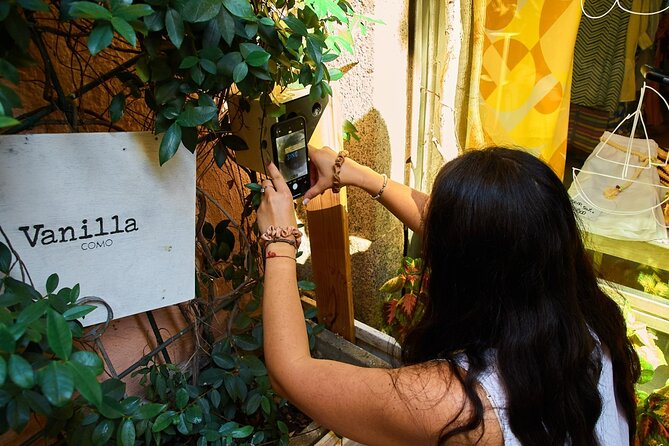
Classic escape rooms trap you in one place. This one does the opposite. The game is designed as an escape room experience across Milan, which means the city itself becomes part of the puzzle. You’re not just reading clues—you’re walking Milan’s real streets, following the app’s instructions, and linking your team’s pieces together as you go.
What I like most is that it acts like a living scavenger hunt with tension and problem-solving baked in. You get movement, focus, and that small thrill of racing the clock, but you’re also naturally seeing parts of Milan you might otherwise skip. The other win is that it’s explicitly set up for teams. With the Sato Code App sharing different information to each person, you’re not standing around waiting for one brain to solve everything.
The drawback is the tech dependency. If your phone dies or the connection drops, the game can become frustrating fast. For a walk that can stretch into about 1 hour (and in at least one case ran longer), you really want dependable battery and connectivity.
You can also read our reviews of more tours and experiences in Milan.



Porta Genova start: where you begin and why it matters
The meeting point is Porta Genova, and the activity ends back at the same spot. That matters because it makes the experience feel like a self-contained mini mission: you’re not taking a taxi across town just to start and then getting stranded on the far side.
Starting at Porta Genova also sets you up for a smooth transition into the rest of the route. You’ll be on foot right away, which is part of the charm. It’s not a “sit down, solve, leave” format. You’ll be actively moving, using the app and clues as prompts, and treating the walk as part of the challenge.
Practical tip: plan to arrive with shoes you can walk in comfortably. The activity includes walking through lanes and canal areas. It’s not described as extreme, but it does call for moderate physical fitness and comfortable footwear.
Navigli on foot: canals and narrow alleys as part of the puzzle
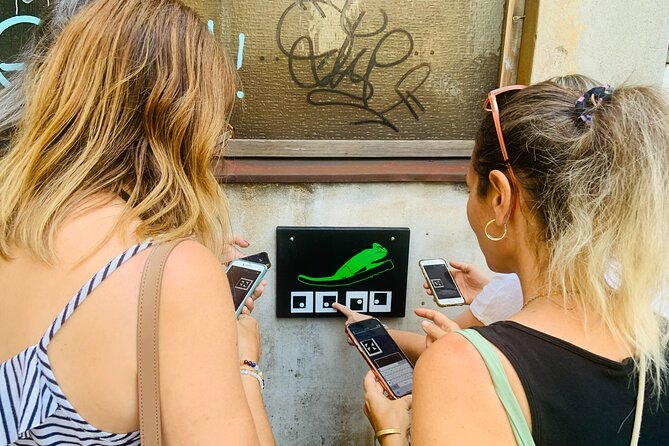
From the start, the route goes along canals and through the alleys of Navigli. This is the heart of why the experience gets such a strong reaction. Navigli is the kind of area where a normal stroll can feel enjoyable, but an added mission makes it better. You’re not just looking around—you’re scanning, matching, and collaborating in real time.
Also, the game doesn’t force one frantic style. One review highlighted that you can go running or you can enjoy it more slowly, and they still had a blast. That flexibility is important. If you’re on vacation and you don’t want your day hijacked by a stressful timed sprint, you can pace it like a fun walk while still playing properly.
What to watch for in Navigli: with narrow alleys and canal-side paths, your momentum will matter more than you think. If you and your teammate split up because you’re trying to solve separate bits, you’ll want to stay coordinated. The app hands out different information per person, so you’ll likely find yourselves taking quick side checks and short stops rather than long, wandering detours.
Piazza Sant’Eustorgio: the storyline waypoint
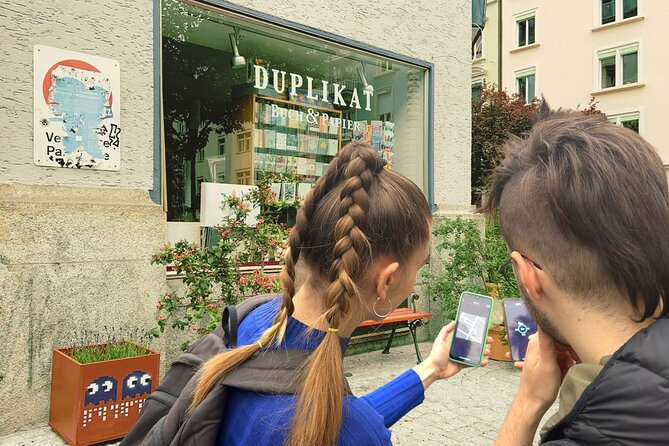
As you work your way forward, the route heads toward Piazza Sant’Eustorgio. Even though this escape room is not framed as a history tour, this city stopping point gives the game a clear sense of direction. You’re building toward something instead of bouncing randomly around.
The storyline is called FR13ND, and it’s designed to capture the feel of Milan without turning the whole experience into a lecture. For me, that’s part of the value. You get a narrative thread that keeps the puzzles fun, while you still get to experience Milan’s streets directly.
Possible consideration: if you’re the kind of player who loves stopping for photos every five minutes, the game may nudge you to move more deliberately. Since this is puzzle-driven, you’ll probably want to keep your phone time focused on the app and clue flow rather than a pure sightseeing break.
How the Sato Code App team game works
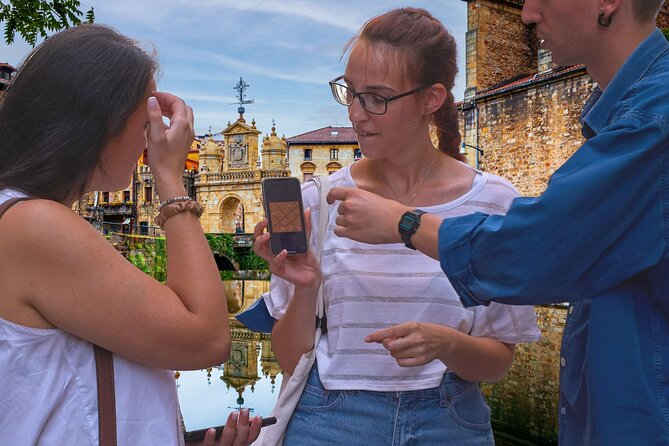
This is a team game with a clear requirement: minimum 2 participants, and each person needs one smartphone. The Sato Code App gives each player different information, which means the solution isn’t something you can brute-force alone. You’ll need to put your team’s bits together.
Here’s the key reason this design works well: it forces communication. Instead of one person reading everything, both players stay engaged. You’ll likely rotate who’s interpreting clues, confirming puzzle logic, and checking what the other teammate just received.
A must-do: download the Sato Code App before you meet. You’re also told to make sure every phone has internet access during the game. If only one phone has internet, you can use your hotspot—so the easiest solution is to make sure at least one person has a working connection and the other can piggyback.
Also plan for the basics: keep phones charged. The rules explicitly mention charged smartphones, and that’s not a throwaway detail. With puzzles, time pressure, and app updates, low battery is one of those travel annoyances that can quietly ruin a fun plan.




Difficulty and who this fits best (age 16+)
This experience is designed for adults. It’s recommended for ages 16+ because of the difficulty level. That doesn’t mean younger teens can’t participate at all, but if you’re traveling with kids, you should expect the puzzles to be challenging.
For families: if your kids are already into escape rooms and like problem-solving, they can likely handle it with support. But the guidance says it’s not recommended for children under 16 unaccompanied—so have a plan for supervision and teamwork.
For adults: this format is ideal if you want something active and social that still feels structured. It’s also a nice contrast to a typical Milan day where you mostly watch, walk, and read placards. Here, your brain is part of the itinerary.
Duration, pacing, and what “about 1 hour” really means

The listed duration is about 1 hour, but it’s smart to leave room for real-world pace. One review mentioned a longer experience (about 1h30), which makes sense with puzzle games that can slow down if you’re stuck or if you’re moving carefully through tighter streets.
To make the time work for your day:
- Don’t schedule it as the last thing before a hard deadline (like a train you must catch).
- Treat the game like a walking activity with stops, not like a quick ticket event.
- If you’re prone to phone battery anxiety, charge fully before you go.
The hours are wide—open daily from 8:00 AM to 11:30 PM—so you can choose a time that matches your energy level. Evening can be fun in Milan, but the key is still: you want good lighting and a relaxed pace so you can concentrate on the clues.
Price and value: what $14.45 buys you
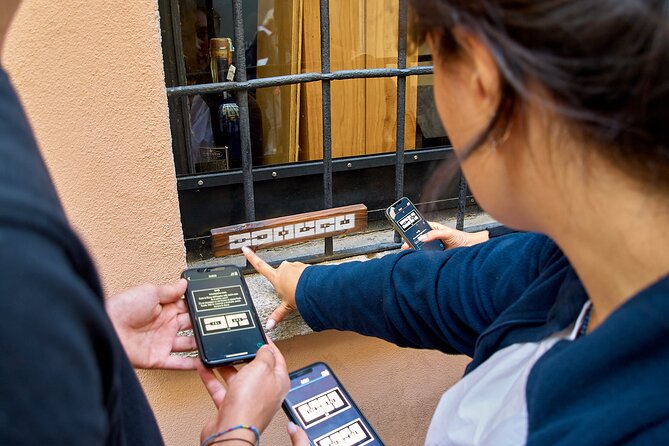
The price is $14.45 per person. For that, you get a guided-by-app puzzle game, a storyline (FR13ND), and a city walk that connects multiple areas—Porta Genova, Navigli canals and alleys, and a route toward Piazza Sant’Eustorgio. You’re also not paying for a long guide-heavy lecture. This is mostly about the game system, the app experience, and the teamwork.
The best value angle is that it can turn a neighborhood visit into something more memorable. If you’re already planning to spend time near Navigli, this gives your time a purpose. Instead of “let’s wander,” it becomes “let’s solve.”
The cost is also easier to justify because the team requirement is simple: at least 2 players, and you each need a smartphone. It’s not described as requiring extra gear beyond the app and connectivity.
Where you should be careful about value: if you show up without internet on both phones or with a low battery, you might burn time troubleshooting instead of playing. That kind of friction turns a good deal into a stressful one.
Booking ahead and planning around peak times
On average, this is booked about 9 days in advance. That suggests you’re more likely to get the time slot you want if you reserve early. Since the schedule runs from early morning to late night, availability might still be decent, but I’d still aim to lock it in ahead of your day in Milan—especially if you’re traveling during a busier season or you have only one day you can play.
You’ll receive tickets by SMS, and the booking includes confirmation at the time of booking. So it’s built for a low-friction arrival: once you have the confirmation, you can focus on charging your phone and getting to Porta Genova.
If plans change, the cancellation terms are flexible enough to plan with confidence: free cancellation is offered if you cancel at least 24 hours in advance.
Practical tips to make your game run smoothly
If you want your escape-room walk to feel fun instead of tech-stressful, these are the moves that matter:
- Bring charged phones. It’s explicitly required, and it affects the whole experience.
- Make sure both phones have internet. If not, set up a hotspot plan before you start.
- Download the Sato Code App ahead of time. Don’t do it on the fly at Porta Genova.
- Wear comfortable shoes. The route includes canals, alleys, and general walking around.
- Pick a teamwork style. If you like splitting tasks, this app design supports it, since each phone gets different information.
- Give yourself a time cushion. “About 1 hour” can run longer when the puzzles slow the group down.
One more helpful mindset: don’t treat it like an IQ test. Treat it like a group game. The app hands you partial info—your job is to compare, connect, and keep moving.
Should you book Sato Code Escape Room in Milan?
Book it if you want a playful, phone-based challenge that turns Navigli into an actual activity route. I’d especially recommend it if you like escape rooms, you enjoy teamwork, and you want something active that still feels modern and easy to fit into a day.
Skip it (or rethink the timing) if your group hates app-based games, you’re arriving with shaky phone battery, or you don’t want to depend on internet on two devices. Since the rules require connectivity on every phone, this is not the kind of experience where you can shrug and improvise.
If you fit the basics—two people, charged phones, good connectivity, and a willingness to walk—this is a strong value way to experience Milan beyond the usual checklists.
FAQ
Where does the escape room start and end?
It starts at Porta Genova, Milan, and ends back at the same meeting point.
How long does the Sato Code Escape Room across Milan take?
The duration is about 1 hour.
Is the experience offered in English?
Yes, it’s offered in English.
How many people do you need to play, and do you need smartphones?
You need a minimum of 2 participants, and it’s required that each participant has one smartphone.
Do both phones need internet?
Yes. Internet is required on every phone. If only one phone has internet, you should use your hotspot.
Can I cancel for free?
Yes. Free cancellation is available if you cancel up to 24 hours in advance for a full refund.