REVIEW · MILAN
Milan Duomo, Sforza Castle and Pieta Guided Tour with Tickets
Book on Viator →Operated by Walks In Europe · Bookable on Viator
Milan’s Duomo is a feast for the eyes. This small-group guided tour pairs skip-the-line Duomo tickets with time at Sforza Castle, including the Pietà by Michaelangelo, plus a walking pass through key sights like La Scala and Palazzo Marino. I like that the pace stays relaxed for a 3-hour loop, and I like that the guide connects what you see to what Milan was building and showing off.
One watch-out: the experience runs on timed entry, so you really do need to arrive 15 minutes early. If you’re late, the tickets can be missed, and the Duomo can also have unforeseen closures tied to liturgical events.
In This Review
- Key takeaways before you go
- Milan in three hours, without the normal line headaches
- Entering the Duomo di Milano with skip-the-line tickets
- Piazza della Scala and the short walk that adds context
- Castello Sforzesco courtyards: a calmer Milan pause
- Inside the Sforza Castle Museum: the Pietà by Michaelangelo
- Small-group pacing, headsets, and why it helps
- Price and value: what your $62.23 buys you
- Logistics that can make or break your morning
- Who this tour is best for (and who should pick another option)
- Should you book this Milan Duomo and Sforza guided tour?
- FAQ
- How long is the Milan Duomo, Sforza Castle and Pietà guided tour?
- Where does the tour start?
- Is it a small group tour?
- Are tickets included for the Duomo and Sforza Castle?
- Do I need to arrive early?
- Are there dress code or security rules for the Duomo?
Key takeaways before you go
- Skip-the-line Duomo entry saves real time for one of Italy’s biggest churches
- Max 8 travelers keeps questions easy, not stressful
- Sforza Castle courtyards + museum interior means you see both the vibe and the art
- Headsets help if your group is over 4 people, so you don’t strain to hear the guide
- Pietà by Michaelangelo is the star stop inside Sforza Castle
- Dress and silence rules matter in the cathedral, so plan your outfit and your volume
Milan in three hours, without the normal line headaches
If you only have a short stretch in Milan, this tour is built like a smart shortcut. You hit two of the city’s heaviest hitters—the Duomo and Sforza Castle—then you get a guided walk through the central lanes that make Milan feel like Milan: elegant streets, major landmarks, and just enough explanation to turn photos into memories.
The value here is simple. You’re paying for guided time plus timed, skip-the-line tickets to both the Duomo and the Sforza Castle interior visit. Add a small group size (maximum 8) and you end up with something that feels social but still efficient.
You can also read our reviews of more tours and experiences in Milan

Entering the Duomo di Milano with skip-the-line tickets
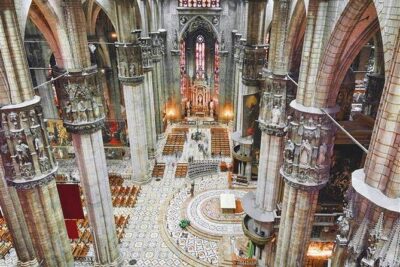
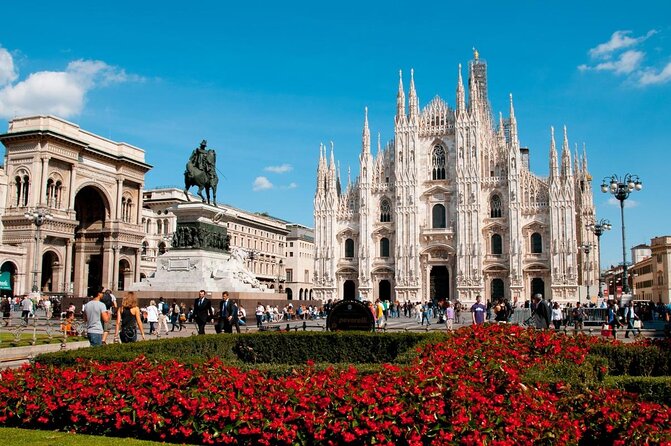
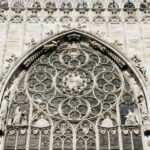
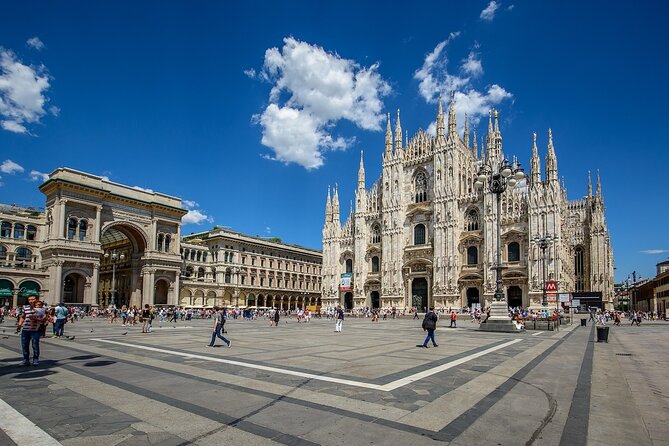
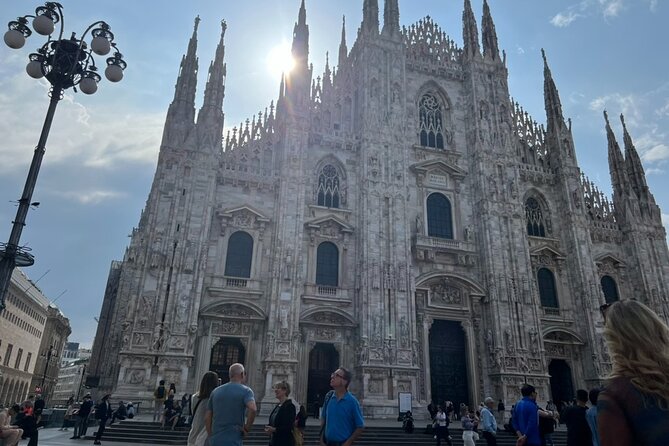
The Duomo (Cathedral of Santa Maria Nascente) is officially the largest in Italy, and it shows. The tour focuses on what makes it visually addictive: the white-and-pink Candoglia marble, the forest of pinnacles, and the sculptures and stained-glass details that feel almost endless.
One thing I really like about this kind of Duomo tour is that it’s not only about staring upward. Your guide shares the church’s story as a monumental project—Milan’s famous “never-ending factory”—so the building stops feeling like a one-day wonder and starts feeling like a long-running city obsession.
You’ll also see mosaics, statues, and stained glass during the guided visit. That’s the difference between a quick look and an actually satisfying visit: you know what you’re looking at, and you notice more because your guide points out the visual rules and themes.
Practical consideration: if the Duomo has a liturgical celebration, closures can happen. In that case, your guide will explain things from outside. It’s not the same as being inside, but at least you won’t be left guessing.
Piazza della Scala and the short walk that adds context
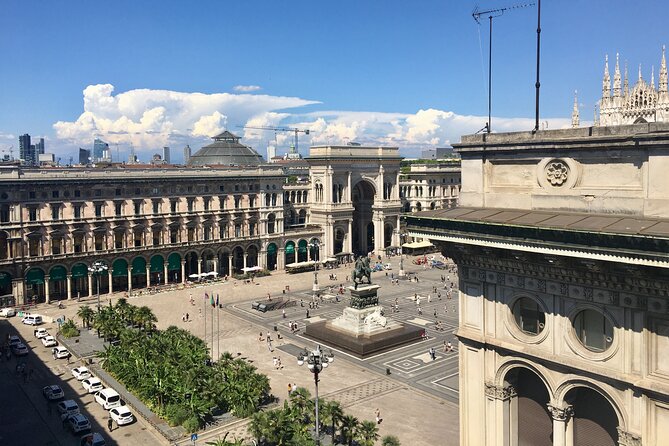
After the Duomo, you shift from Gothic cathedral energy into Milan’s city-center rhythm. You pass through Galleria Vittorio Emanuele II, that glass-roof shopping arcade that looks like it belongs in a film set. Even if you’re not shopping, it’s a great way to move through the city with style.
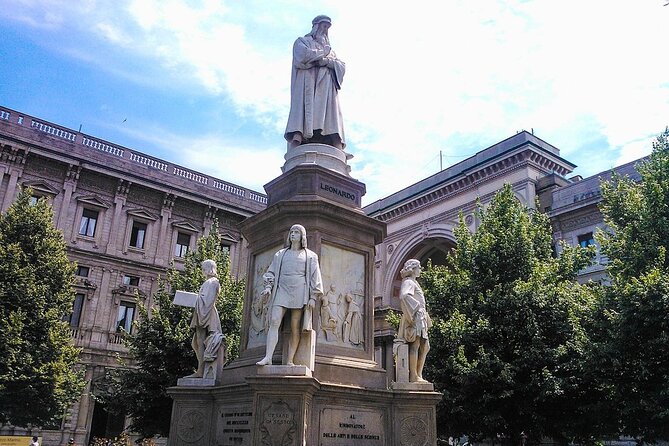
Then you head toward Piazza della Scala, where the tour gives you a guided glance at major anchors: the La Scala Opera House, the statue of Leonardo da Vinci, and Palazzo Marino, Milan’s City Hall. You also get a chance to understand how these landmarks relate to the city’s power and identity—cultural prestige, government presence, and the arts all packed into one area.
This portion is shorter (about 30 minutes), so I’d treat it like orientation with good storytelling. It helps your next stop—Sforza Castle—make more sense, because Milan isn’t just “pretty buildings.” It’s a timeline in stone.
Castello Sforzesco courtyards: a calmer Milan pause
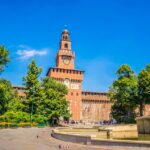
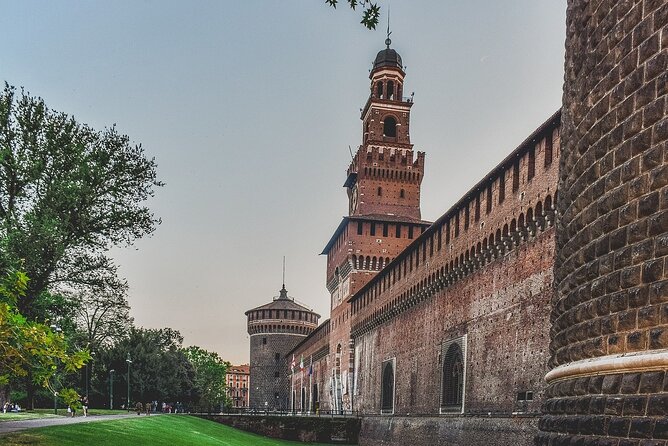
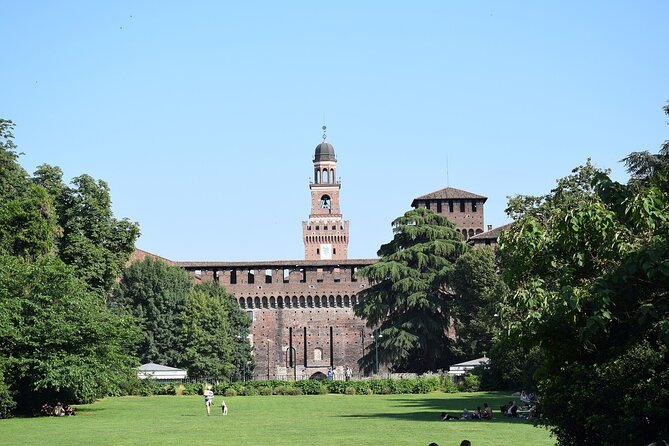
Sforza Castle is sometimes approached like a single museum stop. Here, you start in the courtyards, which is a smart move. Courtyards are where you feel the space: you see how a fortress layout works, how people would move, and how the castle reads as a Renaissance-era power symbol rather than just a pile of rooms.
You’ll walk through the tranquil streets behind the Opera House to reach the courtyards. Once inside, your guide shares stories and anecdotes connected to Renaissance architecture and the influential ducal family tied to the castle.
What I like most about beginning here is that it sets the tone before you go into the museum spaces. You get a visual “warm-up” so the interior galleries feel less like random halls and more like a place with purpose.
Inside the Sforza Castle Museum: the Pietà by Michaelangelo
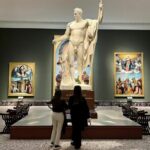
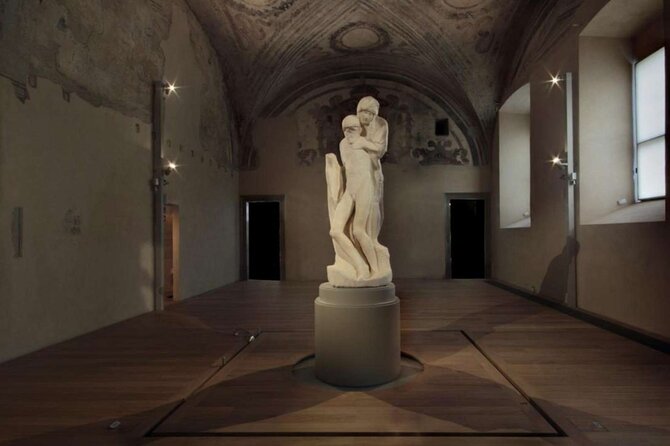
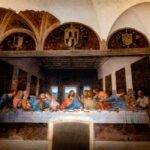
The highlight for many people is the Pietà by Michaelangelo—one of the most famous sculptures in the world. In Sforza Castle, it’s not just a check-the-box stop. A guided visit helps you understand why the piece matters and how it fits within the broader story of art collecting and display in Renaissance court life.
Your tour includes the interior visit with skip-the-line tickets for the Sforza Castle Museum. That matters because museum entry often means waiting, and waiting is the fastest way to shrink your time in Milan.
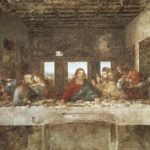
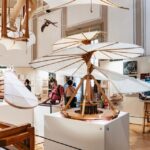
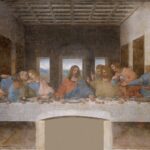
You also learn about the castle as a transformed fortress turned museum—three inner courtyards in the mix, plus the story of the Renaissance ducal family and Leonardo da Vinci’s connection to the broader cultural atmosphere. Even if you’re not a hardcore art-history person, you’ll likely find this is the section where the guide’s explanations make the rooms feel more alive.
One review note that matches what I’d expect from the best-guided museum visits: the guides were described as enthusiastic and professional, and people said questions were easy to ask. That’s what you want for a cathedral-and-castle combo—strong guide energy that keeps it interesting without rushing you.
You can also read our reviews of more guided tours in Milan


Small-group pacing, headsets, and why it helps
This is a 3-hour walking tour at a relaxed pace. It’s not a sprint, and that matters when one stop is an enormous cathedral and the next is a museum building with multiple layers of detail.
Your group size is capped at 8 travelers, which usually means you won’t be stuck behind a crowd of strangers. It also makes the guide’s pacing more human—questions come up naturally, and you’re not stuck listening from the back.
If your group is bigger than 4 people, you’ll get headsets. That little detail sounds technical, but it’s practical: Milan is loud in places, and cathedral stone can bounce sound. Headsets keep you from missing the good stuff.
Group dynamic: one reviewer mentioned a small group of six, and said it was easy to ask questions. Another praised their guide as friendly, knowledgeable, and very enthusiastic. Names showed up in feedback too—Lara, Katerina, and Catarina—and those names came up as the reason the tour felt memorable. That’s a strong sign the quality here is tied to the guide, not just the sites.
Price and value: what your $62.23 buys you
At about $62.23 per person, this tour isn’t the cheapest way to see Milan, but it’s not just a markup for walking. You’re paying for three concrete things:
- Skip-the-line Duomo tickets, timed for entry
- Skip-the-line interior access for the Sforza Castle Museum
- Expert local guidance plus a small-group format (max 8) and headsets if needed
If you tried to do Duomo + Sforza on your own, you’d likely spend time handling timed entry and figuring out the best order. Here, the structure is done for you, and the guide adds the “why” behind what you’re seeing.
Worth noting: transport to the meeting point isn’t included. The tour ends back at the meeting point, so plan your day accordingly.
Logistics that can make or break your morning
This tour uses timed tickets, and they expire within about 5 to 10 minutes. You’re asked to arrive at the meeting point 15 minutes early, and you can’t join after the tour starts. That’s not dramatic, but it’s real.
The meeting point is at Galleria Vittorio Emanuele II (20123 Milan). It’s central, so reaching it is usually manageable, but you still need to build in time for getting there and getting your bearings.
Inside the Duomo, you’ll need to follow strict rules:
- Respectful clothing is required (no bare-backed or low-cut outfits, shorts, miniskirts, or hats)
- No hats inside the cathedral
- Keep silence in the prayer areas and speak softly
- Don’t bring potentially dangerous items (examples given include helmets and glass items)
- Avoid large bulky bags if possible
If you like wandering with a large daypack, swap to something smaller. You’ll thank yourself before you reach the security checks.
Who this tour is best for (and who should pick another option)
I’d book this tour if you want a guided, high-impact plan without sacrificing your sanity. It’s ideal for first-timers who want the Duomo and Sforza Castle on the same schedule, plus an easy walk through major landmarks like La Scala and Palazzo Marino.
It also suits people who dislike waiting in lines and who prefer a guide to translate big sites into something you actually remember.
You might choose a different approach if:
- You’re flexible on timing and don’t mind self-guiding
- You want more time alone inside the Duomo or museum (this is still a guided, 3-hour loop)
- You’re worried about dress-code compliance and plan to wear very casual summer clothes
Should you book this Milan Duomo and Sforza guided tour?
If your goal is maximum Milan in a limited time, I think this is a strong choice. The biggest reason is straightforward: you get guided storytelling plus timed, skip-the-line access to two major attractions. That combo is where your time turns into value.
The only real reason to hesitate is if you’re likely to be late or you’re traveling in a way that makes timed entry risky. If you can show up on time and dress respectfully for the cathedral, you’ll likely feel like you got more than your money’s worth.
Go in expecting a guided walk with clear stops, not a slow personal meander. If you like structure—especially in Italy’s biggest-ticket places—this plan fits.
FAQ
How long is the Milan Duomo, Sforza Castle and Pietà guided tour?
The tour lasts about 3 hours.
Where does the tour start?
The meeting point is at Galleria Vittorio Emanuele II, 20123 Milan.
Is it a small group tour?
Yes. The tour has a maximum of 8 travelers.
Are tickets included for the Duomo and Sforza Castle?
Yes. The tour includes skip-the-line tickets for the Duomo and skip-the-line tickets for the Sforza Castle Museum interior visit. Courtyard access is also included.
Do I need to arrive early?
Yes. You must arrive at the meeting point 15 minutes before the start time because entry is timed. Tickets expire within 5 to 10 minutes, and you can’t join after the tour starts.
Are there dress code or security rules for the Duomo?
Yes. You’re asked to dress respectfully (no bare-backed or low-cut clothing, shorts, miniskirts, or hats inside the cathedral) and to avoid prohibited items such as helmets, glass items, and potentially dangerous objects. You should also keep quiet in prayer areas.