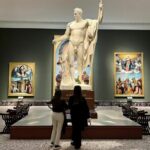
REVIEW · MILAN
La Scala Theatre and Museum Tour in Milan With Private Guide
Book on Viator →Operated by Zani Viaggi · Bookable on Viator
La Scala hits you fast. In about an hour, you get a guided walk through the Teatro alla Scala museum and—when conditions allow—a real look at the theatre space from the boxes. I like this format because it turns a famous opera house into tangible stuff: instruments, stage props, costume history, and portraits of major composers and performers. The other big win is the licensed guide, who connects what you see to how productions work, not just names on plaques.
One thing to weigh: your actual time inside the auditorium can be limited by rehearsals or shows. The tour says the auditorium visit is guaranteed unless a rehearsal or show is in progress; if that happens, you may only get a brief view from the viewing areas, and you could receive a voucher for another date (no refund is guaranteed in that scenario).
In This Review
- Key Things to Know Before You Go
- What You Actually Get at La Scala in About an Hour
- The Museum Side: Costumes, Instruments, and Composer Portraits
- Teatro Alla Scala Auditorium: Boxes, Pit, Stage, and the Rehearsal Twist
- How the Theater Viewing Timing Works (and Why Delays Matter)
- Guide Style, Headsets, and Crowd Reality
- Price and Value: $47.63 for a Theatre-Plus-Museum Primer
- Who This Tour Suits Best (and Who Might Feel Disappointed)
- Should You Book This La Scala Theatre and Museum Tour?
- FAQ
- FAQ
- How long is the La Scala theatre and museum tour?
- What language is the tour offered in?
- What’s included in the price?
- Is a mobile ticket provided?
- Will I definitely be able to see the auditorium?
- How many people are in a group?
- What is the cancellation window for a full refund?
Key Things to Know Before You Go
- You’ll spend most of the time in the museum: costumes, instruments, portraits, and production artifacts drive the experience.
- Auditorium access depends on rehearsals: lights and access can change day to day while the opera house is active.
- Group size caps at 25: even with a guide, plan for a shared timeline and space.
- Headsets can make or break it: some visits have had sound issues, so you’ll want to position where you can hear clearly.
- Expect tight rooms: overlapping groups can make museum corridors warm and crowded.
- One practical tip matters: there’s just one bathroom and it’s on the third floor.
What You Actually Get at La Scala in About an Hour
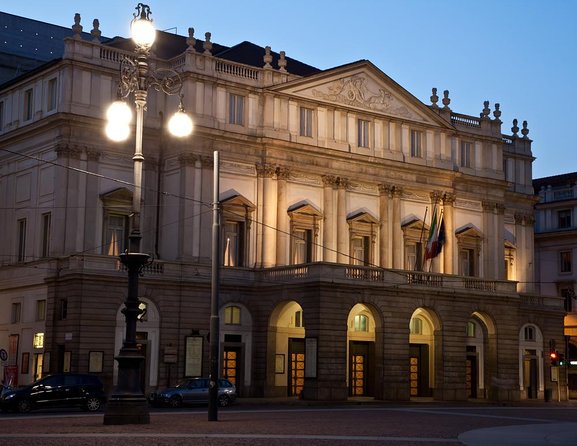
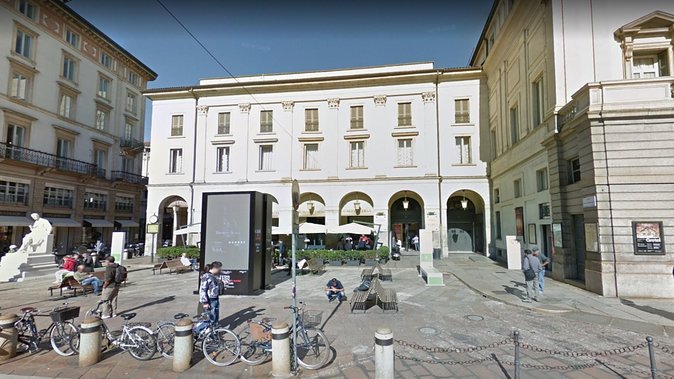
This is a compact introduction to La Scala that’s built around two realities: the building is an active theatre, and the museum is the main “set piece” of the tour. You start at the Teatro alla Scala Museum at Largo Antonio Ghiringhelli, 1, 20121 Milan. You’ll move through the foyer areas and then into the theatre viewing points, with the museum and collection information forming the bulk of the hour.
At $47.63 per person for roughly an hour, the value is mostly in the guide’s storytelling plus included entrance. If you want to understand why La Scala matters—how performances are staged, why certain spaces are designed the way they are—this kind of guided tour can feel efficient. If you’re hoping for a long, backstage-style wander through backstage corridors and production control rooms, you’ll likely feel shorted. The tour’s structure is more “theatre + museum primer” than “behind the scenes production tour.”
You can also read our reviews of more guided tours in Milan



The Museum Side: Costumes, Instruments, and Composer Portraits
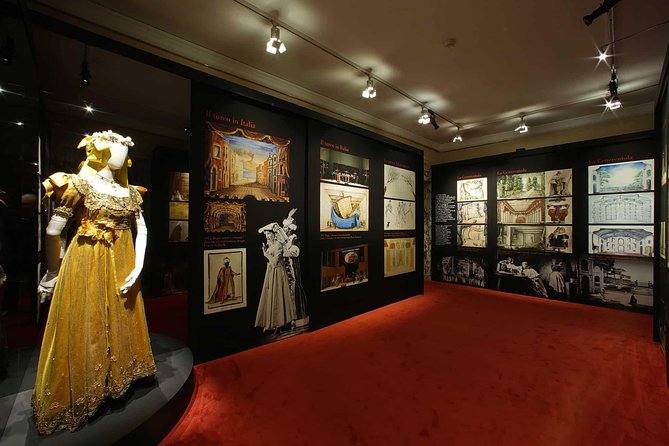
The first big stop is the museum experience, where La Scala becomes more than a photo-op. You’ll be guided through exhibits tied to the theatre’s identity: musical instruments associated with famous musicians, stage props used in famous productions, and costume displays showing what performers wore on stage.
A standout theme is how the tour frames the museum as a record of artistic craft. It’s not just what La Scala is famous for; it’s how opera gets built. You’ll also see painted portraits dedicated to key figures—Giuseppe Verdi and Arturo Toscanini are specifically called out—along with other composer and performer imagery that helps you connect eras and styles.
There’s also time built in for browsing the museum bookshop. This is the moment if you want to take a little opera homework home: you can look for books about opera in general and famous composers in particular. It’s not a requirement, but it’s a nice chance to turn what you just learned into something you can keep reading on your flight back.
Teatro Alla Scala Auditorium: Boxes, Pit, Stage, and the Rehearsal Twist
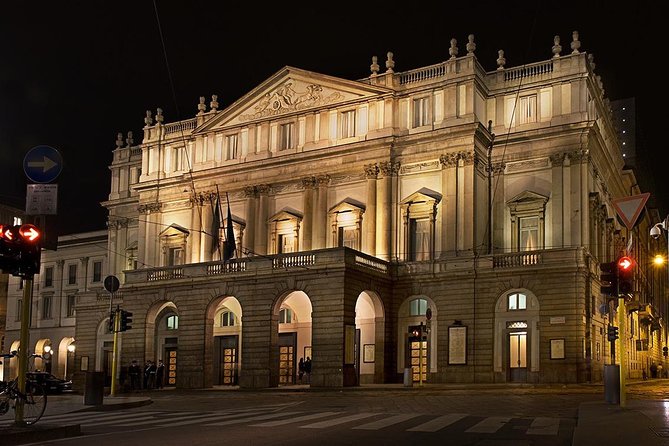
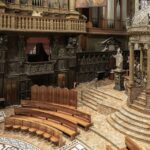
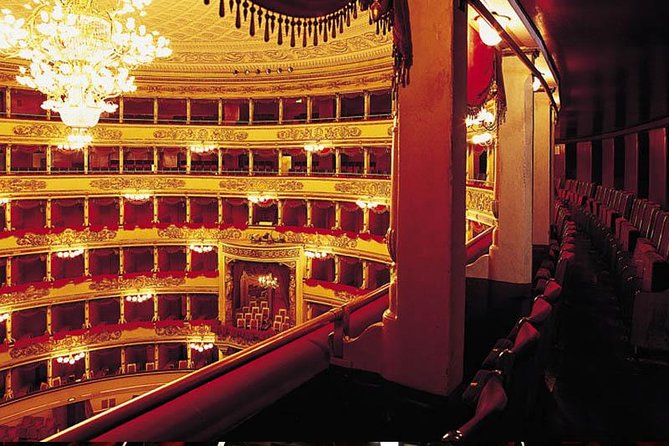
The theatre portion is the part most people care about. The tour is designed to show you the pit orchestra area, the stage itself, the theatre boxes, and the auditorium space from the correct viewpoints during your visit.
Here’s the practical twist: access to the auditorium is conditional. The tour states the auditorium visit is guaranteed unless a rehearsal or show is in progress. If something is happening onstage, your guide will provide a voucher to visit the auditorium on the next available date, and no refund is guaranteed for that scenario. In plain terms: La Scala is busy with actual work, so you may not get the same look on every day.
Even when rehearsals are running, the best-case experience is still usually a short window and a specific viewpoint—think boxes and viewing areas rather than a wide-open walk through the hall. If you care about photos, the lighting situation can change. At times the auditorium lights may be off during testing or while staging is underway, so what you can see (and photograph) may be dimmer than you expect.
So I’d treat this as a “chance to see the theatre up close” experience. Not every day delivers a full, clear, lights-on auditorium tour.
How the Theater Viewing Timing Works (and Why Delays Matter)
Because this is tied to an active opera house schedule, timing is everything. The tour notes that opening times and the theatre visit can be subject to the artistic production happening that day. If the tour is modified, you should be offered a different time for the visit. If the tour is cancelled, you get a full refund.
Also watch your timing closely: if you’re delayed, entry can be refused and it’s not refundable. That means your best move is simple—arrive early enough to handle the practical stuff. Milan streets can be confusing, and La Scala area plans can take time when you’re searching for the meeting point.
A small but real comfort detail: you’re on public transportation lines in the area, so getting there is doable. Still, don’t treat it as a show you can stroll in late to.
Guide Style, Headsets, and Crowd Reality
A lot rides on the guide. When the guide is sharp, the tour feels like a smart hour. You get context that makes the displays click—why certain spaces exist in the theatre, and how performances historically shaped the venue.
Some guides have been praised for being engaging and clear (Claudia and Stefania are named in the feedback you provided). Others are less ideal: there are mentions of headsets with crackling or buzzing static, plus moments where it was hard to hear the guide. I’d plan for this as a small risk. Position yourself where you can hear well, and don’t stand too far back if the group bunches up.
Crowding is another factor. The museum rooms can get tight when multiple groups overlap. That affects comfort and focus—warm rooms, narrow corridors, and competing voices can make it harder to take in the details. If you’re sensitive to crowd noise, mentally prepare to treat the tour like a quick guided overview rather than a slow, contemplative museum visit.
You can also read our reviews of more private tours in Milan






Price and Value: $47.63 for a Theatre-Plus-Museum Primer
Let’s talk value, because $47.63 is not pocket change for an hour. Here’s how I’d judge whether it’s worth it for you.
Good value if:
- you want a guided overview that connects the museum exhibits to how opera productions work
- you’re short on time and want to see La Scala’s theatre context without planning a separate museum visit
- you like history told through objects—costumes, instruments, props, and portraits
Maybe not the best value if:
- you’re mainly chasing a long, lights-on auditorium walkthrough
- you want a truly behind-the-scenes route
- you’d rather spend less and just enter the museum on your own time
A helpful way to think about it: this tour pays for the guide’s interpretation and the included entry. If you end up with limited auditorium viewing due to rehearsals, you’ll still get the museum, which is a substantial part of the experience.
Who This Tour Suits Best (and Who Might Feel Disappointed)
This works best for first-timers who want a fast, guided sense of what La Scala is, why it matters, and what the venue looks like in context.
You’ll likely enjoy it if:
- you like opera history and want composer names and production details tied to real exhibits
- you enjoy museum-style wandering with an expert voice keeping you oriented
- you don’t need backstage access to have a good time
You might skip it (or plan differently) if:
- you specifically want backstage and workspaces, not just viewing points and museum rooms
- you’re expecting a private, one-on-one experience (the tour caps at 25 travelers, so it’s not going to feel like a private museum stroll)
- you strongly prefer quieter, uncrowded environments
Should You Book This La Scala Theatre and Museum Tour?
If you want a short, guided taste of La Scala that saves you planning time, I’d say booking is a reasonable move. The included museum and the theatre viewpoints can be a great combo, especially if you’re a first-timer or you’re pairing this with other Milan stops.
But book with eyes open. Rehearsals and productions can change the quality and amount of auditorium access, and the experience can feel more like museum-focused storytelling than a full theatre interior tour. If you can handle that trade-off, you’ll probably come away with a much clearer understanding of what makes La Scala more than a famous name.
FAQ
FAQ
How long is the La Scala theatre and museum tour?
The tour lasts about 1 hour.
What language is the tour offered in?
The tour is offered in English.
What’s included in the price?
You get a professional licensed tour guide and entrance to the Scala Theatre and Museum.
Is a mobile ticket provided?
Yes, it’s listed as having a mobile ticket.
Will I definitely be able to see the auditorium?
The visit to the La Scala Theatre auditorium is guaranteed unless a rehearsal or show is in progress. If that happens, your guide will provide a voucher to visit the auditorium at the next available date, and no refund is guaranteed.
How many people are in a group?
The experience has a maximum of 25 travelers.
What is the cancellation window for a full refund?
You can cancel up to 24 hours in advance for a full refund.