REVIEW · MILAN
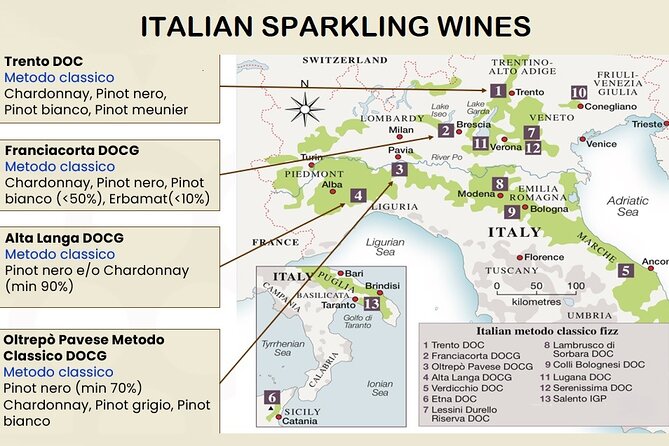
3 Italian sparkling wines and how to distinguish them: Prosecco, Franciacorta..
Book on Viator →Operated by Milano Wine Affair · Bookable on Viator
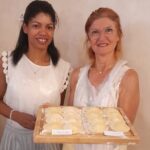
Bubbles meet lesson plans. In Milan, this 2-hour sparkling wine experience from Milano Wine Affair teaches you how three different production methods shape what you taste, from perlage (the bubble feel) to dosage (the finishing touch). I like that it is not a generic pour-and-go wine event. You also get that fun extra layer of atmosphere from a setting with views of Milan, guided by Cornelia, who keeps the pace lively and the explanations practical.
The price is $112.38 per person, and that is the one consideration. For two hours and three tastings, it only really feels worth it if you like learning the why behind the bubbles, not just enjoying a quick glass. The good news: the format is private, in English, and geared toward asking beginner questions without making you feel out of place.
In This Review
- Key Points to Know Before You Go
- Starting at Piazza Fontana: A Quick Milan Setup Before the First Pour
- The Two-Hour Flow: How Three Tastings Become One Clear Skill
- Ancestral Style: Learning to Taste Sparkle That Feels Different
- Charmat or Martinotti (Prosecco Country): Cleaner Fruit, Different Bubble Character
- Franciacorta and the Traditional Method: Where Patience Changes the Glass
- Dosage: The Small Ingredient That Can Make or Break Your Impression
- Perlage: Your Shortcut to Bubble Quality
- Learning More Than Wine: Quality, Price, and Why Methods Matter
- Value for Money in Milan: Is $112.38 Worth It?
- Who Should Book This Sparkling Wine Class
- Should You Book This Milan Sparkling Wine Tasting?
- FAQ
- Where is the tour meeting point?
- What time does the experience start?
- How long does the sparkling wine experience last?
- How much does it cost?
- Is the tour private or shared?
- Is the tour offered in English?
- Will alcoholic beverages be served to minors?
- Are service animals allowed?
- How do I get the ticket?
- What if I need to cancel?
Key Points to Know Before You Go
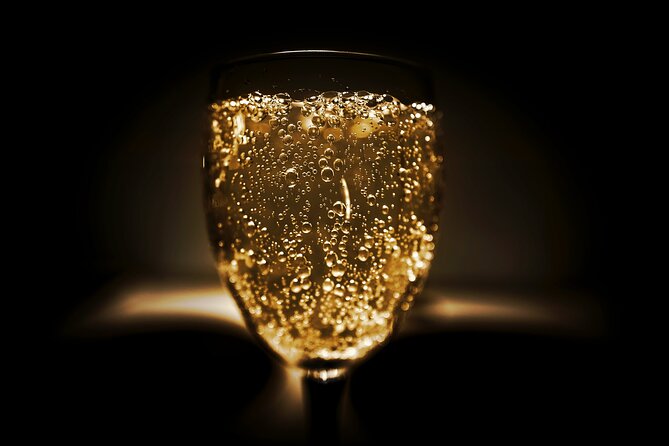
- Three methods, one session: you taste styles made using different techniques so you can actually tell them apart.
- Cornelia leads the class: from what you’re taught, you’ll learn tasting terms that stick.
- Prosecco and Franciacorta are part of the lineup: plus another wine tied to an ancestral style.
- You practice spotting quality signals: not just liking a wine, but understanding what drives that liking.
- You leave with a mental cheat sheet: terms like dosage, perlage, Charmat method, and classic/traditional method become usable tools.
Starting at Piazza Fontana: A Quick Milan Setup Before the First Pour
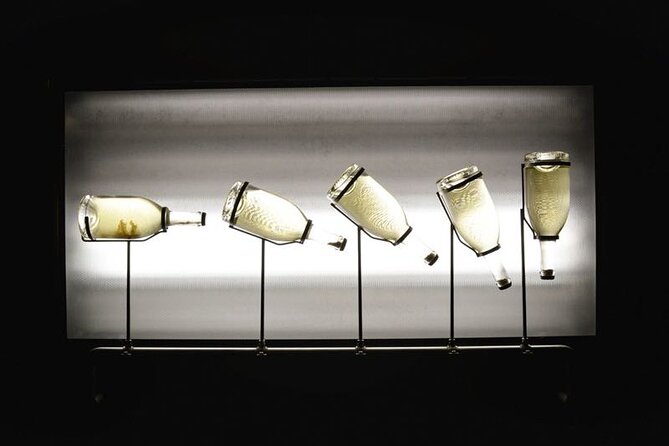
You meet at Piazza Fontana (20122 Milano MI) at 5:00 pm, and the experience loops back to the same spot at the end. That matters more than you’d think. A 5 pm start is perfect for a pre-dinner Milan plan, and it keeps the timing simple if you’re already walking around the center.
This is also a private experience for your group. That usually means less waiting around and more room to ask questions. From what I’d want as a solo traveler, I like that there is a learning focus and not a forced social vibe.
One small practical detail: you’ll want to bring your curiosity, not a wine thesaurus. The language is English, and the teaching tone is built for real-life tasting, where you might notice something and want to know why it happened.
You can also read our reviews of more wine tours in Milan
The Two-Hour Flow: How Three Tastings Become One Clear Skill
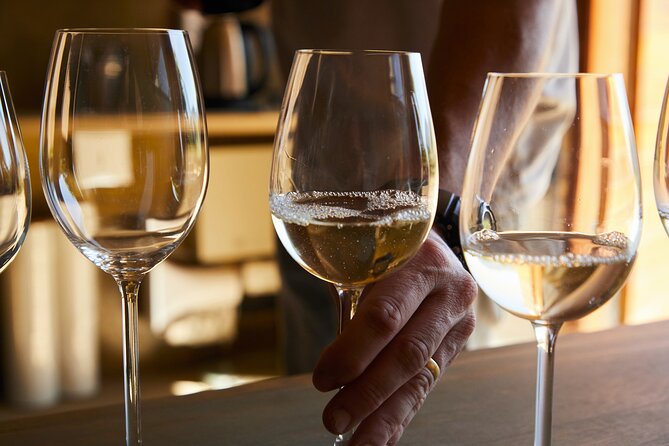
The heart of this tour is simple: you taste three excellent sparkling wines made using three different methods. The goal is not only to drink, but to train your senses. You’ll learn key terms as you go, so they stop being vocabulary and start becoming a tasting map.
Even if you start as a total beginner, you can follow. The session is built around comparing techniques: the ancestral style, the Martinotti or Charmat method, and the traditional method (often called classic method in discussions). Instead of reading about these at home, you get to link the method to the glass in front of you.
The only drawback with an experience like this is that you can’t fully slow down and be lazy. You’ll get the most out of it if you pay attention for the first two tastings, because the third one will make more sense after your senses get tuned.
Ancestral Style: Learning to Taste Sparkle That Feels Different
One of the three wines is made using the ancestral style. In plain terms, this is the style where you experience sparkling character that does not rely on the same step-by-step approach as the later, more controlled methods. What you should focus on is how the wine feels in your mouth and how the bubbles behave over time.
Here’s the trick I’d use if I were guiding my own tasting: don’t judge only by flavor. Judge by the bubble behavior first, then by texture, then by finish. Ancestral-style sparkles often give you a different kind of liveliness, and the tour is set up to help you notice that difference without overthinking it.
You’ll also hear terms like perlage in this part of the lesson. When you learn what to look for, you start to realize that bubbles aren’t just a cute visual. They change the way acidity and aromatics read on your palate.
Charmat or Martinotti (Prosecco Country): Cleaner Fruit, Different Bubble Character
Another wine is tied to the Martinotti or Charmat method, and this is where Prosecco comes into the conversation in a way that actually helps you shop later. The value here is that you learn how production technique affects not just taste, but also price expectations and quality signals.
When you taste Charmat-style bubbles, you’re usually looking for a fresher, more forward fruit impression and a sparkle that feels a bit more direct. Again, your cue is perlage and how the bubbles react as the wine sits in your glass.
The tour also pushes beyond simple flavor talk. It connects method to sensory results. That is why this is more satisfying than a basic tasting where you just nod and move on. After this, you’ll know what questions to ask when you see a bottle that claims a certain method on the label.
Franciacorta and the Traditional Method: Where Patience Changes the Glass
Then comes the wine that represents the traditional method. This is the style that shows up with Franciacorta, and it’s a great contrast to Prosecco-led thinking. With the traditional approach, you’re dealing with a different pace of development, and it often shows up in the wine’s texture, aromatic layering, and the way the bubbles integrate.
In this part, your tasting becomes more about balance. Look at how acidity and richness play together. Pay attention to whether the bubble feel stays crisp but also becomes smoother, rather than just lively.
If you like the idea of learning how quality and cost connect, this is your section. The tour frames it in a grounded way: technique influences how much work goes into the wine and how the result reads in the glass. You don’t need a sommelier degree to understand it. You need a few key terms, and the guide gives them to you in the moment.



Dosage: The Small Ingredient That Can Make or Break Your Impression
Even when you’re not sure what you like yet, dosage is a term you’ll care about. The tour explicitly covers dosage, and that’s a gift, because dosage is one of the reasons two sparkling wines can both seem similar at first glance but taste very different on the finish.
Think of dosage as a tuning knob. It can affect how sweet or dry the wine feels, and it can also shift how you perceive balance between fruit, acidity, and that final sparkle impression. If you’ve ever had one bottle where the bubbles felt sharp and another where the same bubble style tasted softer, dosage is often part of the story.
Here’s how to use what you learn: when you taste, note whether the finish feels tight or rounded. Tight finishes tend to read as drier and more focused. Rounded finishes can feel more generous. The tour’s approach helps you connect those impressions to the technical term you’re hearing.
Perlage: Your Shortcut to Bubble Quality
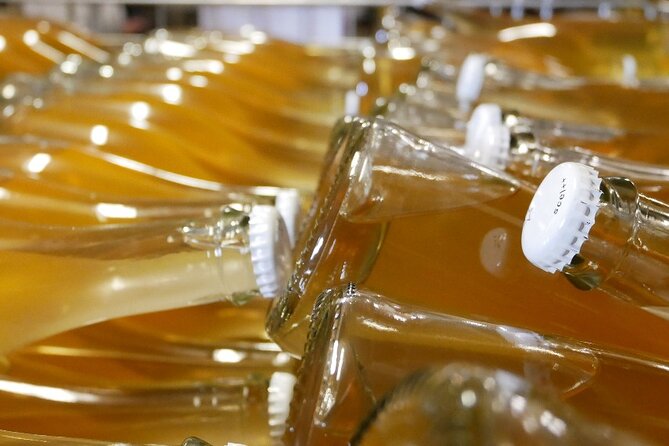
If there is one tasting concept that pays off fast, it is perlage. The tour uses it for a reason: it is a sensory bridge between production method and the experience in your mouth.
I like that the guide keeps it practical. You’re not just told what perlage means. You’re pointed toward what to notice in real time: bubble size, how persistent the sparkle feels, and whether the texture seems refined or more blunt.
If you’re trying to buy the right bottle later, perlage becomes your quick diagnostic. You might still need time to learn style preferences, but once you can describe what you tasted, you’ll make better choices.
Learning More Than Wine: Quality, Price, and Why Methods Matter
This experience is not framed as snobbery. It explains how production techniques affect quality and price, and that is useful for your wallet. A lot of sparkling wine confusion comes from expecting every bubble to behave the same way. They don’t.
When you understand methods, you stop guessing and start predicting. You’ll start seeing patterns like:
- method influences bubble texture and longevity
- method influences how the wine develops character
- method influences the cost of labor and time
The tour also hints at “lesser-known but equally fascinating territories.” You might come away realizing that Italy’s sparkling world isn’t only Prosecco versus the famous names. That’s where the experience becomes fun rather than just educational.
And since it is in English and guided, you can ask beginner questions without getting the side-eye. Cornelia’s style comes through clearly in the feedback, with people praising how she explains the processes and how easy it is to ask for clarification.
Value for Money in Milan: Is $112.38 Worth It?
At $112.38 per person for about 2 hours, the value depends on what you want from the time. If you want three wines plus method training, this is a strong deal compared with the usual “standard wine tasting” experience that mostly teaches you what to like.
It also helps that the tour includes practical extras:
- you get a mobile ticket
- there are group discounts
- it is offered in English
- it is a private tour/activity, so you are not squeezed into a crowded room
The biggest value kicker is learning terms like dosage, perlage, Charmat method, and classic/traditional method while you taste. That turns the experience into something you can reuse on your next wine stop in Milan—or even at home.
If you’re only looking for a relaxed night out with no learning, you might find it too structured. But if you like turning tasting into a skill, you’ll probably feel like you got something you can take home.
Who Should Book This Sparkling Wine Class
This is a great fit if:
- you love Prosecco and want to understand what makes a bottle good
- you want to compare styles rather than just taste three random labels
- you’re curious about how Charmat and traditional method sparkle differ
- you travel solo and still want a guided, welcoming format
It’s also a smart pick if you want your first Milan wine experience to feel purposeful. A lot of people hit wine tours early in the trip so they can build a tasting vocabulary. This tour does that quickly.
One note on service: Italy’s legal drinking age is 18, and anyone under that will not be served alcoholic beverages. Service animals are allowed, and the meeting point is near public transportation.
Should You Book This Milan Sparkling Wine Tasting?
I’d book it if you want a fun 5 pm plan that turns into real knowledge. Three wines, three methods, and clear terms you can use next time. Plus, the fact that Cornelia keeps the tone friendly and question-friendly makes it feel less intimidating than many wine events.
Skip it if you mainly want a casual drink with minimal structure. At $112.38 per person, the best value comes from paying attention and using what you learn.
If you’re in Milan and you like bubbles, this one is built to make you see Prosecco, Franciacorta, and the broader Italian sparkling world in a more accurate way.
FAQ
Where is the tour meeting point?
The tour meets at Piazza Fontana, 20122 Milano MI, Italy.
What time does the experience start?
The start time is 5:00 pm.
How long does the sparkling wine experience last?
It lasts about 2 hours.
How much does it cost?
The price is $112.38 per person.
Is the tour private or shared?
It is a private tour/activity, so only your group participates.
Is the tour offered in English?
Yes, it is offered in English.
Will alcoholic beverages be served to minors?
No. In Italy, the legal drinking age is 18, and people who have not reached it will not be served alcoholic beverages.
Are service animals allowed?
Yes, service animals are allowed.
How do I get the ticket?
You’ll receive a mobile ticket.
What if I need to cancel?
You can cancel for a full refund if you cancel up to 24 hours in advance of the experience start time.