REVIEW · MILAN
Milan: Design and Fashion Walking Tour
Book on GetYourGuide →Operated by Guydeez Tours · Bookable on GetYourGuide
Fashion drama starts with a street walk. This Milan design and fashion tour strings together artisan boutiques, recognizable designer storefronts, and some unforgettable stops around Navigli and Brera. I especially like how it gives you both the style side and the story side, with the controversial San Vittore Prison and Lady Gucci angle built into the route. One thing to consider: it’s a compact 3-hour experience, so you’ll enjoy browsing and learning, but you won’t have time for a long, slow shopping spree in just one shop.
The best part is the pacing between shopping stops and viewpoints. You get to look into Robertaebasta Formentini for Italian design nostalgia, then move on to Cavalli e Nastri in Brera for well-curated vintage clothing browsing. If you’re the type who loves getting recommendations (not just wandering), you’ll probably appreciate guides who adapt to your tastes.
The possible drawback is simple: comfortable shoes matter, and the route covers multiple areas on foot. If you’re hoping for lots of museum-style time or a super deep dive into one fashion topic, this format may feel a bit too “greatest hits.”
In This Review
- Key highlights that make this tour worth your time
- Starting at Fontana dei Tritoni and walking into Milan’s style lanes
- The Navigli district: landmarks, atmosphere, and where the photos come from
- San Vittore Prison and Lady Gucci: the controversy that changes the mood
- Robertaebasta Formentini: vintage Italian design you can actually picture at home
- Cavalli e Nastri Brera: vintage clothing browsing with an informed eye
- From Via Alessandro Manzoni to Piccolo Teatro Strehler: a Milan vibe check
- Price, time, and value: why $47 can make sense here
- Group vs private: choosing the format that fits your style
- Practical details that affect your day
- Should you book this Milan design and fashion tour?
- FAQ
- Where do I meet the guide?
- How long is the Milan Design and Fashion Walking Tour?
- What stops are included on the walk?
- Is this tour available as a private group?
- What languages are offered?
- Is the tour wheelchair accessible?
- What should I bring?
Key highlights that make this tour worth your time
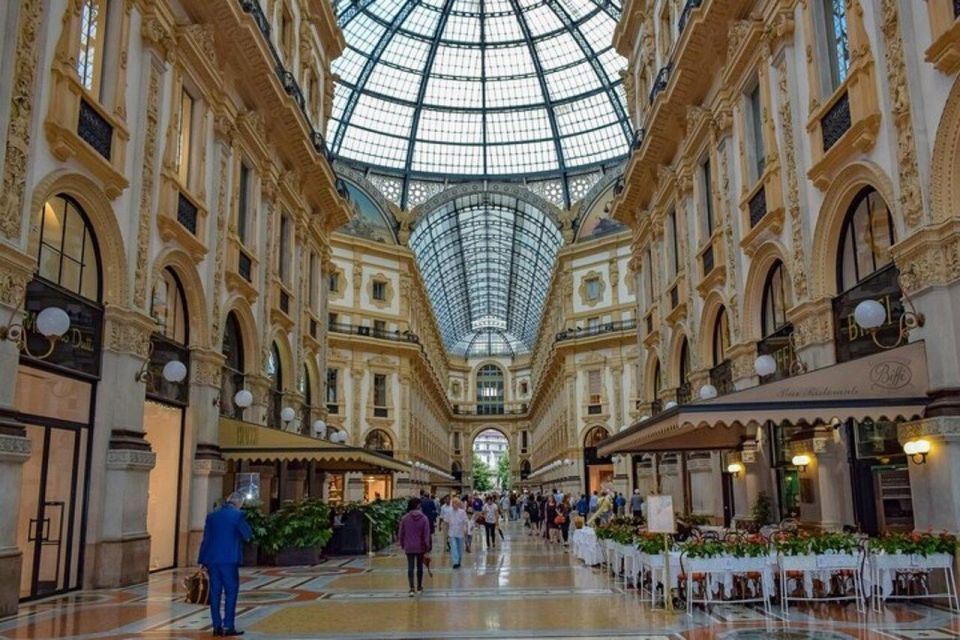
- A fashion-focused walk with real stops: Navigli landmarks plus design and vintage stores you can actually look around in
- San Vittore Prison + Lady Gucci story: a controversial thread that turns this into more than window-shopping
- Robertaebasta Formentini: vintage Italian furniture and accessories, for design lovers not just fashion lovers
- Cavalli e Nastri (Brera): a strong vintage-clothing stop where you can spot pieces by style, not trend
- Private option available: easy to match the pace to you, especially if you want targeted recommendations
- Guides who add value beyond the route: in private tours, Fernando reportedly tailor-made suggestions for galleries, concept stores, restaurants, and even special church visits
Starting at Fontana dei Tritoni and walking into Milan’s style lanes
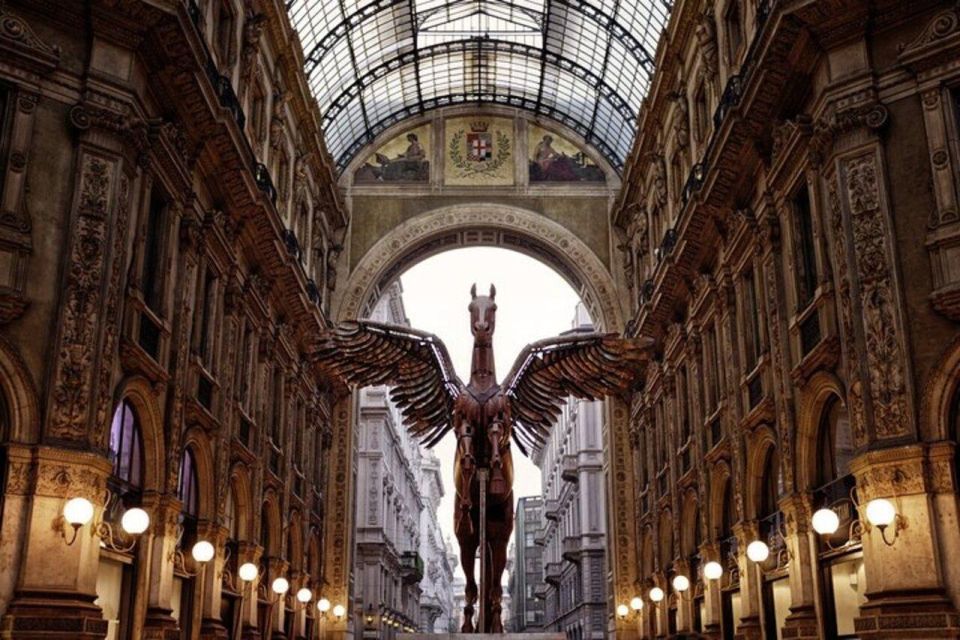
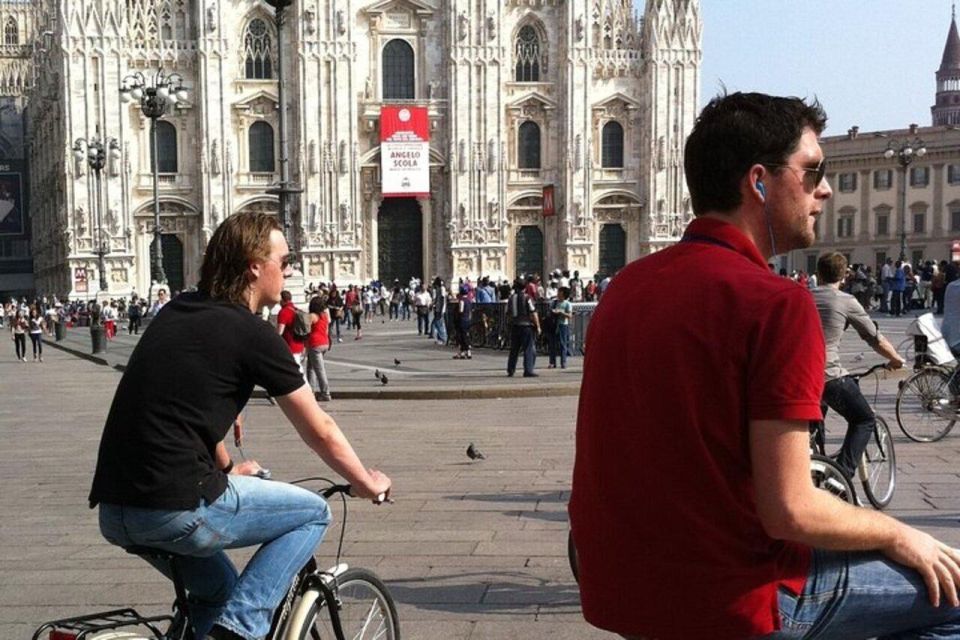
Meet next to Fontana dei Tritoni, then you’re off toward the Navigli area. This start matters more than it sounds. Milan can feel both organized and intimidating at the same time: wide streets, designer names everywhere, and not always an obvious “where do I look first?” plan. Beginning with a clear guide gives you a route that makes sense, and it prevents you from just drifting into the parts you’ve already seen from Instagram.
From early on, the tour’s tone is “look, learn, and keep moving.” You’ll pass a mix of artisan-focused places and big-name designer stores. That contrast is the point. Milan fashion isn’t only about runway glamour; it’s also about craftsmanship, materials, and the people who know how to pull a wardrobe together so it looks effortless.
You also get that small-town feeling inside a mega-city. The guide isn’t only naming brands; they’re showing you the fashion district through the lens of how locals actually navigate it. That’s where the experience starts to feel personal.
You can also read our reviews of more walking tours in Milan


The Navigli district: landmarks, atmosphere, and where the photos come from
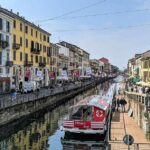
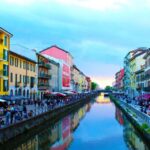
The tour’s backbone is the Navigli vibe—streets where you can feel Milan’s nightlife energy and its style culture overlapping. You stroll through key points like I Navigli and the area around I Navigli Che Vorrei, which helps you connect the fashion story to the physical neighborhoods that made it.
Here’s a practical tip: give yourself permission to look slowly even while you’re walking. The best style browsing happens when you spot patterns—how store layouts change, where window displays emphasize accessories vs. clothing, and how vintage shops present items to feel curated but still discoverable. You don’t need to buy anything to learn the “language” of the district.
This is also where the guided structure helps. Without it, you might spend your 3 hours sprinting between storefronts with no context. With it, you know what you’re looking for and why the route’s shaped the way it is.
San Vittore Prison and Lady Gucci: the controversy that changes the mood
Then comes one of the most memorable segments: San Vittore Prison. This stop isn’t about clothes on a rack. It’s about Milan fashion history filtered through a controversial story tied to Lady Gucci.
That matters because it keeps the tour from becoming a simple shopping loop. You’re still in the fashion universe, but now you’re dealing with power, scandal, and the human stories that often sit behind famous names. The prison setting gives the narrative weight. Even if you’ve never studied the Gucci legend, this angle turns the walk into something you’ll remember later, not just something you photographed.
A quick realism check: you’ll get a guided explanation, but you shouldn’t expect a complete biography lecture. Think of it as a story-driven stop that sets context for why Milan brands carry more than style. If you’re curious about the cultural side—how reputation, media, and personal drama intersect with fashion—this will land well.
Robertaebasta Formentini: vintage Italian design you can actually picture at home
Next, you’ll visit Robertaebasta Formentini, described as a vintage Italian furniture and accessories store. This is a smart pivot. Many fashion tours only focus on clothing. Here, you get design heritage, which is a big deal in Milan, where interior style, craftsmanship, and product design all share the same design DNA.
What you can do during this stop is simple: look for how the store frames items. Accessories and furniture are presented differently than clothing, and that difference teaches you something. You begin to notice how Milan design values show up in materials, proportions, and the “details people remember.”
If you’re the type who likes practical souvenirs, this is where that instinct fits. Even if you don’t buy, you’ll probably leave with stronger ideas about what you like—colors, textures, and design shapes. That’s useful when you later shop on your own, because you’ll know what to look for.
If you’re not into home design at all, you may want to keep your expectations aligned: this is still part of the fashion ecosystem, just through furniture and accessories instead of outfits.
Cavalli e Nastri Brera: vintage clothing browsing with an informed eye
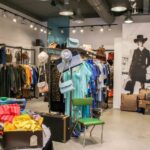
The tour then heads to Cavalli e Nastri in Brera, and you’ll spend guided time there more than once. That’s not accidental. Vintage works differently than regular retail. You can’t just “walk past and decide.” You need time to compare pieces, check quality cues, and understand the shop’s visual logic.
This is one of the most enjoyable parts of the whole experience if you like vintage clothing. The store’s described as one of the best-curated vintage clothing shops in the area, which usually means a few things you’ll feel quickly: better organization, clearer styling, and fewer random items that don’t match the shop’s identity.
How to make the most of it:
- Look at how garments are grouped by style and era, not just size.
- Notice how accessories and shoes (if shown) influence the overall look.
- Try to imagine the piece in your own wardrobe. Vintage is most fun when you can picture how it fits your life.
You also get something subtle but valuable from the guide: perspective. They’re not only showing the store; they’re helping you interpret what you’re seeing. That’s what turns browsing into learning.



From Via Alessandro Manzoni to Piccolo Teatro Strehler: a Milan vibe check
After the main store stops, you move through the city with more guided context. You pass Via Alessandro Manzoni, and later you’re near Piccolo Teatro Strehler before the tour finishes back at Via Andegari, 8.
This part of the walk is useful even if you’re mostly shopping-minded. Streets and landmarks help you anchor your fashion impressions. Milan isn’t just boutiques—it’s also theater, design-minded urban spaces, and neighborhoods that feel distinct from one another. Seeing the route connect Navigli to Brera gives you a clearer map in your head.
For me, this is where you start thinking beyond the tour. You’ll likely walk away with a mental route you can repeat: where to return for one more look, where to linger for window displays, and where you might want to branch off later on your own.
Price, time, and value: why $47 can make sense here
At $47 per person for about 3 hours, this tour sits in the “worth it if you actually use the guide” category. The reason is that you’re not just touring streets for landmarks—you’re combining story + shopping stops + guided explanations.
If you go alone, you can absolutely walk Navigli and Brera and browse stores. But you’ll likely miss two things:
1) the narrative thread (the San Vittore Prison and Lady Gucci controversy connection), and
2) the “how to look” guidance inside stores like Robertaebasta Formentini and Cavalli e Nastri.
That’s where the guide’s value shows up. In a private tour, Fernando reportedly listened carefully and then offered tailored suggestions for galleries, concept stores, restaurants, and even special church visits. That kind of responsive guidance is exactly what turns a standard walking tour into a personalized experience. Daniela also received high praise for being warm and for sharing curiosities and points of interest that matched expectations.
So is $47 a bargain? If you love fashion enough to browse for real, it can feel like a fair deal. If you’re only in Milan for a quick photo spree or you hate shopping environments, you might want to skip and spend your money elsewhere.
Group vs private: choosing the format that fits your style
You can do this as a group or as a private group. For most people, the decision comes down to attention. In a group, you’ll follow the same route and timing, and the guide’s focus is spread across everyone. In a private setup, the guide can adapt more easily—especially if you want recommendations based on your tastes.
That’s what made the private experience stand out in feedback: guides reportedly tailored advice after learning your preferences, and good communication skills made it feel smooth rather than scripted.
Also, if you’re visiting with a partner, private can be a low-drama way to keep the pace comfortable. You’ll still hit the key stops, but you’re less likely to feel rushed.
Practical details that affect your day
This tour is wheelchair accessible, and the practical requirement is straightforward: bring comfortable shoes. Since it’s a walking format with multiple stops, you’ll feel every extra step.
Languages available include English, French, Italian, and Spanish, so you can likely match your comfort level. Also, you’ll meet next to Fontana dei Tritoni and end back at Via Andegari, 8, which helps with navigation.
On timing: it’s listed as 3 hours. That’s long enough to enjoy several store visits and a story stop, but short enough that you’ll finish with energy instead of exhaustion—assuming you’re comfortable on foot.
Should you book this Milan design and fashion tour?
Book it if you want a fashion experience with structure and context. You’ll get a walk through the Navigli and Brera areas, plus meaningful stops at San Vittore Prison, Robertaebasta Formentini, and Cavalli e Nastri. The combination of story and shopping makes it more satisfying than a generic “see the sights” walk.
Consider skipping or switching tours if you only want pure sightseeing or you’re not interested in browsing design and vintage stores. This experience is designed for people who like looking—at clothes, objects, and the urban style around them.
If you do book, my advice is simple: decide in advance what you’re actually looking for (clothing? accessories? design inspiration?), and then let the guide help you focus. That’s how the $47 becomes more than a ticket—it becomes a better way to see Milan.
FAQ
Where do I meet the guide?
You meet your guide next to Fontana dei Tritoni.
How long is the Milan Design and Fashion Walking Tour?
The tour lasts 3 hours.
What stops are included on the walk?
You’ll visit San Vittore Prison, Robertaebasta Formentini, and Cavalli e Nastri (Brera), then continue through the Navigli and Brera areas, including I Navigli Che Vorrei, and finish near Piccolo Teatro Strehler before returning to Via Andegari, 8.
Is this tour available as a private group?
Yes, private group options are available.
What languages are offered?
The live tour guide is available in English, French, Italian, and Spanish.
Is the tour wheelchair accessible?
Yes, the tour is listed as wheelchair accessible.
What should I bring?
Wear comfortable shoes since it’s a walking tour.