REVIEW · MILAN
From Milan: Venice and Verona Full-Day Tour by Train
Book on GetYourGuide →Operated by Amigo Tours Spain · Bookable on GetYourGuide
One day, two legends, and lots of footsteps. I like how this tour strings together Milan to Venice and Verona by train so you don’t waste your trip on transfers, and you still get big hits like Saint Mark’s Square and Juliet’s balcony. The trade-off is simple: it’s a long, walking-heavy day, and it’s not a great fit if you have mobility limits or back issues.
Part of the fun is the on-the-ground storytelling. You’re with a bilingual guide in English and Spanish, and the guides running these trips (names you may hear like Gaia, Chiara, Laura, Mike, Amato, Luca, or Hager) are typically the reason the day feels organized instead of chaotic. You’ll also get downtime to wander on your own, snack and shop, and take photos without always marching in a line.
Here’s the other thing to plan for: travel time. You’ll spend hours on trains (and sometimes buses depending on the season), and the schedule is tight enough that you’ll want to move briskly from stop to stop. Still, if your goal is seeing two iconic Veneto cities without a hotel change, this is a straightforward value play.
In This Review
- Key highlights you’ll feel right away
- Is $180 worth it for Milan–Venice–Verona in one day?
- Milan Central Station meet-up: where the day really starts
- The train ride to Verona: why that first leg is part of the experience
- Verona on foot: River Adige, Ponte Scaliero, and Castelvecchio
- Juliet’s balcony and the romance stop you shouldn’t skip
- The transition to Venice: you’re trading speed for experience
- Venice’s highlights loop: Saint Mark’s Square, Basilica, and Bridge of Sighs
- Free time in Venice: use it for atmosphere, not errands
- Pace and timing: what 13.5 hours feels like in real life
- Bilingual guides: why the person matters more than the brochure
- About gondola rides and optional extras
- What you’ll do with your time in Verona and Venice (and what you might miss)
- Who should book this tour, and who should skip it?
- Should you book this Milan–Venice–Verona day trip?
- FAQ
- How long is the tour from Milan to Venice and Verona?
- Where is the meeting point in Milan?
- Are train tickets included?
- Is food and drinks included?
- Will there be a guide in English and Spanish?
- What are the main sights in Venice?
- Is this tour suitable if I have limited mobility or back problems?
Key highlights you’ll feel right away
- Train-forward pacing: you travel by rail most of the day, which keeps the day moving smoothly.
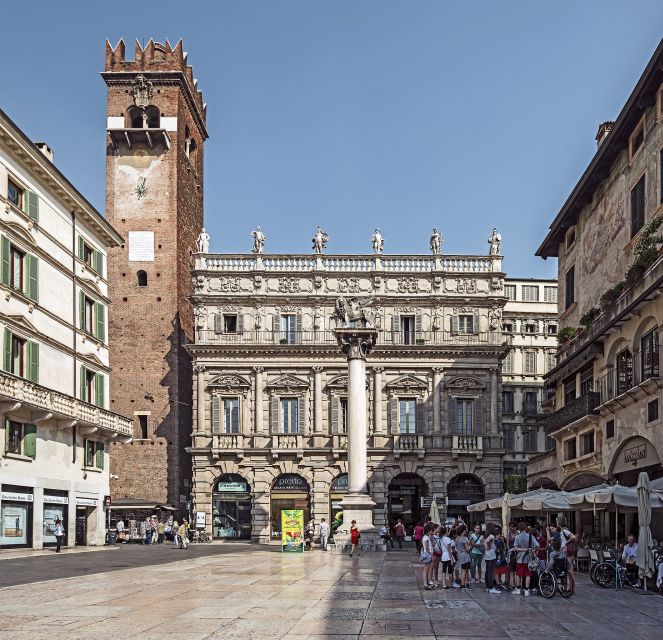
- Verona classics on foot: River Adige strolls, Ponte Scaliero, and Castelvecchio are built into the route.
- Venice without the stress: Saint Mark’s Square, the Basilica, and the Bridge of Sighs are part of the sights loop.
- Bilingual guidance: English and Spanish narration helps you understand what you’re seeing fast.
- Free time that actually matters: you get breathing room to shop, wander, and reset your energy.
Is $180 worth it for Milan–Venice–Verona in one day?
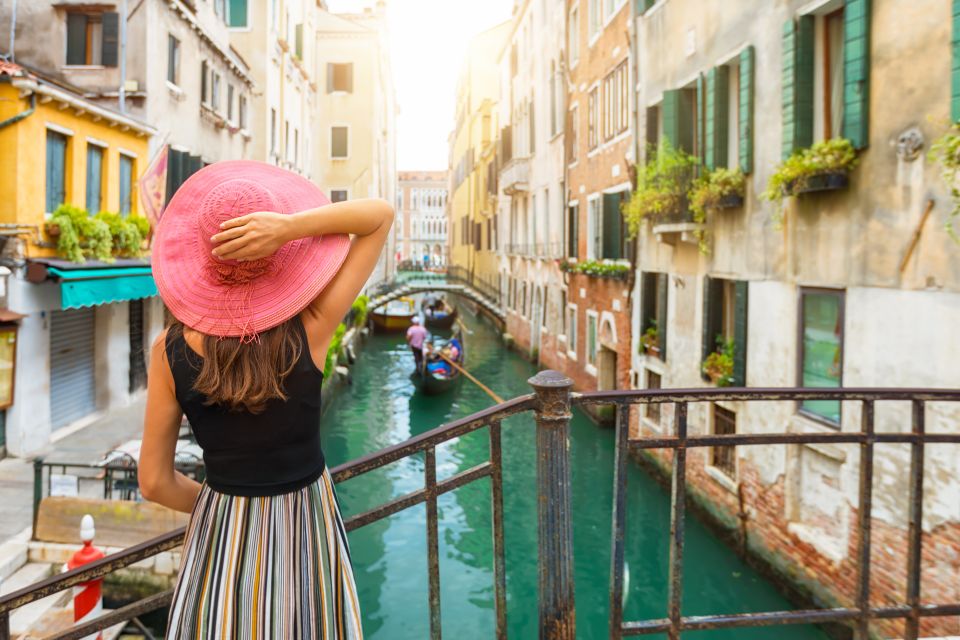
For about $180 per person, you’re paying for three things: round-trip train travel, a bilingual guide who keeps the day coherent, and a set route through two major cities. When you add up how hard it can be to coordinate trains, meet-up points, and your own walking plan across Verona and Venice in a single day, the “guided structure” is often what you’re truly buying.
What makes the pricing feel more fair is that the day is built to cover major landmarks without you having to spend extra hours figuring out transit. Food and drinks are on you, and there isn’t a separate guided tour ticketing structure included—but you do get a guide with you through the key sightseeing moments, which is where most first-timers struggle on their own.
Bottom line: if you want the highlights of both cities and can handle a big schedule, this price can feel like a bargain. If you’re the kind of person who wants slow museum time and lots of sit-down breaks, you might feel it’s expensive for how packed the day is.
You can also read our reviews of more tours and experiences in Milan
Milan Central Station meet-up: where the day really starts
The tour starts at Milan Central Station, with the meeting point set in front of Terrazza Gallia restaurant, on the right side when you exit Piazza Duca d’Aosta station. That’s specific, which is good news. In practice, it means your success depends less on luck and more on arriving early enough to find the correct spot.
I recommend treating this like an airport moment: get there with a little extra buffer, especially because you’ll be joining a group before the trains and first leg lock in. Comfortable shoes matter here, because from the start you’re walking enough to make “I’ll be fine in sandals” a risky plan.
Also: trains and stations can be cool, and some people report the ride feels chilly. I’d pack layers even if Milan feels warm in the morning.
The train ride to Verona: why that first leg is part of the experience
The route uses train for the long stretch (about 2.5 hours on the first train leg). That might sound like “just transportation,” but it’s a real benefit. You’re not stuck in gridlock, and you get a smoother handoff into Verona than if you had to negotiate buses from scratch.
This is also a chance to set up your own mini-plan. I suggest you skim what you want most in Verona during the ride. The tour includes time for sightseeing and walking there (around 2.33 hours), and you’ll have your best odds if you already know what you want to see first.
If you’re the type who likes planning photo stops, this is where you can do it without slowing the group down later. And if you get motion-sore, bring what helps you—this leg is long enough that it can matter.
Verona on foot: River Adige, Ponte Scaliero, and Castelvecchio
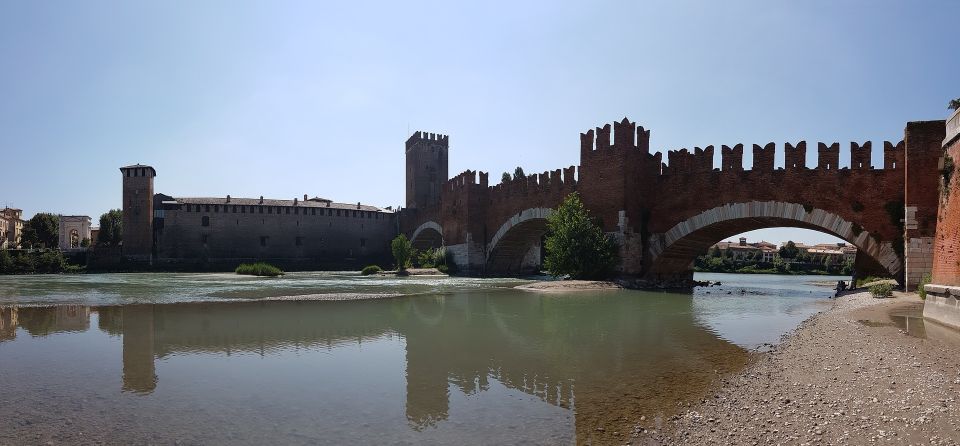
Verona is the warm-up city in the best way. It’s romantic in theme, but the landmarks give it structure: the day routes you along the banks of the River Adige, across Ponte Scaliero, and onward to Castelvecchio, a medieval castle tied to the city’s golden age.
That river walk is more than a scenic bonus. It’s a breather before you hit the denser parts of the sights. Verona’s riverside pacing also helps you absorb the city’s layout. You’re moving through connected areas instead of bouncing around on far-apart streets.
Then comes Ponte Scaliero. Bridges are where you start to understand how Verona connects its neighborhoods. Walking across (instead of viewing from a distance) gives you angles and depth you simply won’t get from a quick stop.
Castelvecchio adds the contrast you want when you’re pairing Verona with Venice. Venice is about water and passageways; Verona leans into stone, medieval streets, and a sense of solid history. Staying with Castelvecchio in the plan means you’re not just doing a Romeo and Juliet photo sprint—you get a real historical anchor.
Juliet’s balcony and the romance stop you shouldn’t skip
The tour includes Juliet’s balcony, famous as the setting for the romance with Romeo. Even if you’re not a die-hard Shakespeare person, this stop works because it’s instantly recognizable and it helps Verona feel like a story you can walk through.
The key is how you treat it: I’d see it as a quick, atmosphere-heavy moment. Then move on. The best Verona days tend to balance the romantic myth with the rest of the city that’s waiting just beyond the postcard areas.



The transition to Venice: you’re trading speed for experience
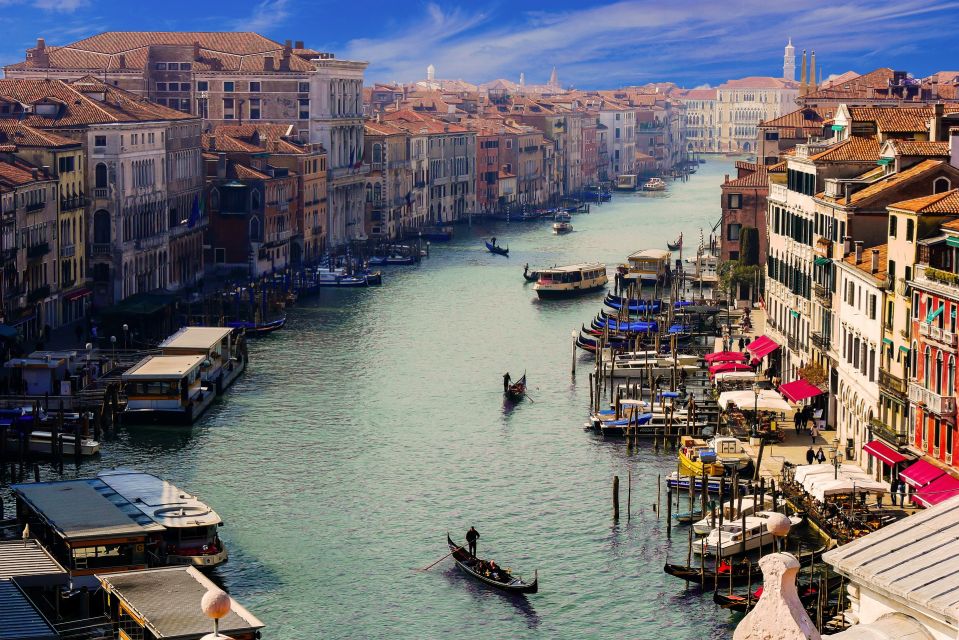
After Verona, you’ll take another train leg (about 1.5 hours) toward Venice, and the plan continues with sightseeing once you arrive. The tour may shift between bus and train depending on the season, but the overall idea stays: you spend enough time traveling that you need a plan for energy and comfort.
I like this transition because it prepares you for Venice’s different rhythm. Verona lets you stretch your legs along a river walk and bridge. Venice makes you slow down with its streets, its water, and its tight walkable center. You’ll feel that difference as soon as you’re moving through the Venice historical center.
If you’re someone who gets tired from transit, treat this like a buffer window. Stand up, stretch, and hydrate before you step into the heavier sightseeing portion.
Venice’s highlights loop: Saint Mark’s Square, Basilica, and Bridge of Sighs
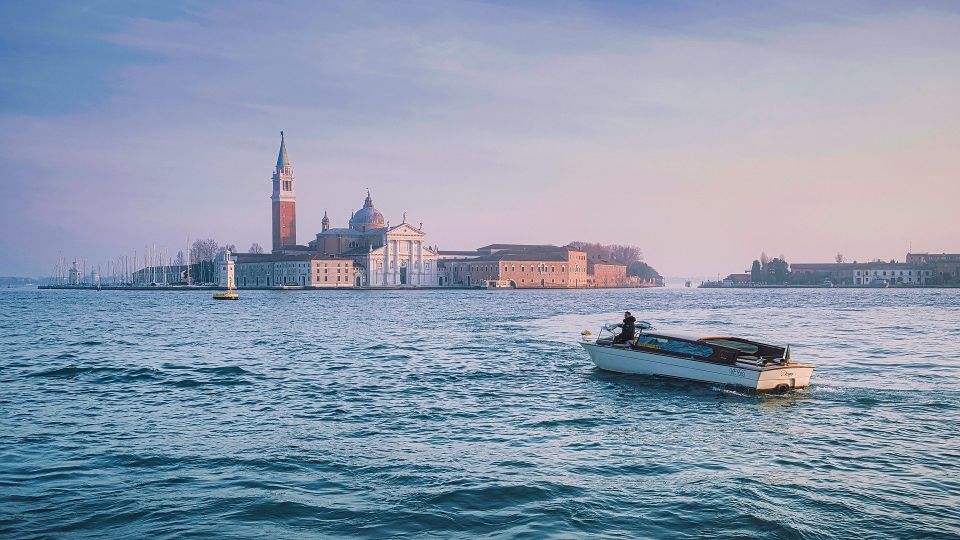
Venice is a special kind of maze. Even when you know where you’re going, the streets curve and funnel you into unexpected views. This is why having a guided route matters: it helps you cover the iconic sights without wasting your only day getting lost.
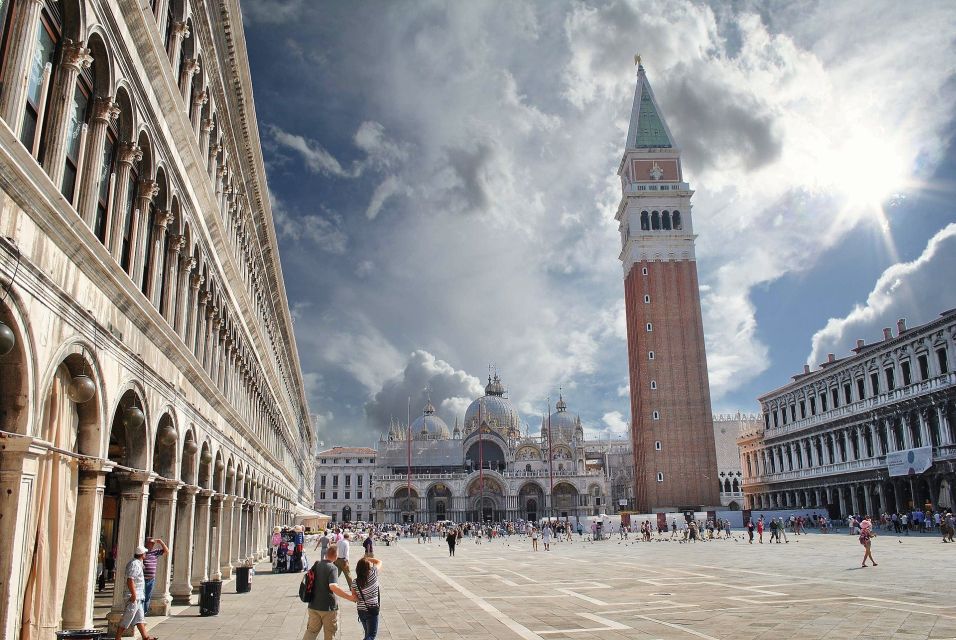
The tour includes a walk in Venice (about 2.5 hours) and key stops in Piazza San Marco, including the Basilica and the Bridge of Sighs. Those landmarks do a lot of work in a short time. They give you anchor points that make the whole city feel legible.
Piazza San Marco is the obvious center of gravity. Once you’re there, Venice stops feeling random. The Basilica stop gives you a major architectural focal point, and the Bridge of Sighs adds a dramatic “only-in-Venice” visual that’s hard to forget.
Free time in Venice: use it for atmosphere, not errands
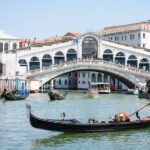
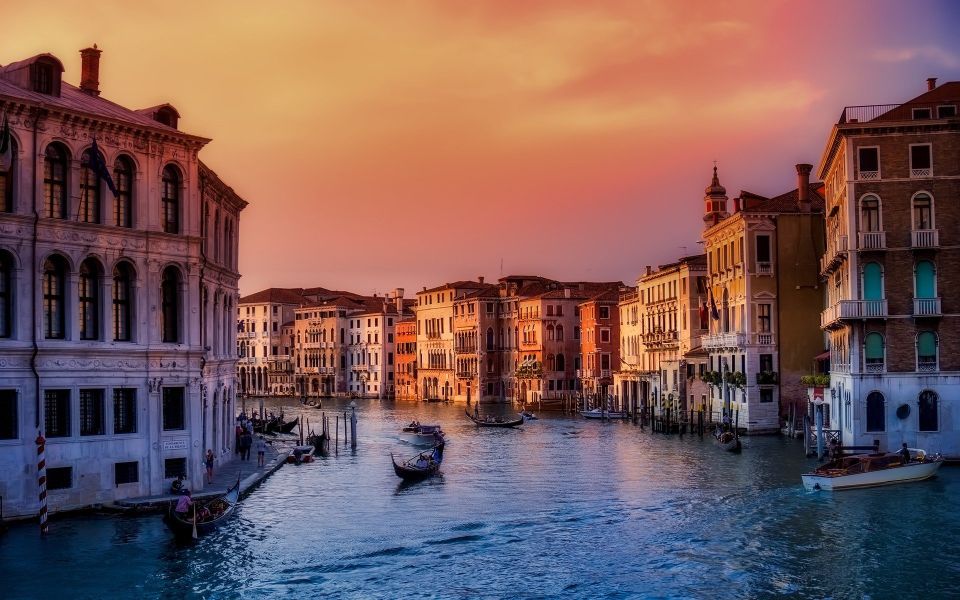
You’ll get free time to explore on your own, including time to shop for souvenirs and take photos. This portion is where I’d keep your goals simple. Think: walk a few quiet streets away from the busiest zones, find a view you like, and enjoy the canal-and-street mix that makes Venice feel like it’s running on water paths instead of car routes.
One practical tip: if you’re using your phone for navigation at the end of the day, be careful with map wording. Some people have gotten stuck because maps confused the landmark name. I’d rely on the official meeting details for the return pickup, and not whatever your app labels as St. Mark square versus San Marco.
Pace and timing: what 13.5 hours feels like in real life
The whole day runs about 13.5 hours from start to finish. That’s a long window, but the way it’s split is the reason it works. You’re not spending all 13.5 hours sightseeing. You’re alternating trains and walking blocks, which keeps the day from collapsing into one endless march.
Still, it’s a “reasonable fitness” kind of outing. Expect long walking distances. One person flagged 20K+ steps as a reality of the day, and that matches what the plan suggests: you’re doing both cities’ highlight areas rather than choosing just one.
My advice: treat this like a full-day hike with scenic rewards. Bring water, wear supportive shoes, and consider keeping a small snack in your day bag. If you’re hungry, your walking pace slows, and then you’ll feel rushed during the free time.
Bilingual guides: why the person matters more than the brochure
This tour includes a bilingual tour leader who stays with your group and guides you through the city highlights in English and Spanish. That’s not just a language convenience. It’s what turns a list of sights into a connected day where you understand why places matter.
From the run of guide names you might see (Gaia, Chiara, Mike, Amato, Keira, Cara, Luca, Hajar, Heger, Laura, and Hager show up in past groups), there’s a common thread: the best days are the ones where your guide actively manages timing. That shows up in how quickly you reach the next landmark and how smoothly the group regroups after free time.
If you’re the kind of traveler who asks questions, this is a great fit. You’ll be moving through different settings—Verona’s river and medieval castle feel, then Venice’s major square and waterways—so a guide can help you connect the dots without you needing to research every detail yourself.
About gondola rides and optional extras
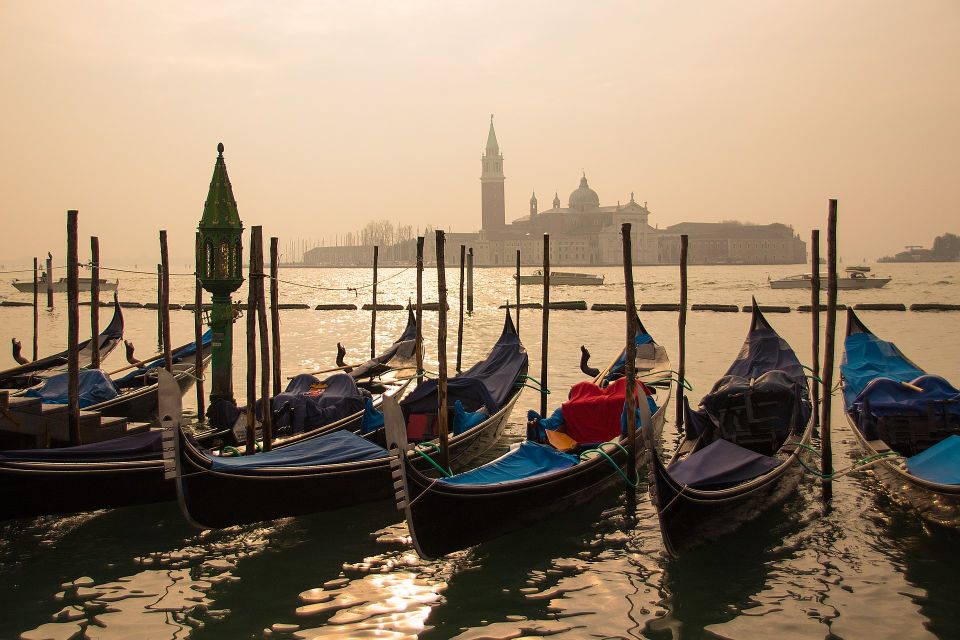
One thing you might like: some guides have helped organize gondola rides on request for people who wanted them at the last minute. That’s not the same as saying gondolas are included. But it does mean you can ask your guide if there’s a workable option while you’re in Venice.
If you want the gondola experience, I’d ask early during Venice time so you’re not competing with the clock later.
What you’ll do with your time in Verona and Venice (and what you might miss)
This tour is built for highlights, not everything. In Verona, you get major romantic and historical beats: River Adige, Ponte Scaliero, Juliet’s balcony, and Castelvecchio. In Venice, you hit the big recognized names: Saint Mark’s Square, Basilica, and Bridge of Sighs, plus time to roam.
So what might you miss? Anything that requires long, ticketed museum time or neighborhoods that are far outside the central sightseeing loop. You’re not on a slow “every street” program. You’re on a “get your bearings fast and see the landmarks” program.
That’s why it works so well for first-timers. You leave knowing where you’d return if you had a second day in either city.
Who should book this tour, and who should skip it?
This is a good match if you:
- want two cities in one day from Milan without dealing with hotel logistics
- like big sightseeing hits and don’t mind walking
- enjoy having a guide keep you moving while you get some free time to wander
It’s not a good match if you:
- have limited mobility or mobility impairments (the day involves long walking distances)
- deal with back problems, since the schedule includes extensive walking
- prefer slow-paced travel with lots of sitting and minimal movement
Also keep in mind that you’ll be traveling for several hours between locations. If you’re sensitive to long transit days, consider whether you’re planning your trip tightly already.
Should you book this Milan–Venice–Verona day trip?
If your time in Italy is short and you want the headline sights of Verona and Venice without the cost and hassle of changing hotels, I’d say yes. This tour is built around smart coverage: train legs to keep it efficient, a structured walking route for the major landmarks, and bilingual guidance to make the day feel organized.
Book it if you can handle a full, walking-heavy schedule and you’re excited by the idea of seeing Saint Mark’s Square and Juliet’s balcony in the same day. Skip it if you want a relaxed pace or you know you’ll struggle with lots of walking and long transit.
FAQ
How long is the tour from Milan to Venice and Verona?
The duration is listed as 13.5 hours.
Where is the meeting point in Milan?
You meet at Milan Central Station, in front of Terrazza Gallia restaurant, on the right side when you exit Piazza Duca d’Aosta station.
Are train tickets included?
Yes. Train tickets are included.
Is food and drinks included?
No. Food and drinks are not included.
Will there be a guide in English and Spanish?
Yes. The tour includes a bilingual tour leader who accompanies you (English and Spanish).
What are the main sights in Venice?
You’ll visit Saint Mark’s Square (Piazza San Marco), the Basilica, and the Bridge of Sighs, plus time to walk in the historical center.
Is this tour suitable if I have limited mobility or back problems?
No. It is not recommended for people with limited mobility due to long walking distances, and it is not suitable for people with back problems or mobility impairments.
If you want, tell me your travel dates and whether you’re planning Venice for the first time. I can help you decide if a one-day format matches your pace or if you’d be happier doing each city separately.