REVIEW · MILAN
Unveil the Masterpiece: Guided Tour of Da Vinci’s Last Supper
Book on Viator →Operated by Ways · Bookable on Viator
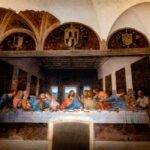
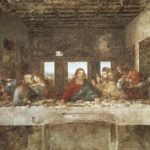
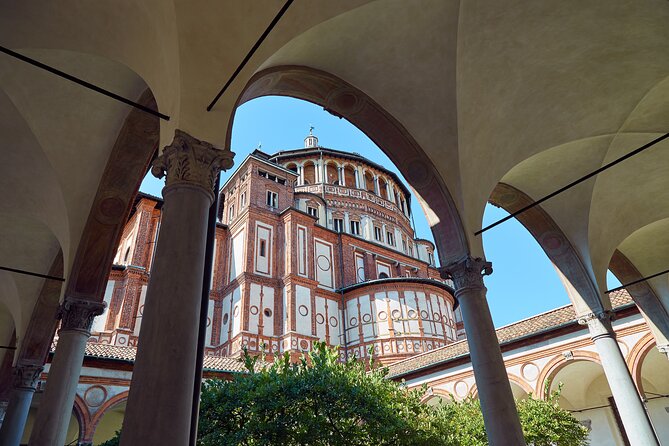
You do not come to Milan for short, casual art time. You come for Da Vinci’s Last Supper, and this guided setup is built to get you in. The experience centers on Il Cenacolo at Santa Maria delle Grazie, a UNESCO World Heritage Site, with a licensed local guide and clear audio via provided headsets.
I like that the ticket is handled for you. You get guaranteed admission to one of Milan’s biggest “hard-to-get” sights, so you spend your energy actually looking at the painting instead of chasing availability.
The one thing to plan around is the format: you have 15 minutes inside the refectory. It is plenty if you show up ready to focus, but it is not a long museum hangout.
In This Review
- Key things to know before you go
- Why this Last Supper tour matters in Milan
- Where you meet: Piazza di Santa Maria delle Grazie, 2
- The one-stop itinerary: Il Cenacolo and what happens before entry
- Inside the refectory: 15 minutes that you should actually plan for
- Hearing your guide: headsets make a real difference
- The guides: what you can expect from names like Daniela and Sarah
- Price and value: is $95.58 worth it?
- What to bring (and what to leave behind)
- Timing: plan for a real-world visit, not just the hour
- Who this tour is perfect for
- Should you book this guided tour of Da Vinci’s Last Supper?
- FAQ
- Is the tour offered in English?
- How long is the tour?
- Is the entrance ticket included?
- How much time do I get inside to see the painting?
- Do I need to bring ID?
- What items are not allowed inside?
Key things to know before you go
- Guaranteed entry to the Last Supper, one of Milan’s most in-demand timed tickets
- Headsets included, so you can hear the guide clearly during the walk and orientation
- 15 minutes inside the viewing area, because crowd limits are strict
- Licensed local guide (English), with explanations that often include the work and its restoration
- Small group cap (max 29), which helps the visit stay organized
- No flash and you’ll need to travel light (backpacks/large bags and food are not allowed inside)
Why this Last Supper tour matters in Milan
Milan is one of those cities where your biggest challenge is not finding sights. It is finding tickets to the sights that sell out fast. Da Vinci’s Last Supper is the one that most people plan their trip around, and that makes access the whole game.
This tour is attractive because it’s built around timed entry reality. You’re not rolling the dice. You’re paying for a guided slot with admission included, which is a big deal when you consider how far in advance it’s commonly booked.
Also, the structure helps. You get a local guide who can frame what you’re seeing, and that changes your experience from look-and-go to look-and-understand. If you’ve ever stared at a masterpiece and wondered what matters first, you’ll appreciate the guidance here.
You can also read our reviews of more guided tours in Milan

Where you meet: Piazza di Santa Maria delle Grazie, 2
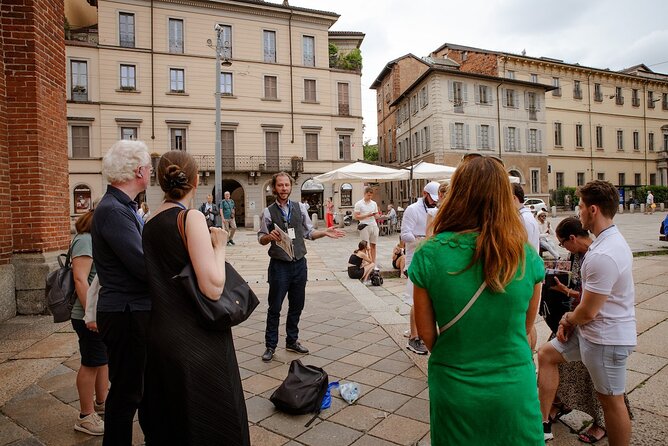
The meeting point is straightforward: Leonardo’s Last Supper Museum, at Piazza di Santa Maria delle Grazie, 2, 20123 Milano. It ends back at the meeting point, so you do not need to worry about a second drop-off.
Here is your practical move: arrive early enough to find the correct group. One review note that the area around the square can take a few minutes to navigate, and that organizer signage matters. In other words, don’t show up at the last second and assume everything will be smooth.
The area is also near public transportation, which is helpful because you do not want your morning trip to depend on taxis and traffic. Build in some buffer time so you can start calm, not rushed.
The one-stop itinerary: Il Cenacolo and what happens before entry
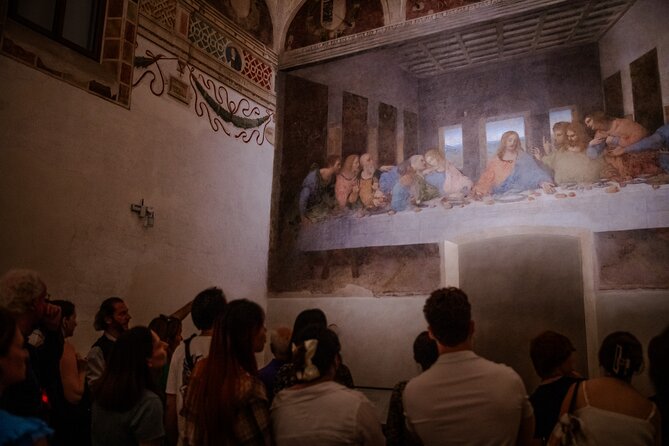
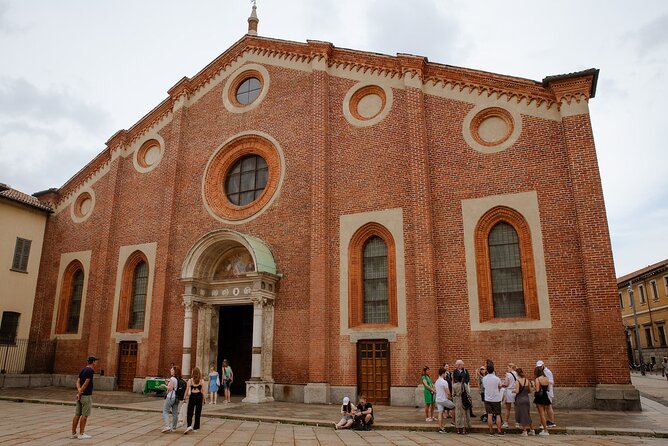
This tour is centered on one main stop: Il Cenacolo, the Last Supper mural housed at Santa Maria delle Grazie. Even though it’s a short itinerary on paper, the experience is paced to match how access works in this building.
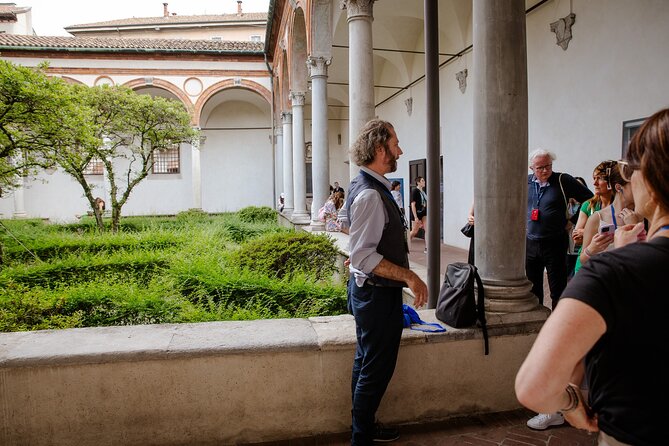
A key detail: you spend part of the visit outside first. Multiple guides use that time to set the stage, explain the setting, and give context about the church and the painting. That matters, because the refectory viewing window is short, and you get more from those 15 minutes when you already know what you’re aiming to notice.
Once you’re ready, you enter the viewing setup with your group and guide, using the provided headsets. The whole point is to keep you oriented and moving at the speed the site requires.
Inside the refectory: 15 minutes that you should actually plan for
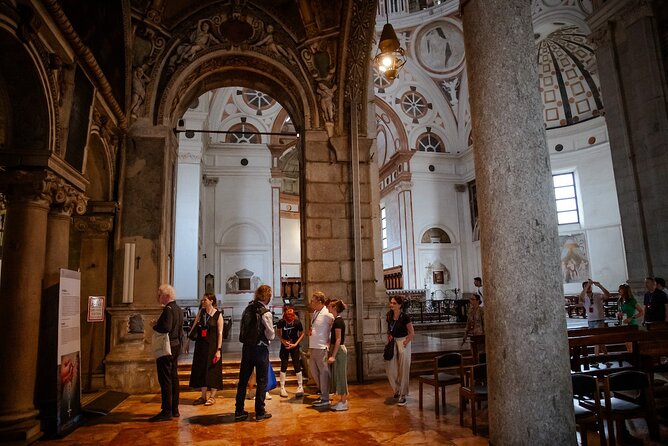
Let’s be honest: 15 minutes sounds short. It is short. But it is enough for a focused visit if you go in with a simple mindset: you are not trying to see everything. You’re trying to see the most important parts clearly.
What you can do with those minutes:
- Look at the overall composition first, so you understand how the figures are arranged
- Then shift your attention to key gestures and faces
- Keep your guide’s points in mind while you look, because that’s how explanations turn into understanding
Also note the rules that affect how you experience the space. Flash photography is not allowed, and bags restrictions apply. This helps keep the environment stable for the artwork, and it also means you can focus without distractions from people trying to film or take photos up close.
One more practical point: because the viewing time is limited, the tour pacing is designed to keep the group together. It is not the kind of slow, wandering art stroll where you get lost for ten minutes and catch up later.
Hearing your guide: headsets make a real difference
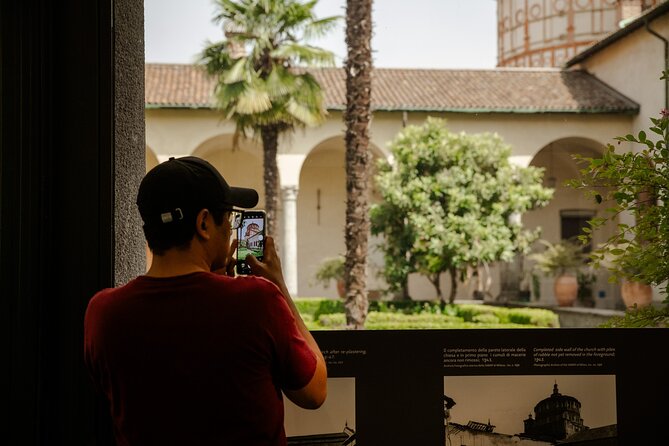
Many famous sites have guides, but not all of them solve the same problem. Here, headsets are provided, and that is a big comfort boost—especially because the building and viewing rules create crowding and short time windows.
When you can actually hear every sentence, you catch the smaller explanations that connect what you see to why it matters. One guide style that comes through strongly in feedback is a clear, organized flow—people feel like the visit stays on time and you get real context, not random chatter.
If you have any hearing sensitivity, or if you usually struggle with outdoor tours in busy spaces, this headset setup is one of the best reasons to choose this format.
The guides: what you can expect from names like Daniela and Sarah
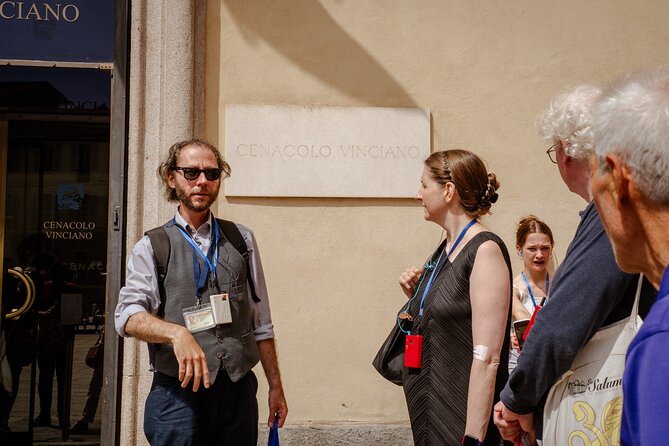
This tour is offered in English, and the quality often comes down to the guide. In the feedback you provided, several names show up repeatedly—Daniela, Sarah, and Valeria—and they’re described as thoughtful, organized, and strong at explaining details about the painting and its context.
You should also expect the guide to cover the work in a way that makes the experience feel guided rather than just ticket access. Some explanations include references to the painting’s restoration—and that can help you understand why certain surfaces and details look the way they do today.
A small but useful takeaway: if you prefer an experience that feels structured and paced, the guide-led format fits you well. If you prefer silent, slow self-guided looking, the strict time limits may feel a bit controlling.
Price and value: is $95.58 worth it?
At $95.58 per person for about one hour, the price can feel steep—until you compare it to what you’re paying for: guaranteed admission to a timed masterpiece slot plus a licensed guide and headsets.
This is not a “cheap museum ticket” situation. It’s closer to paying for access, structure, and interpretation at a site with strict limits. When a sight is hard to enter without the right ticket, paying for reliability has value. The cost becomes less about the wall time and more about removing the stress.
Here’s the trade-off to understand: the visit is short in the viewing room. If you need a long, relaxed experience, you may feel like you didn’t spend enough time inside. But if you go for focus and context—and you want to avoid ticket headaches—the value math usually works out.
Also, the tour has a maximum of 29 travelers. That size is big enough to feel social but small enough to keep the visit organized, which matters when you’re dealing with entry rules.
What to bring (and what to leave behind)
You’ll have a smoother experience if you plan for restrictions ahead of time.
Bring:
- A valid ID document, since full names and dates of birth are mandatory during booking and must match the ID you present
- The ID for every participant, including minors (minors must be accompanied by an adult)
Leave:
- Flash photography is not allowed
- Backpacks, large bags, food, and bottles of water are not allowed inside the refectory area
You should also be aware that the tour runs rain or shine, so pack for Milan weather. And if you have reduced mobility needs, some parts of the site may not be easy, so it’s smart to ask for details ahead of time rather than guessing.
One more tip: because bags and items are restricted, plan your day so you can travel light. If you’re carrying a lot already, this can become the annoying part of the trip.
Timing: plan for a real-world visit, not just the hour
The duration is listed as about 1 hour, but the real value comes from how that hour is used. The key number is the 15 minutes inside. That viewing limit is why the tour stays efficient and why the pre-entry orientation matters.
Also, the tour has a “rain or shine” mindset. That means you should not count on weather canceling or delaying things in your favor. Go with the assumption that you’ll be moving through the meeting area and waiting in real outdoor conditions.
And if you’re ever running late, the instructions are clear: you need to contact the emergency number if delay happens. If delay is not reported, the tour can start and no refund is guaranteed. So build in buffer time even if you’re local.
Who this tour is perfect for
This is an easy “yes” if:
- You want guaranteed admission to the Last Supper and don’t want the ticket scramble
- You like structured context from a licensed guide
- You’re okay with a short viewing window and would rather maximize understanding than maximize minutes
- You want headsets so you can actually hear the guide well
It may be less ideal if:
- You want hours of slow, independent wandering inside the viewing room
- You plan to carry bulky bags or heavy items (since restrictions apply)
- You struggle with tight time windows and would prefer a flexible pace
Should you book this guided tour of Da Vinci’s Last Supper?
If your goal is a smooth, reliable Milan highlight, I’d book it. Paying $95.58 makes sense when it buys you guaranteed entry, a licensed English guide, and headsets—and when the biggest risk at this site is sold-out timing.
I’d especially recommend booking if you’re visiting during busy periods or if you’re the type of traveler who hates last-minute plan stress. You’ll spend less time managing logistics and more time actually looking.
Just go in with the right expectations: 15 minutes inside is the core. If you’re prepared for that and you enjoy guided context, this is a smart way to see one of the world’s most famous paintings in a way that sticks with you.
FAQ
Is the tour offered in English?
Yes. The experience is offered in English.
How long is the tour?
It’s listed as about 1 hour.
Is the entrance ticket included?
Yes. The entrance ticket to the Last Supper is included.
How much time do I get inside to see the painting?
You’re allowed 15 minutes inside the refectory with the Last Supper.
Do I need to bring ID?
Yes. You must bring a valid ID document, and during booking you must provide the full names and dates of birth that match the ID.
What items are not allowed inside?
Flash photography is not allowed. Backpacks, large bags, food, and bottles of water are also not allowed inside.