REVIEW · MILAN
Sforza Castle and Michelangelo’s Pietà Rondanini guided experience
Book on Viator →Operated by Hidden Experiences · Bookable on Viator
A fortress museum in Milan, with Michelangelo’s shadow in the room. This guided stop makes Sforza Castle feel less like a maze and more like a story, with special attention on Michelangelo’s Pietà Rondanini. In about 90 minutes, you get the why behind the what, plus practical help moving through one of the city’s biggest museum complexes.
I love that the tour uses a central meeting point (Filarete Tower at Piazza Castello), so you start in the right place fast. I also like the human touch of a licensed guide who connects the castle’s history to what you’re actually seeing—names and details come up, from Francesco Sforza to restorations linked to Luca Beltrami, and then straight to Michelangelo’s unfinished work and its deeper meaning.
One possible drawback: the experience depends on your guide’s spoken English clarity. The castle can also get crowded around key rooms, and some spots have limited restroom options—so plan your timing.
In This Review
- Key highlights to look for before you go
- Starting at Filarete Tower: where the tour really clicks
- Castello Sforzesco: seeing a fortress-museum with the right lens
- What to watch out for at the castle
- The Pietà Rondanini experience: why Michelangelo’s unfinished work feels so personal
- How to get more out of the Pietà room
- Guided history that actually helps you see: Milan through one castle
- Examples of guide styles (and what it means for you)
- Pacing, audio, and the small-group reality
- One note on English clarity
- Price and value: what you’re really paying for
- Who this tour suits best (and who should think twice)
- Should you book the Sforza Castle and Pietà Rondanini guided tour?
- FAQ
- How long is the Sforza Castle and Pietà Rondanini guided tour?
- What is the price per person?
- Is the tour offered in English?
- Where does the tour start?
- What time do I get back to the meeting point?
- What’s included in the tour price?
- What is not included?
- How big is the group?
- Is there a private tour option?
- What is the cancellation policy?
- Does the tour always run?
Key highlights to look for before you go
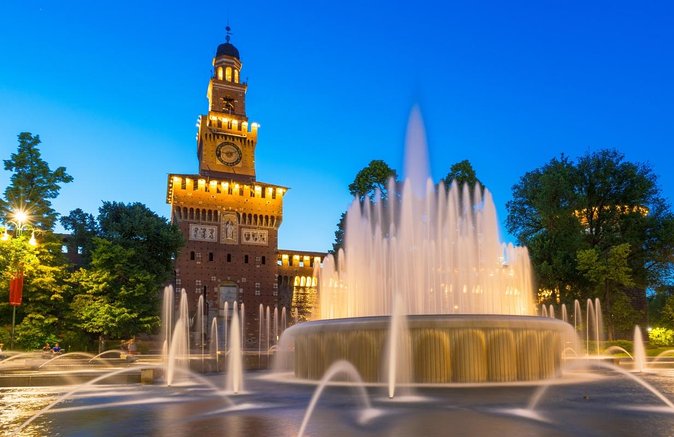
- Filarete Tower meeting point: a clear start at Piazza Castello, and your guide is easy to find
- Tickets included for Sforza Castle, so you don’t waste time pricing or ticket lines
- Pietà Rondanini focus: more context about Michelangelo’s choices than you’d get wandering alone
- Headphones when needed: from 11 participants onward, which helps in busy galleries
- Small group size: a maximum of 20 people keeps the tour from turning into a shuffle
- Private upgrade available if you want quieter pacing and more personal questions
Starting at Filarete Tower: where the tour really clicks
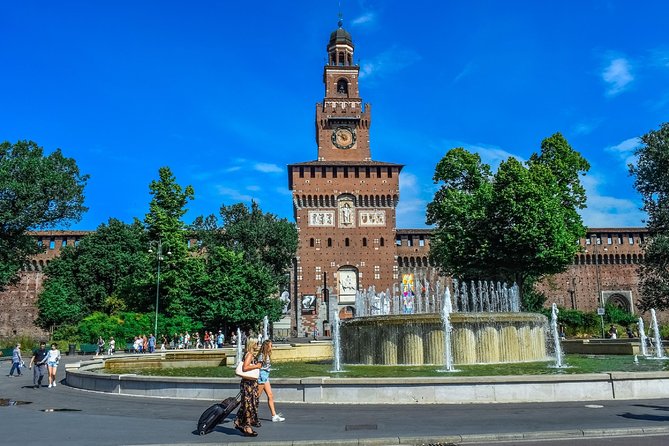
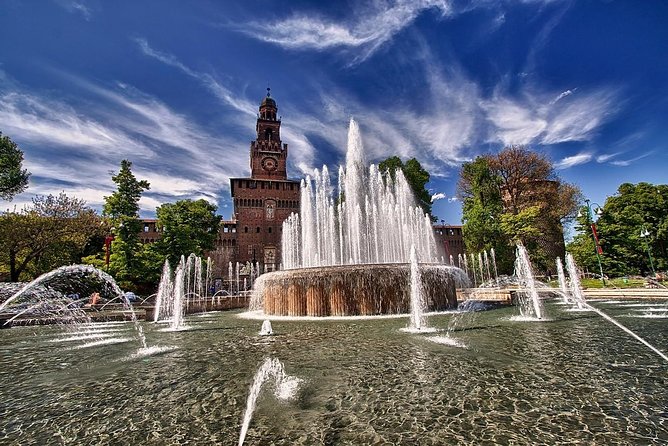
The biggest stress at big sights is always the same: meeting up, finding your people, and not losing precious museum time. This tour is designed around one strong anchor point—Filarete Tower at Piazza Castello. That matters because Sforza Castle sits in a broad public square area, and people often drift while taking photos.
When you arrive, take a quick moment to look for your guide at the tower rather than walking around first. In the reviews, people praised guides for being on time and easy to spot (one mentioned a flag). That’s your clue that the tour runs on a “no-fuss” setup: meet, walk in, and start learning right away.
Another practical perk is timing. You can choose different tour times, which helps if you’re pairing this with other Milan highlights the same day. And since the tour typically gets booked about 35 days in advance, earlier time slots can disappear first—so if you have a tight plan, don’t wait until the last minute.
You can also read our reviews of more guided tours in Milan



Castello Sforzesco: seeing a fortress-museum with the right lens
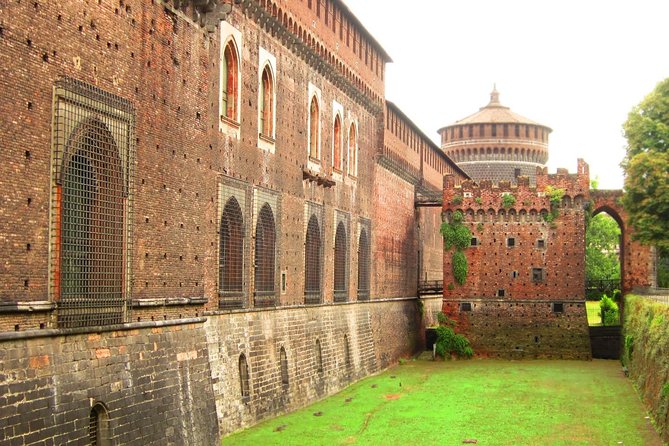
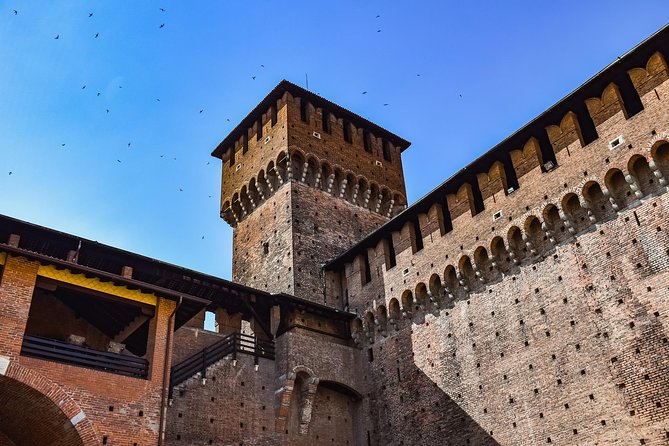
Sforza Castle is huge—so huge that it’s easy to leave feeling like you saw a few rooms and missed the point. This tour keeps you on a guided thread through the fortified complex, built in the 15th century by Francesco Sforza and later reshaped through centuries of change.
What your guide helps with is interpretation. The castle isn’t just “old walls.” It became a container for major collections, including art and sculpture that Milan is proud of today. Your guide ties the castle’s transformation to the experience of being inside it: what you’re looking at now is the result of restoration efforts, including work associated with Luca Beltrami.
This is also where the “value” of a guided route shows up. You’ll learn how the castle’s different layers connect to the collection choices—so the museum rooms start to feel organized, even when the building itself isn’t. One review described the interior as an art gallery, and that’s the right expectation: you’re not touring a single church or chapel. You’re moving through a major museum complex.
What to watch out for at the castle
Two practical things can affect your comfort:
- Restrooms can be limited. One review specifically warned that there are only two bathrooms in the castle, and that it’s best to know this before you head in.
- Crowds can interfere with listening. Even on a small-group tour, you’ll be sharing key areas with other visitors. If the group is on the larger side, you’ll have headphones (provided when there are at least 11 participants), which makes a real difference for following the story.
If you’re the type who hates being rushed, arrive a few minutes early and treat the first stop as your “settle-in” moment.
The Pietà Rondanini experience: why Michelangelo’s unfinished work feels so personal
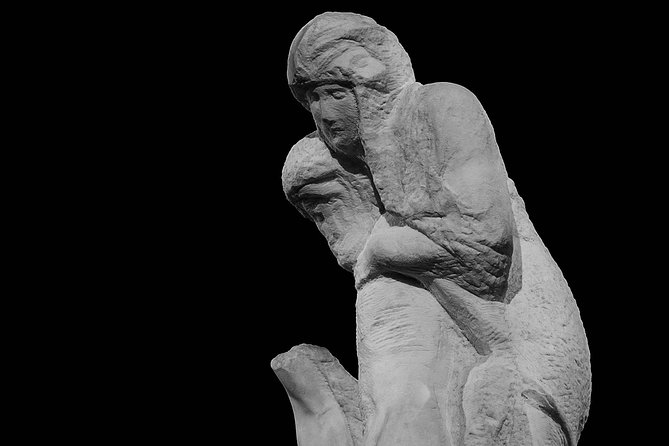
The centerpiece of this tour is Michelangelo’s Pietà Rondanini. This is not a “fast look at a famous statue.” The tour is built to slow you down mentally and help you notice things you might otherwise miss.
What makes this sculpture special—at least in the way guides explain it—is that it carries a sense of incompletion. One review mentioned an explanation of the unfinished aspect, and that’s crucial context. Michelangelo wasn’t creating a tidy, fully resolved image. You’re meant to feel something halfway formed, and the guide’s job is to help you read that emotional tension correctly.
Your guide also points out details that make the Pietà more than a silhouette in a gallery. Reviews highlighted in-depth commentary at the Pietà, including references to an associated death mask. Even if you only catch part of that explanation, the point is the same: you’re learning how Michelangelo’s process, and his technical choices, connect to the human weight of the subject.
How to get more out of the Pietà room
Here’s a simple strategy that works well in major museums:
- Take one minute to stand back and look at the overall composition first.
- Then step in a bit closer and re-check what your guide said about the unfinished areas or emotional cues.
- If the room is busy, don’t fight for the “perfect angle.” Use the guide’s spoken cues to anchor you, then move when you can.
If you’re a Michelangelo fan, you’ll appreciate the focused approach. If you’re not, this can still land, because the guide frames the Pietà in a way that makes it easier to care about.



Guided history that actually helps you see: Milan through one castle
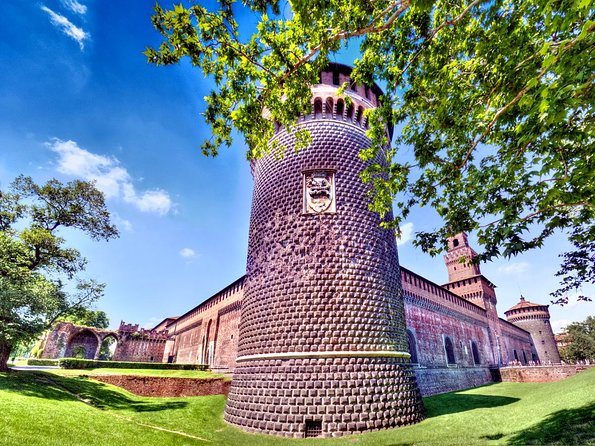
One thing that consistently comes through in the experience is the way the guide connects Milan’s identity to the castle walls. This isn’t just a list of dates. It’s a “how did this city become itself?” approach.
You’ll hear about:
- Francesco Sforza and the castle’s origin as a fortified power base
- centuries of transformation—because the building you see today wasn’t frozen in one era
- restorations connected to Luca Beltrami
- and then the leap from architecture and politics into art and collections
That jump is where many self-guided visits fall apart. People walk into the museum expecting to “see masterpieces,” but without context, the experience can feel like one room blends into another. With a guide, you’re learning why these items matter and how they connect to the castle itself.
Examples of guide styles (and what it means for you)
Some guide names mentioned in connection with this tour include Renata, Simon, Stefania, Sylvia, Lori, Maria, Nina, and Fabio. While you can’t guarantee which one you’ll get, the common theme across feedback is clear: the best sessions are paced well, interactive, and full of connecting threads (castle history to Michelangelo, and also ties to other artists in the museum collections).
If you care about art explanations, this is the right kind of tour format. It’s also why people often choose it instead of other Milan-famous activities—they want a museum experience that teaches rather than just entertains.
Pacing, audio, and the small-group reality
This tour runs about 1 hour 30 minutes. That’s a good length for a place like Sforza Castle because you’re getting a focused path without getting trapped inside every gallery.
Also, it’s built for listening:
- It’s a small group tour.
- There’s a maximum of 20 travelers, which keeps movement manageable.
- Headphones are provided starting at 11 participants, helping you hear the guide even when you’re standing near other groups.
Pacing shows up in the reviews too. People praised guides for being engaging without overwhelming the group, and for keeping a good rhythm—important when you’re moving from open areas into museum rooms.
One note on English clarity
A few reviews mentioned difficulty hearing a guide due to accent or pronunciation. I can’t predict how any particular guide will sound, but you can control one thing: make sure you have your listening setup ready. If you’re offered headphones, use them. And if you know you’re sensitive to low volume, position yourself where you can see the guide’s face and mouth.
Price and value: what you’re really paying for
At $60.37 per person, this isn’t a budget impulse buy—but it also isn’t an overpay for a random guided walk. The price includes entry tickets to Sforza Castle, a licensed tour guide, and (when the group size calls for it) headphones. For many people, that bundled value is the difference between “we visited” and “we understood what we visited.”
The big value piece is the guide’s ability to connect:
- the castle’s 15th-century Sforza origins
- restoration and transformation over time (including Luca Beltrami)
- and then Michelangelo’s Pietà with the kind of context that changes how you see the sculpture
If you went on your own, you’d still be able to find the Pietà. But you’d likely miss:
- the emotional weight of an unfinished work explained clearly
- the technical or symbolic details guides highlight
- and the way the castle’s story frames the collection you’re seeing
So think of the ticket cost as paying for time you don’t have to waste figuring out what matters. In a museum this big, that time is expensive.
Who this tour suits best (and who should think twice)
This tour fits best if:
- you want Michelangelo’s Pietà Rondanini with real context
- you like art and architecture explanations that connect to the place
- you’d rather follow a route than fight your way through a massive museum complex
- you’re comfortable with a small group and short walking segments
It may be less ideal if:
- you strongly prefer total freedom and do not want any structure
- you’re worried about hearing the guide in busy rooms (headphones help, but crowd noise is real)
- you need frequent restroom breaks during the first museum stretch, since restroom availability can be limited
If you’re traveling with teens, the tour is not marketed as a kid program, but some families said the pacing worked well. The key is that the tour is primarily an art-history experience.
And if you want maximum flexibility, there’s an option to upgrade to a private tour, which is often the best answer when language clarity and pacing matter most.
Should you book the Sforza Castle and Pietà Rondanini guided tour?
Yes—if your goal is to leave Sforza Castle feeling like you understood something, not just clicked photos. This tour’s structure is built for that: a guided route through the castle complex, and then a focused, explanation-heavy experience with Michelangelo’s Pietà Rondanini.
Book it sooner rather than later because this experience tends to be reserved in advance (about 35 days on average). And when you show up, do two small things that pay off: arrive a few minutes early at the Filarete Tower meeting point, and plan your restroom timing so you’re not searching in the middle of the most important room.
If you get a guide who speaks clearly and keeps the group engaged, this is a very solid use of 90 minutes in Milan—worth it for the Pietà alone, and even better because the castle context makes the sculpture land with more force.
FAQ
How long is the Sforza Castle and Pietà Rondanini guided tour?
It runs for about 1 hour 30 minutes.
What is the price per person?
The price listed is $60.37 per person.
Is the tour offered in English?
Yes, this tour is offered in English.
Where does the tour start?
The meeting point is Filarete Tower, Piazza Castello, 20121 Milano MI, Italy.
What time do I get back to the meeting point?
The activity ends back at the meeting point.
What’s included in the tour price?
Included are entry tickets to Sforza Castle, a licensed tour guide, and headphones from 11 participants (plus a small group tour).
What is not included?
Not included are gratuities (optional), food and drinks, hotel pick-up/drop-off, and any extras.
How big is the group?
The tour has a maximum of 20 travelers.
Is there a private tour option?
Yes, you can upgrade to a private tour for a more personalized experience.
What is the cancellation policy?
Free cancellation is available. You can cancel up to 24 hours in advance for a full refund.
Does the tour always run?
This experience requires a minimum number of travelers. If it’s canceled because the minimum isn’t met, you’ll be offered a different date/experience or a full refund.