REVIEW · MILAN
Milan Dark Ghost Tour on Foot
Book on Viator →Operated by Citywalkers · Bookable on Viator
Milan at night has a second voice. This walking Dark Ghost Tour uses real local stories, not Halloween theater, as you move between some of the city’s most famous corners and its lesser-known streets. It runs about 2 hours and is led in English.
I love that it stays story-first. You get a licensed guide, a small group (up to 30), and a route that goes from big landmarks to quietly eerie details like the Colonne di San Lorenzo. I also like the tone: no cheesy special effects, just a guide who keeps the pace steady while explaining why each place matters.
One thing to consider: the material leans into murder, serial-killer legend, and the Great Plague of Milan. If you prefer lighter ghost stories—or you’re especially sensitive to crime themes—this may feel a bit heavy for an evening walk.
In This Review
- Key things that make this tour worth your time
- A Night Walk Through Milan’s Dark Side, Without Cheap Scares
- Porta Venezia: Santa Margherita’s Murder Story and the Danger of Closed Walls
- Duomo di Milano: White-Eyed Photo Legends Behind Newlyweds
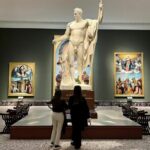
- Pinacoteca Ambrosiana: Haunted Rooms, Centuries of Searching, and a Museum at Night
- Via Torino: A Narrow Street, an Icy Wind Feeling, and a Serial-Killer Legend
- Colonne di San Lorenzo: The 1629–31 Plague Story and the Barber Detail
- Price, Time, and What You’re Paying For at $94.91
- Meeting Points and Walking Logistics That Keep the Night Smooth
- Who This Tour Fits Best (and Who Should Rethink It)
- Should You Book the Milan Dark Ghost Tour on Foot?
Key things that make this tour worth your time
- No jump-scares: the focus is storytelling and atmosphere, not theatrics
- Smaller group (30 or fewer), which helps you actually hear the guide
- English-speaking, licensed guide with strong crowd control on a nighttime route
- Stops with “why this place” context, from Porta Venezia to Pinacoteca Ambrosiana
- Milan plague history is part of the walk, including a dark barber-related legend
A Night Walk Through Milan’s Dark Side, Without Cheap Scares
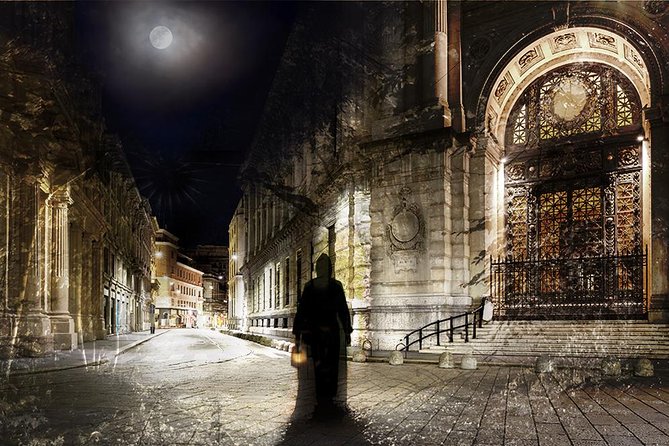
This is a ghost tour that takes itself seriously. You’re not signing up for someone to leap out of the dark at you. The tour is built around stories, local legends, and historical context that connect to the streets you’re standing on.
That approach matters for your comfort. You can enjoy the spooky mood without feeling ambushed, which is a big deal if you’re a little nervous about fear-based gimmicks. The route also keeps moving, so you’re not stuck in one cold spot listening for long stretches.
The other big win is the guide. If you get Marco, you’ll likely notice how he leads: energetic, organized, and tuned in to the group. One of the best things about a good dark-tour guide is timing—getting everyone into position, speaking clearly, and making each stop feel like it fits the next.
You can also read our reviews of more tours and experiences in Milan.
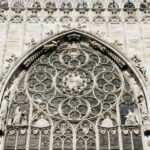


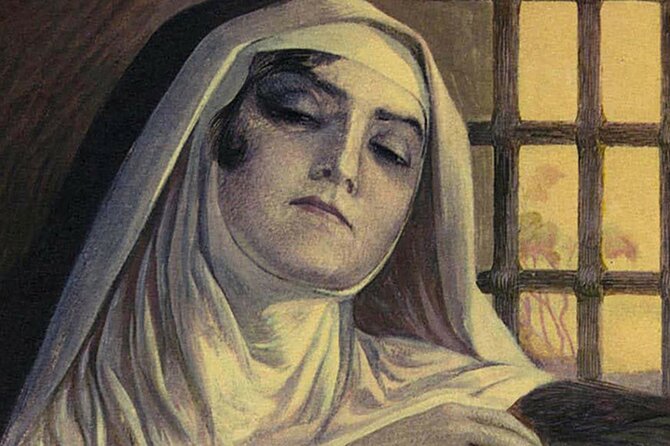
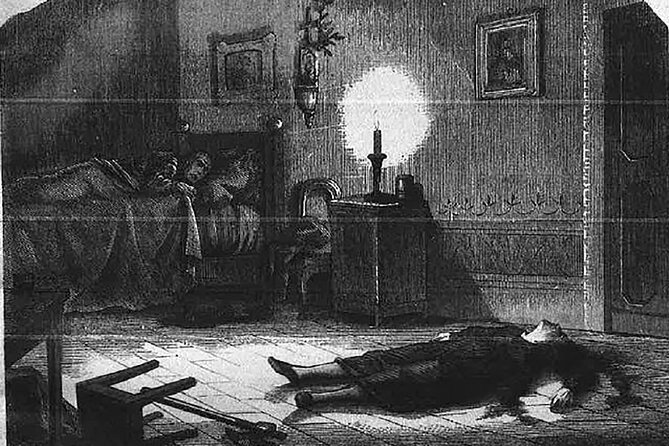
Porta Venezia: Santa Margherita’s Murder Story and the Danger of Closed Walls
The walk starts at Corso Venezia, 47, and the first stop takes you to Porta Venezia. Here, the tour focuses on a convent story tied to Santa Margherita, with the framing that a religious place can still be dangerous.
You’ll hear an account centered on the most emblematic nun of Milan and the idea of taint, corruption, and crime rising inside convent walls. Even if you’re not into gothic lore, this works because it’s anchored to a specific place—and Milan has plenty of old structures where history didn’t politely stay in the past.
Why this stop is smart: it sets the tone early. You learn how the tour interprets Milan’s darker side—less about ghosts floating for fun, more about human behavior and the shadows that cities keep.
What to watch for: this isn’t “cute spooky.” The language around murder and corruption is part of the point, so keep that in mind if you’re bringing younger kids.
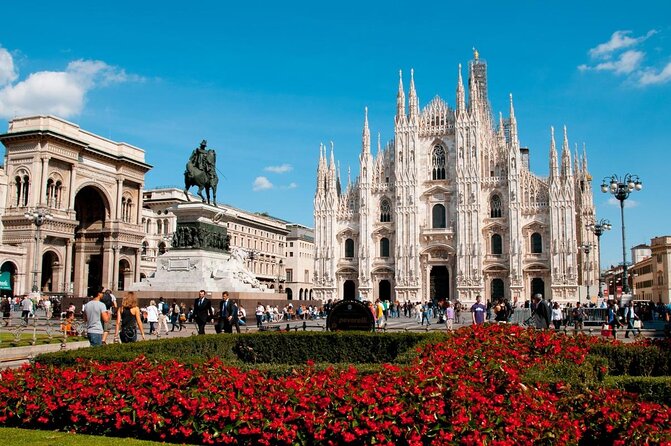
Duomo di Milano: White-Eyed Photo Legends Behind Newlyweds
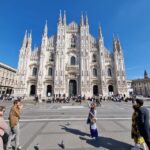
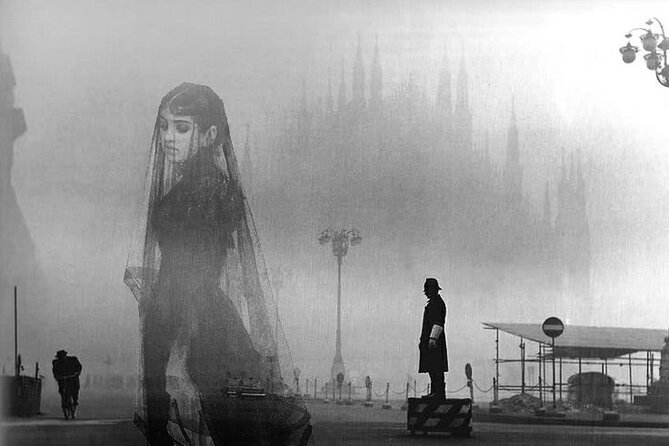
Next comes the Duomo di Milano, one of the most photographed buildings in Italy. The tour uses that visibility to talk about a recurring photo-related legend: a white-eyed figure dressed in black that supposedly shows up in images taken around newlyweds leaving the cathedral.
The guide’s job here is to make the story make sense in context. You’re not just hearing a random creepypasta-style claim. You’re standing at the Duomo, in the place where people gather, take photos, and form their own myths around what they capture.
This is a great stop if you like the intersection of modern life and old legends. Milan in daylight is busy and bright; Milan’s nighttime mythmaking hits different when the cathedral is looming over you and the streets feel quieter.
Time note: the Duomo stop is brief (about 10 minutes). It’s enough to hear the setup and the local twist, but it’s not a long sit-down moment. Wear layers and keep your eyes open so you don’t miss the angle the guide points out.
Pinacoteca Ambrosiana: Haunted Rooms, Centuries of Searching, and a Museum at Night
The tour’s most atmospheric stop is Pinacoteca Ambrosiana. You’ll step into the idea of empty museum rooms and a ghostly figure that wanders for centuries, looking for a new lover.
The story is vivid and romantic-dark: a beautiful deadly ghost, wandering aimlessly for 400-plus years, tied to the feeling of a museum after hours. Even if you don’t treat ghost tales as literal, you can still enjoy what the tour is doing—using the building’s quiet, controlled spaces to make the supernatural feel plausible.
This stop also helps you understand why museum settings work for ghost storytelling. Museums are already about lingering. They keep the past in display cases and curated rooms, so a legend about something refusing to leave fits the mood.
One practical point: the stop is about 10 minutes. That’s ideal for a walking tour, but it means you’ll want to pay attention right away rather than expecting extra time to wander. If you like museum interiors, you might still want a separate daytime visit—this isn’t meant to replace that.
Via Torino: A Narrow Street, an Icy Wind Feeling, and a Serial-Killer Legend
Via Torino is where the tour shifts from big monuments to narrower streets. The description of this segment focuses on a dark, quiet street where you might feel an icy wind—framed as the ghost of a famous serial killer still looking for the next victim.
This is the most intense-themed stop on the walk. It’s still framed as storytelling, not gimmicks, but the subject matter is heavier. If you’re doing this for mild spooks and romance-goth vibes, this is the stop that may push you out of your comfort zone.
The upside is setting. Small streets give you sound and shadow in a way wide avenues don’t. If your group stays together and the guide keeps you oriented, this can be the most memorable segment of the night.
Time note: you’ll have about 15 minutes here, which gives the story a little more room than the other short stops. It’s also where comfortable shoes matter, because it’s easy to shuffle when streets are dark.


Colonne di San Lorenzo: The 1629–31 Plague Story and the Barber Detail
The walk ends by shifting into history that’s grim in a real-world way. At Colonne di San Lorenzo, the tour talks about the Italian Plague of 1629–31, often called the Great Plague of Milan, including the harsh scale of loss—possibly one million lives, around 25% of the population.
Then comes the darker folklore angle: the story is even worse if you were a barber during that unlucky period. Whether that detail is meant as literal history or grim legend, it’s a sharp reminder that epidemics weren’t just numbers—they shaped daily life, jobs, fear, and survival.
This stop adds variety to the tour. A lot of “dark tours” stay stuck on ghosts. Here, the plague story brings you back to how a city’s past can feel supernatural in hindsight—because mass suffering and social disruption can look like a curse from far away.
Practical note: admission at this stop is not included, so you may need to pay separately if the experience requires entry or access. If you like to plan ahead, check on the day whether you’re expected to go inside.
Price, Time, and What You’re Paying For at $94.91
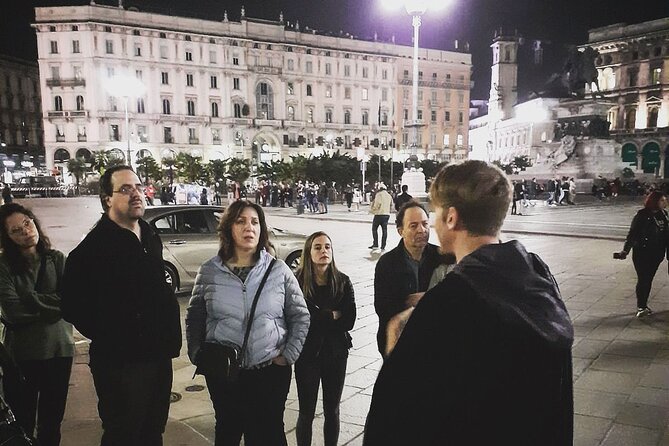
At $94.91 per person, this isn’t a bargain-basement walking tour. But it is also not trying to be one. You’re paying for a licensed English-speaking guide, a controlled group size (up to 30), and a structured nighttime route with specific stop-by-stop storytelling.
The duration—about 2 hours—also matters. For Milan, that’s a workable block of time that won’t swallow your whole evening. You’ll walk, listen, and move on without long downtime. If you’re on a tight schedule and want one “evening activity” that feels different from another round of aperitivo, this fits well.
Another value point: the tour uses a mobile ticket. That’s the kind of small thing that can save you time at night when you’d rather be listening than searching your inbox.
One more angle: the average booking time is around 46 days in advance. That suggests demand and limited spots. If you have fixed plans, don’t wait until the last moment.
Meeting Points and Walking Logistics That Keep the Night Smooth
You’ll meet at Corso Venezia, 47, 20121 Milano MI. The end point is Corso di Porta Ticinese, 16, 20123 Milano MI. It’s designed as a real walk through historic Milan, not a loop that drops you back where you started.
Arrive about 10 minutes early. The guide is described as wearing a hooded cape, which makes it easier to spot them quickly. If you’re late, it can be harder to catch up discreetly in the dark.
This tour operates in all weather conditions, so plan like it’s a winter walk even if the forecast seems mild. Wear comfortable footwear—you’ll be standing and moving through several short stops in a short time window.
It also helps to know the content is story-driven, not shock-driven. If you’re afraid of ghosts, you can still participate. The tour explicitly avoids jump-out scares and focuses on legends, mysteries, and tales tied to Milan’s darker past.
If you’re traveling with a service animal, service animals are allowed. The meeting point is also near public transportation, which is helpful if you’re building your route around trains and trams.
Who This Tour Fits Best (and Who Should Rethink It)
This tour is a strong match if you want a guided night walk that mixes architectural stops with crime and plague lore. It’s especially good for history-minded travelers who like stories that explain what you’re seeing instead of just saying “this is spooky.”
It also works well if you don’t want jump scares. The atmosphere is spooky, but the delivery is controlled. You’re there to listen, not to flinch.
If you’re sensitive to intense themes, take a close look at the themes: murder, corruption, and a serial-killer legend appear in the tour’s story set. That doesn’t mean the tour is graphic, but it is dark in subject matter.
And if you prefer purely traditional “haunted house” theatrics, this may feel more serious than you expect. It leans toward Milan’s real shadows—social, historical, and human—not stage effects.
Should You Book the Milan Dark Ghost Tour on Foot?
If you want one evening in Milan that feels like a story with structure, I’d book it. For the price, you’re getting a licensed English guide, a small group, and a route with multiple well-chosen stops—some famous, some quieter—so the walk feels like progress, not wandering.
I’d be a bit cautious only about communication and show-up reliability. I saw cases in the information provided where people reported a guide no-show or lack of contact. To reduce risk, double-check your confirmation details and follow the meeting instructions closely on the day.
If you’re traveling in the cooler months, or you’re the type who enjoys true-crime mood and plague-history context, this tour can be a standout part of your Milan trip. Just keep your expectations aligned: it’s no-scare-movie storytelling, not jump-scare theater.