REVIEW · MILAN
Milan: Jewish Tour
Book on GetYourGuide →Operated by Milano Mia · Bookable on GetYourGuide
One street can change how you see a city. This Milan Jewish Tour connects Jewish life in Milan to the bigger story of Italy, using an on-foot route through the old quarter and stops tied to what’s still visible today. Two things I like a lot: the guided storytelling (it’s organized and easy to follow) and the chance to end near the Central Synagogue of Milan. One thing to plan for: synagogue entry is handled with an advance donation, and last-minute bookings can’t guarantee access.
You’ll move at a comfortable pace for a small group, and you’ll hear the kind of details that make names and dates feel real. The guide is either a local Israeli artist or an Italian Jewish journalist who lives in Milan, and that local perspective matters when you’re walking around the neighborhoods rather than sitting in a classroom. My only caution is timing: the Holocaust Museum add-on is separate, so if you want it, you’ll need to coordinate your visit around the museum’s hours.
In This Review
- Key things to know before you go
- Meeting at LEGO: Getting Started Near Corso Monforte
- Old Quarter Walking Route: How Milan’s Changes Shaped Jews
- Street-Level Clues: Monuments and Remains of Jewish Life
- Central Synagogue of Milano: The Main Stop and Entry Rules
- Duomo Area Timing: Why the Walk Ends Where It Does
- Holocaust Museum Add-On: What’s Included vs What’s Not
- Guide Quality and Group Size: When 2.5 Hours Doesn’t Drag
- Price and Value: What $113.29 Buys You
- Practical Packing Tips for a Walking History Day
- Should You Book This Milan Jewish Tour?
- FAQ
- What is the duration of the Milan Jewish Tour?
- Where does the tour start?
- What languages is the tour offered in?
- How many people are in the group?
- Is synagogue entrance included?
- Is the Holocaust Museum included in the tour?
- How much does the Holocaust Museum cost?
Key things to know before you go
- Small group of up to 8 keeps the experience focused and lets the guide adjust the pace
- Local guide background: an Israeli artist or an Italian Jewish journalist living in Milan
- On-foot route in the old quarter links different periods of the city to Jewish community life
- Central Synagogue stop is a major anchor point, about a 10-minute walk from the Duomo
- Holocaust Museum is optional and not included in the tour ticket
Meeting at LEGO: Getting Started Near Corso Monforte
The tour begins at the LEGO location on Corso Monforte, 2, 20122 Milano. That’s helpful because it puts you in Milan’s central rhythm—easy to reach and easy to orient once you arrive.
From there, you’ll spend the next 2.5 hours on foot. This isn’t a “jump between landmarks by car” kind of experience. You’re meant to walk, absorb the street scale, and notice how modern Milan sits over older layers. If you like history best when it’s tied to sidewalks, corners, and building fronts, this format works well.
Language options are English, Italian, and Hebrew, and the guide can switch how they explain things depending on the group. In practice, that kind of flexibility often matters more than people expect, because Jewish history across Italy has different layers—religious life, community structures, and broader national changes.
Also, the tour is wheelchair accessible, which is a real plus for a walking route. Just keep in mind you’ll still be outside and moving for the full 2.5 hours.
You can also read our reviews of more tours and experiences in Milan.


Old Quarter Walking Route: How Milan’s Changes Shaped Jews
The core of the experience is your walk through Milan’s old quarter, where the guide connects the city’s different periods to the Jewish community. This is where the tour earns its value. You’re not just collecting facts about Jewish history—you’re seeing how Milan itself evolved, and how that affected daily community life.
You can expect stories that cover:
- Jewish life in Milan across time
- The history of the Jewish people in Italy, with Milan as a specific case
- The community’s past and its present-day reality
One reason this route feels so effective is that Milan’s history is layered in plain sight. Streets and neighborhoods carry echoes of earlier eras, even when everything around you looks modern. The guide helps you read those echoes instead of treating the city like a photo backdrop.
The pacing is also something worth calling out. The strongest feedback highlights guides delivering lots of information in a way that stays easy to remember—and adjusting speed to match the group. In other words, you’re not sprinting from stop to stop or losing the thread.
Street-Level Clues: Monuments and Remains of Jewish Life
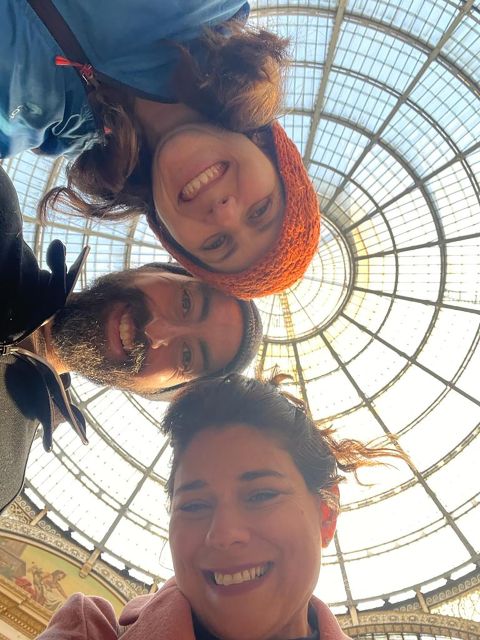
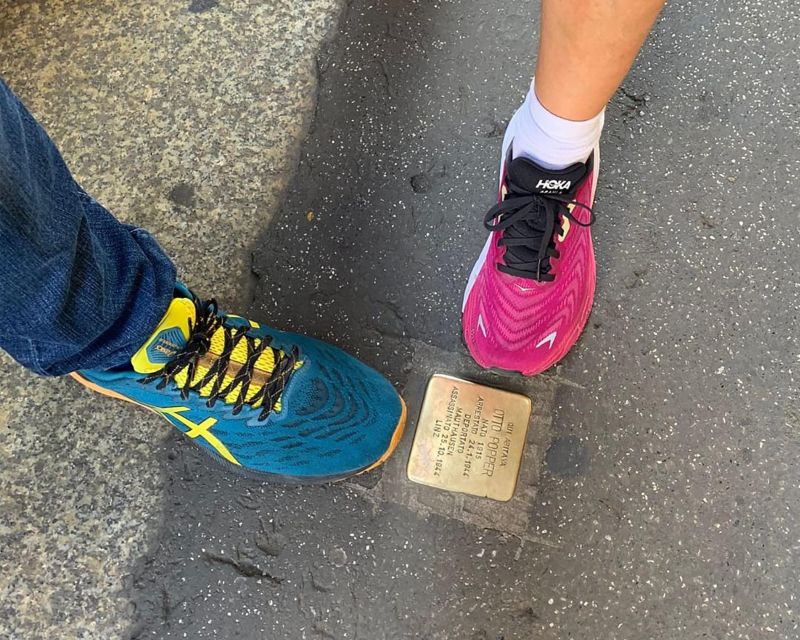
Along the walk, the tour follows remains of Judaism in Milan—interesting monuments and notable sites visible along the way. Even if you’ve never studied Italian Jewish history, the guide frames what you’re seeing so it clicks.
This is the section where you’ll probably feel the biggest shift from “I know the facts” to “I understand the context.” When the guide points out a street-side marker or a location connected to community life, it becomes clear that history isn’t only in museums. It’s also in the physical layout of a city and the places people returned to again and again.
Another practical benefit: you’ll be learning in a way that doesn’t require constant note-taking. The guide’s job is to give you a structure you can hold onto. Based on what I’d look for in a walking tour, that’s key—otherwise you end up with fragments.
Central Synagogue of Milano: The Main Stop and Entry Rules
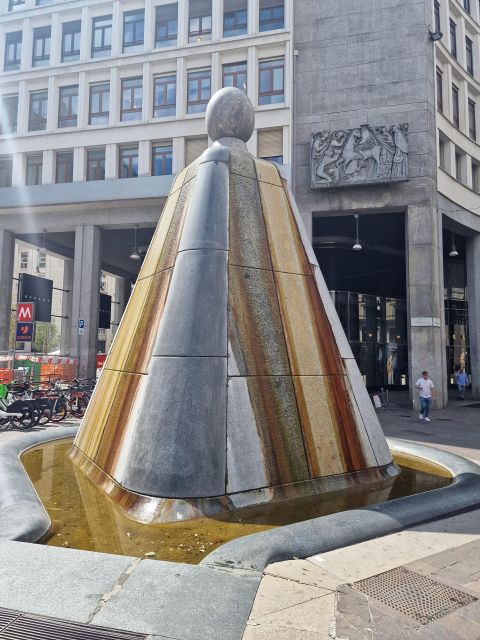
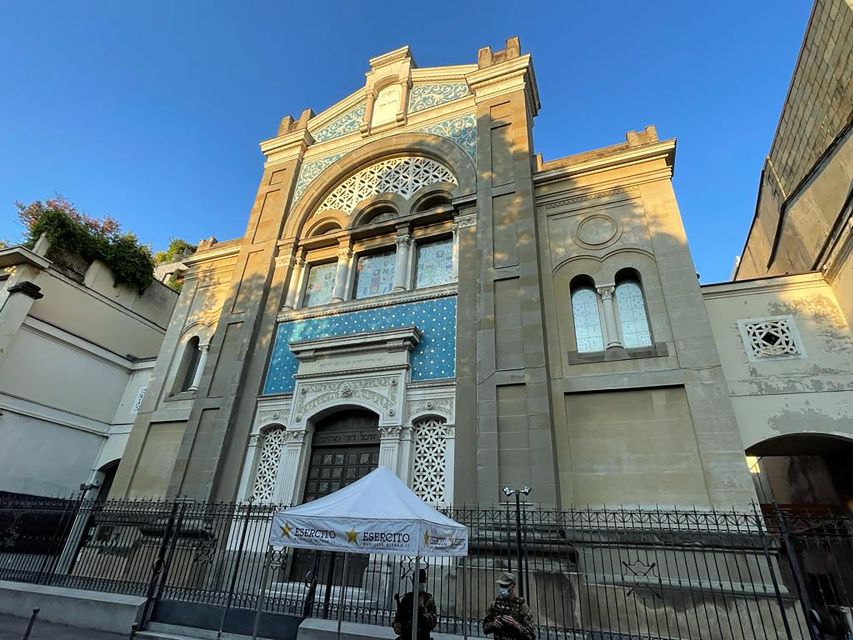
The tour’s centerpiece is Sinagoga Centrale di Milano (Central Synagogue of the City), located about a 10-minute walk from the Duomo. This stop is the payoff for the whole story, because it ties the historical narrative to a living religious landmark.
Here’s the important part: synagogue entry is with a donation of at least 10 euros per person. You need to coordinate entrance in advance with the tour team.
Two practical considerations:
- For last-minute bookings, entry to the synagogue can’t be guaranteed.
- If you want the interior visit, plan ahead and make sure the coordination step is handled before you arrive.
That donation requirement doesn’t make the experience feel “extra,” it actually makes it more respectful and grounded. You’re entering a working religious site, not just touring a backdrop.
If you’re thinking about accessibility, note that the tour includes wheelchair access overall. Still, religious sites can have their own on-the-ground realities. The best move is to flag any needs early during coordination, especially if you’re aiming for interior entry.
Duomo Area Timing: Why the Walk Ends Where It Does
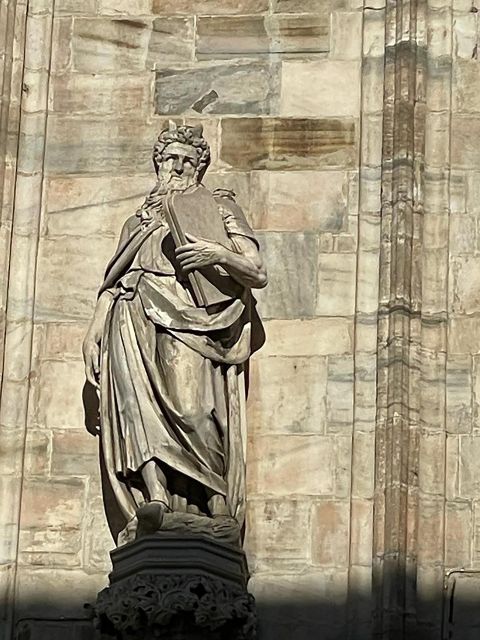
The synagogue’s position—near the famous Duomo—isn’t accidental. It lets you connect what you learned about Jewish life in Milan with one of the city’s most visited landmarks. Even if you don’t go into the Duomo itself, you’ll feel how central this part of Milan is.
By ending close to major sights, you gain flexibility. After the 2.5 hours, you can:
- continue exploring the historic center on your own
- grab a meal without complicated transit planning
- choose whether to add the Holocaust Museum option (see next section)
This “right location at the right time” strategy is one of those small travel wins that makes the day feel smooth instead of rushed.



Holocaust Museum Add-On: What’s Included vs What’s Not
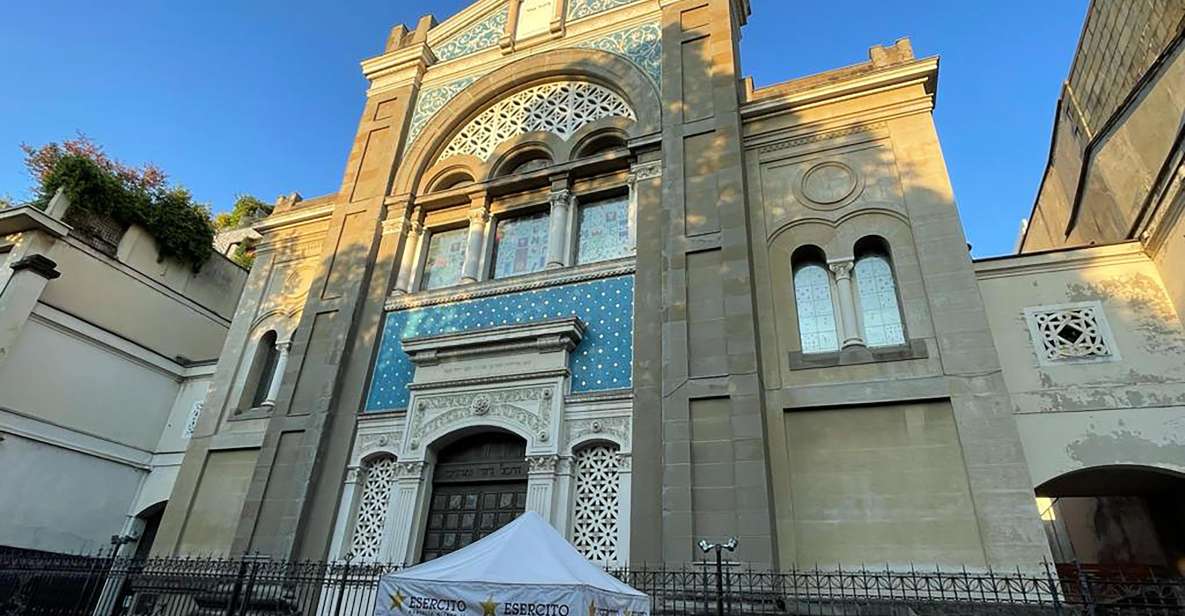
The tour mentions a Holocaust Memorial Site / Holocaust Museum possibility, but it’s handled differently than the synagogue.
Key points:
- The tour does not include a tour of the Holocaust Museum
- Entrance to the museum is independent
- If you want it, an additional arrangement can be made for an extra fee based on the museum’s opening hours
Museum entrance fees are listed clearly:
- 10 euros for an adult
- 5 euros for a child
- Free up to age 6
You can also download an audio guide in several languages, which can be a big help if you want to move through at your own pace.
One more detail that helps you plan your day: because the museum timing matters, it’s not the kind of add-on you should treat as guaranteed “after the tour.” Think of it as optional and time-sensitive.
If your goal is deeper context, adding the museum can turn the synagogue stop into a broader lens. If you prefer a lighter day focused mainly on the old quarter and community traces, you can skip it without feeling like you missed the main event.
Guide Quality and Group Size: When 2.5 Hours Doesn’t Drag
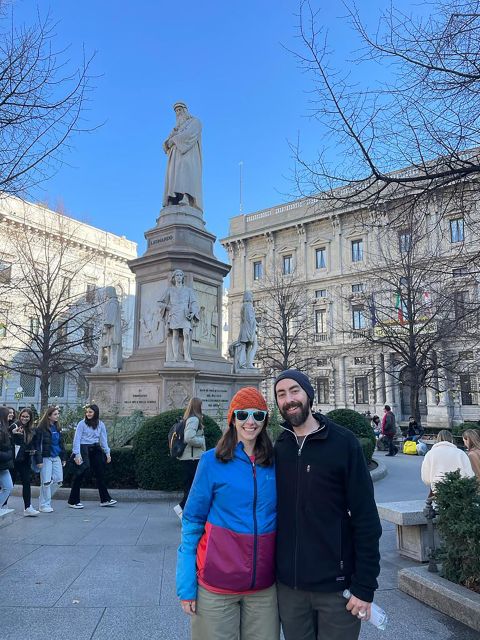
This tour runs with a small group limited to 8 participants. That size changes everything: you get more back-and-forth, and the guide can keep explanations tailored. It also helps in a walking tour because you’re less likely to get lost in a crowd.
One of the most praised aspects is the guide’s ability to deliver a lot of information clearly. Some of the feedback highlights an exceptionally well-informed guide and a kind, attentive approach. In one case, the guide was named Nuki, and the praise focused on both expertise and warmth, plus responsiveness to participant needs.
Why that matters to you: a tour about history can easily become lecture-style. When the guide keeps the pace and explains in a memorable way, it feels like a conversation while you walk.
You’ll also benefit from the guide’s lived-in local perspective. The tour is guided by either:
- a local Israeli artist, or
- an Italian Jewish journalist who lives in Milan
Either background can shape how they tell the story. You’ll likely hear more grounded details tied to how people understand this history today—not just how it happened.
Price and Value: What $113.29 Buys You
The price is $113.29 per person for a 2.5-hour walking tour. That’s not cheap, so the value question matters.
Here’s what you’re paying for, in practical terms:
- a small group experience (up to 8 people) rather than a big bus-style tour
- a local guide with either Israeli or Italian Jewish media/artist perspective
- a structured on-foot route that connects multiple periods in Milan’s history to Jewish community life
- a major anchor stop at the Central Synagogue area, with an entry donation requirement handled separately
- an organized learning style that aims to make the information easy to remember
Where you’ll want to watch value: synagogue entry and the Holocaust Museum are not simply included automatically in your base price. Synagogue entry depends on donation and advance coordination. The Holocaust Museum requires an independent entrance fee and can involve an extra arrangement cost for a guided component (with the tour itself not including the museum tour).
If you go into this expecting a history lesson plus a respectful, guided synagogue-focused experience, it’s easier to see the value.
For me, the best bargain signs are: small group size, high guide praise, and a route that teaches you how to read the city. If those are your priorities, you’ll likely feel the price is fair.
Practical Packing Tips for a Walking History Day
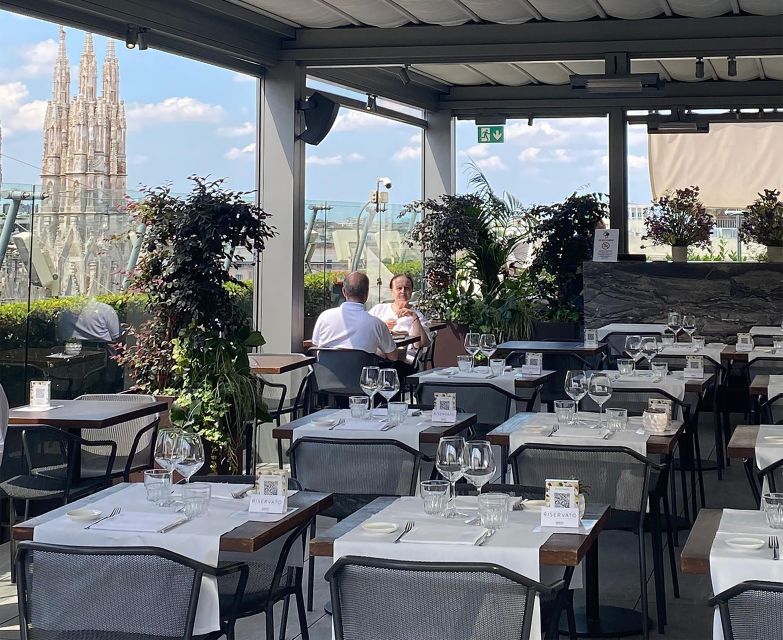
This isn’t a “bring three outfits” kind of tour. It’s mostly about being comfortable enough to walk and focus.
Think about:
- Weather: plan for rain or heat since you’re outside for 2.5 hours
- Shoes: you’ll be on foot through the old quarter
- Pace expectations: it’s designed to accommodate participants, but you’ll still cover distance
- Synagogue timing: if you want entry, treat advance coordination as part of the plan
If you’re also considering the Holocaust Museum, you’ll want to keep buffer time for museum hours and independent entry.
Should You Book This Milan Jewish Tour?
Book it if you want Milan’s Jewish history explained in a way that matches the city itself: walking the old quarter, learning why certain places matter, and ending at the Central Synagogue area. The strongest reason to book is the guide quality—clear explanations, a pace that works for different participants, and a local perspective that keeps the story grounded.
Pass or reconsider if you’re hoping for an always-guaranteed synagogue interior visit on a last-minute schedule, or if you don’t want separate museum planning. The synagogue donation and coordination steps are real, and the Holocaust Museum is a separate experience with its own timing and fees.
If your ideal day is thoughtful, human-scale history on foot, this tour fits well.
FAQ
What is the duration of the Milan Jewish Tour?
The tour lasts 2.5 hours.
Where does the tour start?
The meeting point is at LEGO, Corso Monforte, 2, 20122 Milano MI, Italy.
What languages is the tour offered in?
The live guide offers English, Italian, and Hebrew.
How many people are in the group?
The group is small, limited to up to 8 participants.
Is synagogue entrance included?
Synagogue entrance is not automatic. It requires a donation of at least 10 euros per person, and you need to coordinate entrance in advance. For last-minute bookings, entry cannot be guaranteed.
Is the Holocaust Museum included in the tour?
No. The tour does not include a tour of the Holocaust Museum. If you want to go, entrance is independent, and an additional arrangement may be possible for the right timing.
How much does the Holocaust Museum cost?
The museum entrance is 10 euros for an adult, 5 euros for a child, and free up to age 6.