REVIEW · MILAN
Milan: 4-Hour Art and History Private Walking Tour
Book on GetYourGuide →Operated by Segway Bike Walk Tour CITY GUIDED TOUR · Bookable on GetYourGuide
Duomo sights hit fast. A private Milan walk like this is interesting because you get a licensed art-history guide and can set the pace while still covering the core sights in the center. I love that Duomo access comes with the entrance fee included, and I also love the built-in headsets that make the commentary easy to catch. One drawback to plan for: dress code is required for places of worship, and luggage or large bags aren’t allowed.
This kind of private format is ideal when you want more than postcard facts. In the best case, you’ll get a guide who connects the landmarks to the bigger story of Italy and even points out curiosities that you would otherwise miss. For example, one guide named Emilio delivered clear, fluent French and made the history feel practical and human.
In This Review
- Key highlights you’ll feel on the walk
- Starting at the Galleria Vittorio Emanuele II: a smart Milan kickoff
- How a private 4-hour pace works in Milan (and why you’ll like it)
- Duomo inside and outside: the centerpiece you’ll understand better
- Galleria Vittorio Emanuele II: more than a pretty shopping corridor
- La Scala from the outside: seeing opera power without committing to tickets
- Brera district: art-school energy in a neighborhood you can read
- Sforza Castle: a duke’s residence you can imagine instantly
- Customizing your route: how to make the tour feel personal
- Price and value: what you’re really paying for
- Practical tips before you go (so the tour stays fun)
- Who should book this tour?
- Should you book this 4-hour Milan art-and-history private walk?
- FAQ
- How long is the Milan Art and History private walking tour?
- Is the Duomo Cathedral entrance included?
- Where do we meet and where does the tour end?
- Is this tour private?
- What sights are typically included in the center route?
- Are headsets provided?
- What languages are available?
- Is the Last Supper included?
- What’s the dress code for the tour?
- Can I cancel and get a full refund?
Key highlights you’ll feel on the walk
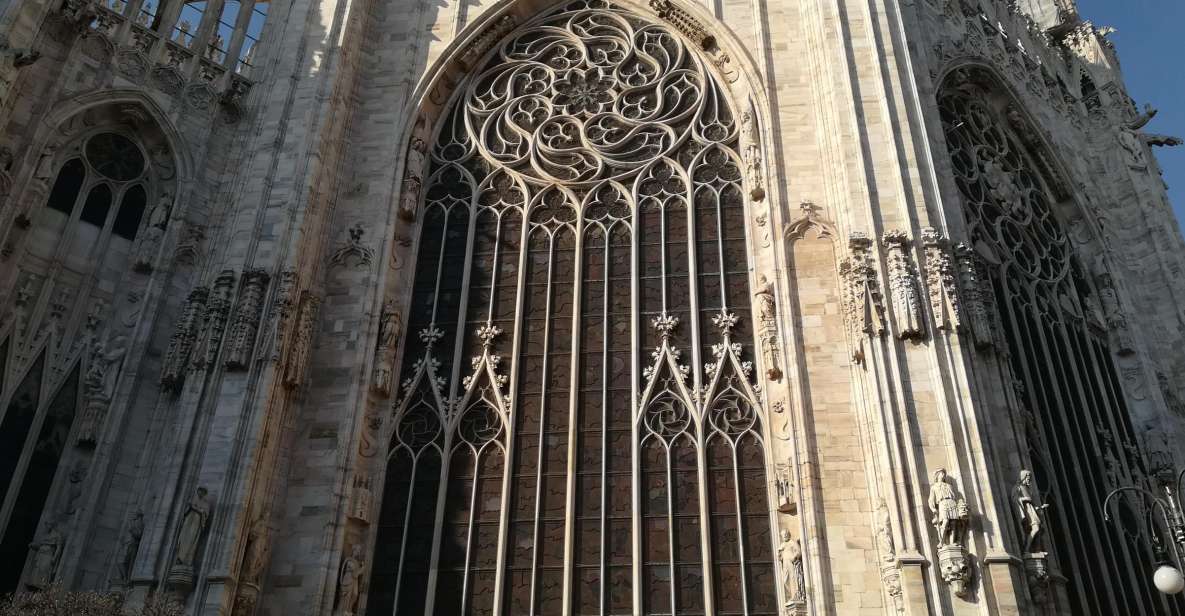
- Duomo entrance included so you skip the ticket hassle and spend time where it matters
- Private group (up to 4) means you can slow down, ask questions, and keep your footing in busy streets
- Headsets for better listening, a small thing that saves a lot of frustration
- A guide with art-history training who can explain what you’re actually seeing
- A center highlights route: Duomo, Galleria, La Scala (outside), Brera, and Sforza Castle
Starting at the Galleria Vittorio Emanuele II: a smart Milan kickoff
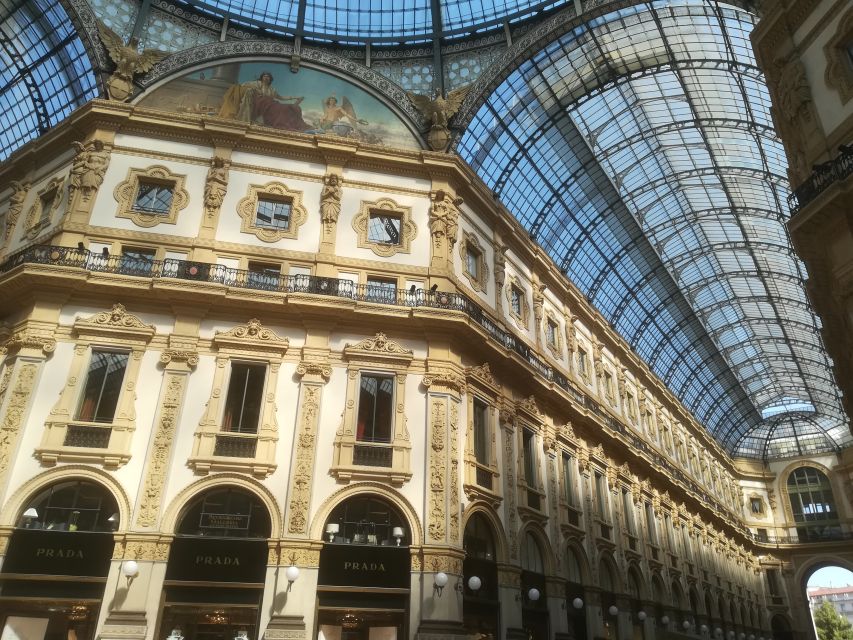
Your tour begins at a very recognizable place: the entrance under the lodge of the Galleria Vittorio Emanuele II, at the corner with piazza del Duomo (20121 Milano). It’s a good choice because you’re immediately in the “meet the city” zone. You’re not shuttled out to some distant stop. You’re standing at the edge of the sights you came for.
If you’re trying to beat first-day confusion, this start helps. You can walk into the rest of the center with a clear mental map: Duomo area first, then the arcades, then the theater district, and onward toward Brera and Sforza. And since the tour ends back at the meeting point, it’s easier to plan lunch or a next stop without re-orienting yourself.
One practical note: the meeting point is tied to the Galleria entrance location, not a hotel lobby or a random street corner. If you’re navigating by phone, double-check you’re on the piazza del Duomo side so you don’t waste time “circling” the block.
You can also read our reviews of more walking tours in Milan


How a private 4-hour pace works in Milan (and why you’ll like it)
A lot of walking tours feel like a race with talking. This one doesn’t. Because it’s private, you can match the walk to your group’s energy level. If your group is slower, you can take more time at a viewpoint or ask for deeper explanations. If you’re faster, you can keep moving without feeling like you’re delaying a big group behind you.
That flexibility matters in Milan because you’re mixing big architectural landmarks with dense neighborhoods and tight streets. A shared guided tour can force everyone to keep the same rhythm. Here, the guide can adjust. And the headsets help a lot with that. When you’re near crowds or inside echoing spaces, normal voices can disappear. With headsets, you can focus on listening instead of constantly asking What did they say?
What you should watch for: 4 hours goes quickly when everyone wants photos and when the route includes multiple major stops. You’re covering real highlights, so if you want long museum-style time inside every building, this might feel short. The upside is that you’ll still get a meaningful, well-paced overview.
Duomo inside and outside: the centerpiece you’ll understand better
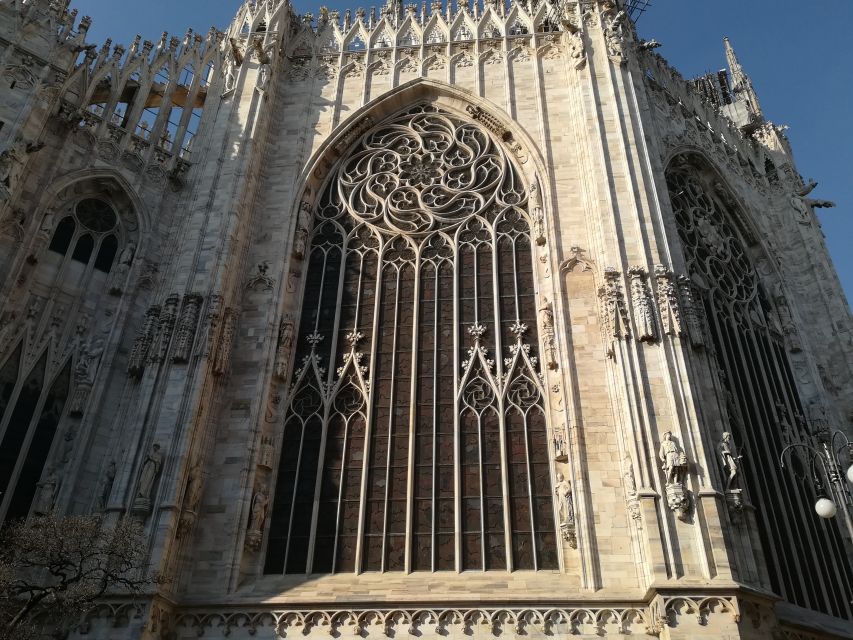
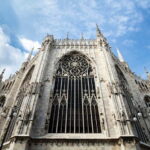
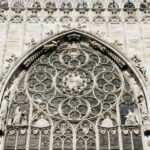
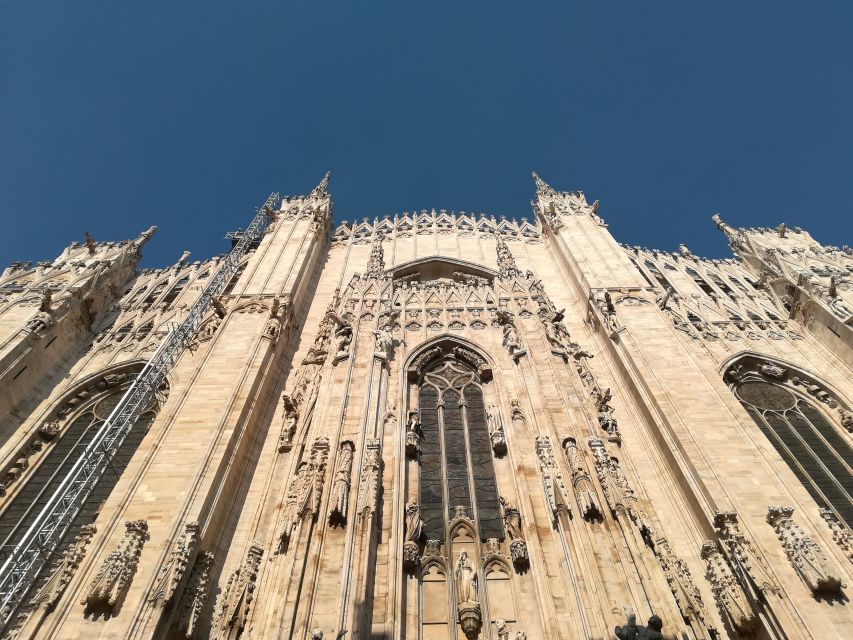
The best part of this tour, for most people, is the Duomo Cathedral stop. It’s included in a big way: you get both outside and inside, and the entrance fee is part of your price. You also get help skipping the ticket line, so your time goes to seeing rather than waiting.
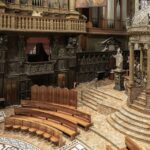
Inside the Duomo, the value is not just the view. It’s the interpretation. A licensed guide with art-history background can point out the details that make the cathedral one of the most richly decorated in the world. You’ll also understand why it looks the way it does, which changes the experience from I saw it to I get why it’s important.
Outside matters too. The cathedral’s shape and position dominate the piazza area, and it’s where you can get that “Milan is here” feeling fast. If you only ever look up at the skyline, you miss how the cathedral frames the entire city center. The guided structure helps you connect the exterior to what you later see indoors.
Dress code is the big practical consideration. Places of worship require covered shoulders and knees. That means no shorts and no sleeveless tops for either men or women. If you ignore this, you risk being refused entry. Plan your outfit accordingly. It’s one of those rules that you don’t want to find out the hard way.
Galleria Vittorio Emanuele II: more than a pretty shopping corridor
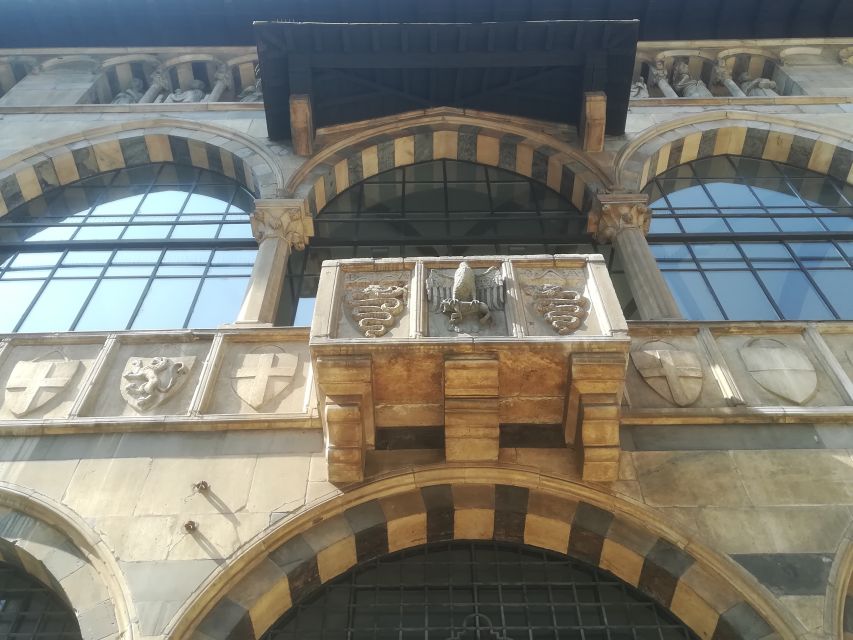
From the Duomo zone you head to the Victorio Emanuele II shopping arcade. Even if you’re not shopping, this stop is worth it because it’s an architectural “bridge” between eras. The tour frames it as a predecessor of modern shopping malls, and that idea actually helps you look at it correctly: it’s not just where people walk. It’s a design concept.
You’ll notice how the arcade directs movement, gives you shelter from weather, and creates a sense of indoor-outdoor flow. It also works as a practical pause. It’s a calmer pocket compared with the open piazza, so you can gather your thoughts, adjust your walking pace, and keep listening to the guide without competing with as much street noise.
If your group loves design and wants to understand city planning, this is a good place to ask questions. The guide can connect the arcade’s role to the broader “Milan center” layout you’re experiencing.
Also, because your tour is private and equipped with headsets, you can actually hear the explanation while you’re walking through rather than stopping completely or falling behind.
La Scala from the outside: seeing opera power without committing to tickets
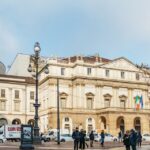
You’ll also see La Scala theater, but from the outside. That detail is important: you’re getting the iconic exterior view and context, not an inside theater visit. For first-time visitors, that’s usually the right move. You get the significance of the building and the story of why it matters, while still keeping the tour moving.
The guide connects it to opera culture: La Scala is Milan’s opera house, and it’s where top opera performances happen. Even if opera isn’t your main thing, the exterior still helps you understand why this part of town carries cultural weight.
A fair consideration: if you were hoping for an inside tour of La Scala, this package won’t do that. The tradeoff is that you gain time for other stops like Brera and Sforza, which broaden the picture beyond just one famous venue.
You can also read our reviews of more private tours in Milan




Brera district: art-school energy in a neighborhood you can read
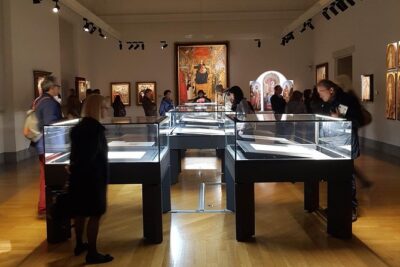
Brera is next, and the tour focuses on why it’s special: the Academy of fine arts and its students shape the area. That gives you a lens for what to look for as you walk. You’re not just seeing streets and facades. You’re trying to spot the “why” behind the creative atmosphere.
This is also one of the easiest parts of Milan to enjoy without rushing. The streets feel more like a neighborhood than a monument corridor. If you like walking with a purpose, Brera gives you both. The guide can link the educational presence to the kind of creative energy people associate with this part of town.
What to watch: Brera can tempt you into wandering. With a private tour, that’s possible, because you can personalize the route if you’ve got specific places you want to include. Just remember you have a 4-hour total, so don’t let a side street turn into a full day.
Sforza Castle: a duke’s residence you can imagine instantly
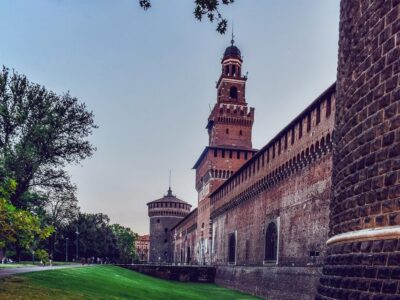
The tour includes Sforza Castle, described here as the luxury residence of Milan’s dukes. Even without a deep dive into rooms (nothing is promised about interior access in the info you have), the stop still matters. Castles and palace buildings are often less about one specific moment and more about the power structure behind the city.
You’ll see how the idea of prestige and control physically anchors the city. That context makes earlier stops feel more connected. If you’ve only visited Milan as a shopping and cathedral city, Sforza adds the political and historical “backstage” layer.
This is also a good stop for photos and for a breather. After several center sights, it helps to pause at a location that gives you a different kind of visual rhythm.
Customizing your route: how to make the tour feel personal
One of the real advantages of this format is that it’s not locked into one rigid script. You can personalize your tour to visit places you’ve always wanted to—just let the supplier know beforehand.
That matters if you’ve got one or two “musts,” like a specific church you heard about or a particular street for architecture. It also matters if your group has mixed interests. Maybe someone in your group is most excited about art, while someone else cares more about the city’s layout and key landmarks. A private guide can balance that.
Still, keep expectations realistic. You’re dealing with a 4-hour window and you have an included Duomo visit. So your best results come from thinking like this: choose one or two personalized additions, not five. That keeps the pacing smooth and prevents everyone from feeling like they’re sprinting at the end.
Price and value: what you’re really paying for
The price is $215.24 per group up to 4, for a total duration of about 4 hours (starting times vary by availability). On the surface, that number looks like a “private tour premium.” But here’s the value logic:
- You’re paying for a licensed guide with art-history training, not just someone who knows the landmarks.
- The tour includes the Duomo entrance fee and you skip the ticket line for that main stop.
- You get headsets, which are a practical quality-of-life upgrade in a busy sightseeing area.
- The private setup lets your group move at your pace, which reduces the stress of feeling pushed along.
If your group has the maximum four people, the effective cost is about $54 per person. For that, you’re getting a guided route that covers the center highlights plus Duomo entry, with flexibility. If you’re only two people, it still can be good value compared with booking separate tickets and trying to piece together commentary on your own—especially if you want context, not just “see that building.”
Practical tips before you go (so the tour stays fun)
Here’s how to keep things smooth:
- Wear the right outfit for worship spaces: covered shoulders and knees, no shorts, no sleeveless tops. You can risk refused entry if you don’t comply.
- Skip bulky plans: luggage or large bags aren’t allowed. Travel light for this one.
- Bring curiosity, not a checklist: this is a guided walk focused on art and history interpretation, including the kind of details you might otherwise miss.
- Plan food separately: food and drinks are not included, and the tour is designed for walking and viewing, not meals.
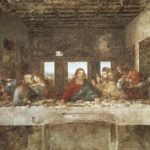
- Don’t rely on a Last Supper save: tickets for the Last Supper are not included, and you can’t buy them last minute.
Finally, remember there are languages offered: English, French, and Italian. If your group has a language preference, match it in advance so you get the smoothest experience.
Who should book this tour?
Book it if you fit one of these profiles:
- You’re in Milan for the first time and want a strong center overview with meaningful context.
- Your group prefers a private pace instead of marching with strangers.
- You care about art history and want your guide to explain what you’re seeing, not just point things out.
- You want a manageable 4-hour format that hits major landmarks: Duomo, Galleria, La Scala (outside), Brera, and Sforza Castle.
It may not be the best fit if your top goal is long interior visits everywhere, or if you need lots of downtime. This tour is built for walking and learning efficiently.
Should you book this 4-hour Milan art-and-history private walk?
If you want to understand Milan’s most famous sights without feeling rushed, I’d book it. The combo of Duomo entry included, headsets, and a licensed art-history guide turns a simple walk into a more satisfying experience. Plus, a guide like Emilio—whose explanations were praised for clear French and history-rich context—shows how much better the city feels when someone connects the dots.
Just go prepared for the practical stuff: dress code matters, and your group should keep bags minimal. If you do that, you’ll finish the tour with better bearings and a clearer picture of what you just saw.
FAQ
How long is the Milan Art and History private walking tour?
It lasts 4 hours.
Is the Duomo Cathedral entrance included?
Yes. The Duomo entrance fee is included, and you also skip the ticket line for the visit.
Where do we meet and where does the tour end?
You meet at the entrance under the lodge of the Galleria Vittorio Emanuele II at the corner with piazza del Duomo (20121 Milano). The tour ends back at the meeting point.
Is this tour private?
Yes, it’s a private group tour (up to 4 people).
What sights are typically included in the center route?
It typically includes Duomo (inside and outside), the Victorio Emanuele II shopping arcade, La Scala from the outside, Brera district, and Sforza Castle.
Are headsets provided?
Yes, headsets are included to help you hear the guide better.
What languages are available?
The live guide is available in English, French, and Italian.
Is the Last Supper included?
No. Tickets for the Last Supper are not included, and it won’t be possible to buy them last minute.
What’s the dress code for the tour?
You need to follow the dress code for places of worship: no shorts and no sleeveless tops. Knees and shoulders must be covered for both men and women.
Can I cancel and get a full refund?
Yes. Free cancellation is available up to 24 hours in advance for a full refund.