REVIEW · MILAN
Skip the Line: Last Supper Tour in Milan
Book on Viator →Operated by Wanderinitaly · Bookable on Viator
You can’t really prepare for that wall. This skip-the-line Last Supper tour takes the stress out of Milan’s biggest must-see, and pairs your visit with an art historian’s explanation so you know what you’re looking at. The main catch: museum rules keep the time in front of The Last Supper to about 15 minutes, plus strict security checks.
I like how this is built for real-world touring: a short, focused session starting at Leonardo’s Last Supper Museum, then right into the visit with tickets in hand. You’ll also get context about Leonardo da Vinci and the Renaissance under Milan’s Duke Ludovico il Moro, not just a quick pointing-and-praying experience. Bags and food are not allowed inside, so you’ll want to travel light.
If you’re visiting Milan with limited time (or you want your bucket list box checked fast and well), this is a smart way to do it. I’d only think twice if you’re hoping for a long, slow, self-guided wander once you enter—this place runs on tight conservation schedules.
In This Review
- Key things to know before you see Leonardo’s Last Supper
- Meeting at Leonardo’s Last Supper Museum: what the start feels like
- The Renaissance briefing that makes the painting click
- Skip-the-line entry and the museum reality check at Santa Maria delle Grazie
- Your time in front of The Last Supper: how to use 15 minutes well
- How the church and UNESCO setting changes what you think you saw
- Group size, headsets, and what good guidance actually does
- Price and value: what you’re paying for (and what can feel short)
- Who should book this Last Supper skip-the-line tour?
- Quick practical checklist before you go
- Should you book it?
- FAQ
- How long is the Last Supper tour?
- Is the tour offered in English?
- Where do we meet for the tour?
- How much time do I get to view The Last Supper?
- Does the tour include admission tickets?
- Are headsets provided?
- What should I bring for entry?
- Are bags, food, and drinks allowed inside the museum?
- Can small children join?
- Is there a free cancellation option?
Key things to know before you see Leonardo’s Last Supper
- Skip-the-line access helps you avoid the worst of the waiting while still following museum controls
- Art historian guidance gives you the Renaissance story behind what you’re seeing
- Headsets are included (especially helpful if your group is over 5) so you don’t miss details
- Security is strict: bags of any size plus food and drinks are not allowed inside
- Controlled viewing time means you’ll get focused time at the mural, not a long linger
- Small maximum group size (34 people) keeps the experience from turning into a human wave
Meeting at Leonardo’s Last Supper Museum: what the start feels like
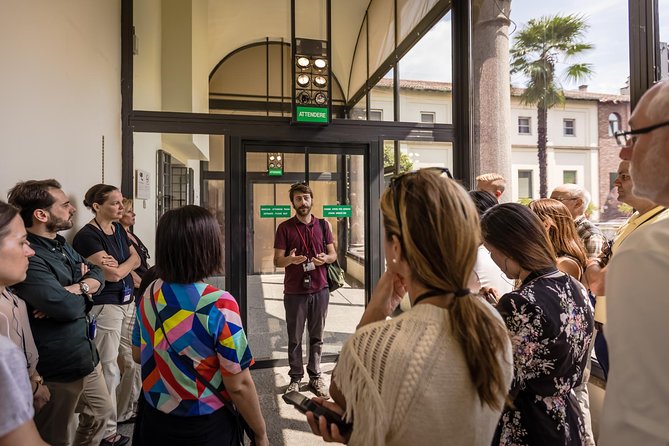
Your tour begins at Piazza di Santa Maria delle Grazie 2, right by Leonardo’s Last Supper Museum. It’s central and near public transportation, which matters here because you don’t want to arrive frazzled and late. Plan to be there a bit early so the check-in rhythm doesn’t throw off your whole start.
Once you spot your guide outside, you’ll gather as the group forms. If you’re in a larger group, headsets are available to help you hear the guide clearly without leaning or straining. In practice, that’s a big deal at the start, because this tour depends on you understanding the story before you reach the wall.
Also note the “practical parent” detail: children up to age 1 don’t need a reservation if they’re carried by a parent and enter without a stroller. That’s useful if you’re traveling with a tiny one, but it’s still smart to keep expectations realistic given the strict museum process.
You can also read our reviews of more tours and experiences in Milan
The Renaissance briefing that makes the painting click
Before you enter, your guide sets the scene with a clear introduction to The Last Supper—and to the Renaissance period in Italy that produced works like this. You’ll learn why the Duke of Milan, Ludovico il Moro, commissioned Leonardo, and how that Milanese court shaped the kind of art Leonardo created there. It’s the kind of context that changes your viewing from “pretty famous painting” into “oh, I get why it’s done like this.”
Leonardo da Vinci’s influence in Milan comes up a lot, because his legacy is part of the city’s everyday identity. Your guide ties that presence to the painting and its setting, so the visit feels connected instead of random.
I also like that guides are coming in with a real art-lecture mindset. In similar tours, guides such as Sylvia, Maham, Jada, and Giada have been praised for giving detailed explanations and for talking with passion about Leonardo’s choices. That’s a good sign because the museum experience is short—you’ll want your information front-loaded.
One more practical thing: the guide’s job here is to tell you what to look for before you’re in a room where you can’t take your time figuring it out. If you’re the type who likes to understand symbolism, perspective, and the intent behind brushwork, this prep phase is where the value hides.
Skip-the-line entry and the museum reality check at Santa Maria delle Grazie
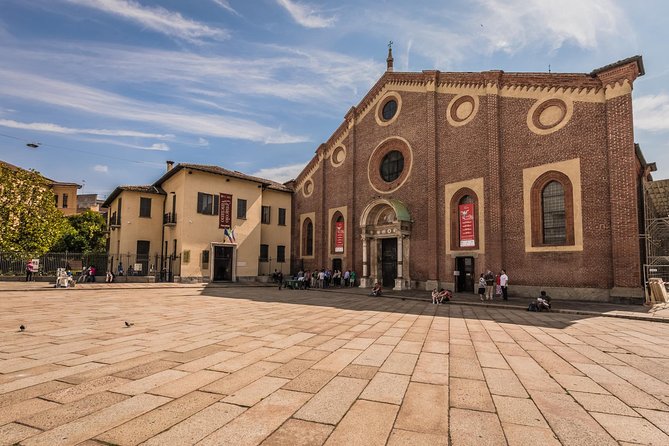
Yes, this is a skip-the-line tour. In the real world, though, you’re still entering a highly controlled site. Expect security procedures and entry rules that can feel intense if you’re used to casual museum browsing.
Here’s what you need to know upfront:
- You must bring a valid ID document for entry
- Bags of any size are not allowed inside the Last Supper museum
- Food and drinks are also not allowed inside
That means the best approach is to travel light: small day bag or whatever you can manage without becoming “that person” at the security gate. If you arrive with lots of stuff, you’ll lose time sorting it out.
The museum also enforces a tight viewing window to protect the artwork. So even though you might feel like you blinked and suddenly you’re in front of the mural, that’s intentional. The controlled rooms and timed access help preserve the painting, but they also explain why this tour doesn’t turn into a 45-minute stare-fest.
Your time in front of The Last Supper: how to use 15 minutes well
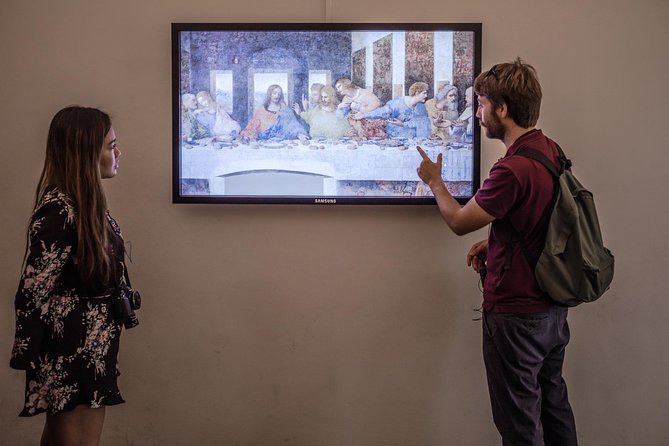
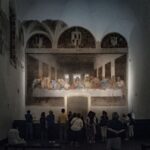
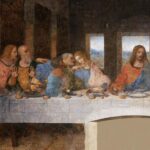
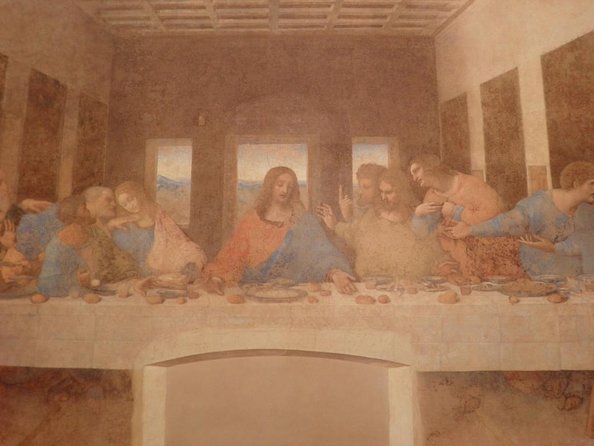
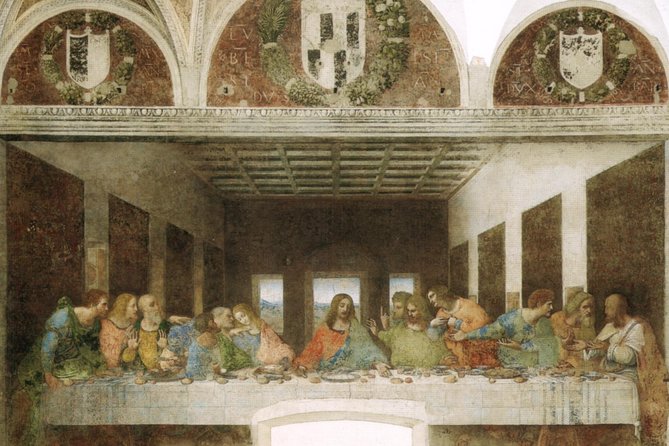
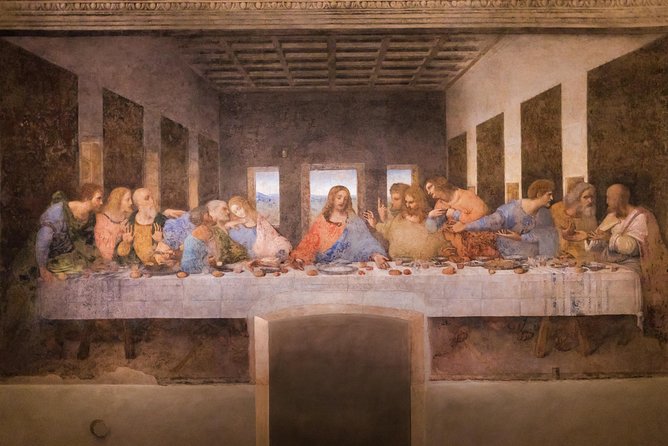
The star moment is The Last Supper at Il Cenacolo, inside the church complex of Santa Maria delle Grazie. You’ll spend at least 15 minutes directly viewing the mural, and the whole point is to slow down your brain just enough to see the details.
Spend your time like this:
- Look first at the overall composition—how the scene is arranged.
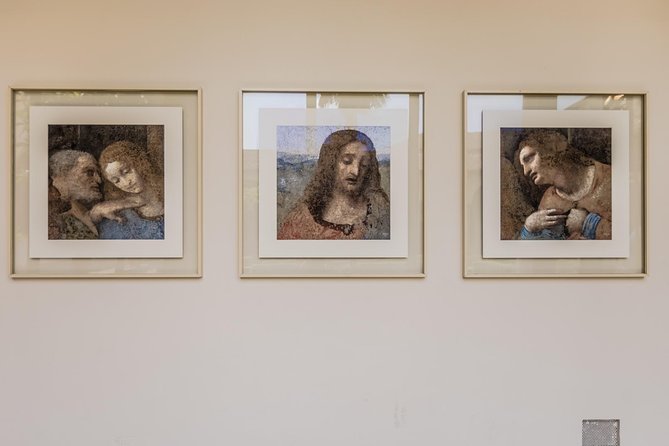
- Then scan faces and expressions, because that’s where the emotional contrast lives.
- Finally, glance at hands and gestures, since the scene’s energy comes through those small movements.
You might be tempted to take photos immediately, and photos can be a nice souvenir. But if you only get a short window, prioritize what you can see clearly in person first. This is one of those works where the “bigger than expected” reaction is real, because the viewing experience is set up to be direct and focused.
Also keep your expectations calibrated. Some people have felt the time wasn’t exactly what they hoped for, especially if the visit ends promptly right when the museum says it must. That doesn’t make it a bad tour; it makes it a conservation-driven one. Your best move is to treat the 15 minutes as the feature, not as “waiting time plus a quick look.”
And one more detail that’s quietly important: the group size is capped at 34. That helps with photo access and makes it easier to see without everyone pressing forward at once.
How the church and UNESCO setting changes what you think you saw
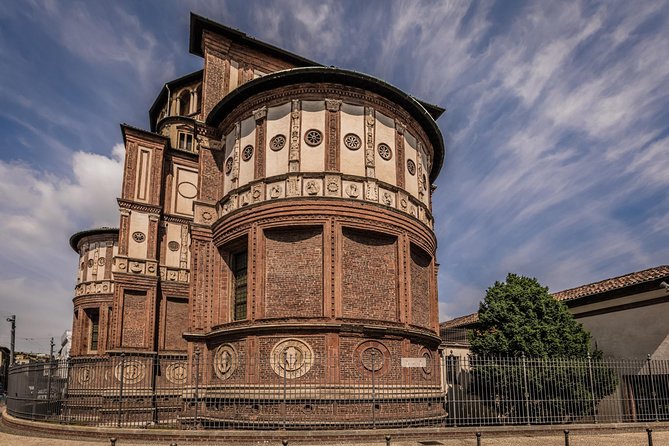
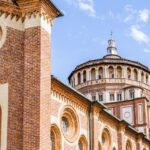
This mural isn’t sitting alone like a freestanding masterpiece. It’s housed at Santa Maria delle Grazie, a UNESCO World Heritage Site, and that context matters.
Your guide links the painting to the Renaissance environment around it—specifically the Milanese Renaissance and the court sponsorship that brought Leonardo into the spotlight. You’ll hear the story of how the Duke presided over that period and how the commission fit into Milan’s cultural ambitions.
This part is worth it even if you think you’re only there for the painting. The church setting gives the work its “why here” logic. Without that, The Last Supper can feel like a random famous image on a wall. With the context, it becomes a snapshot of power, faith, and art-making at a specific moment in time.
There’s also a bigger practical implication: because the museum controls access tightly, you shouldn’t count on exploring other areas at length as part of this tour. If you’re hoping to roam the whole basilica complex, this experience is best treated as a guided route to the mural and its core story.
Group size, headsets, and what good guidance actually does
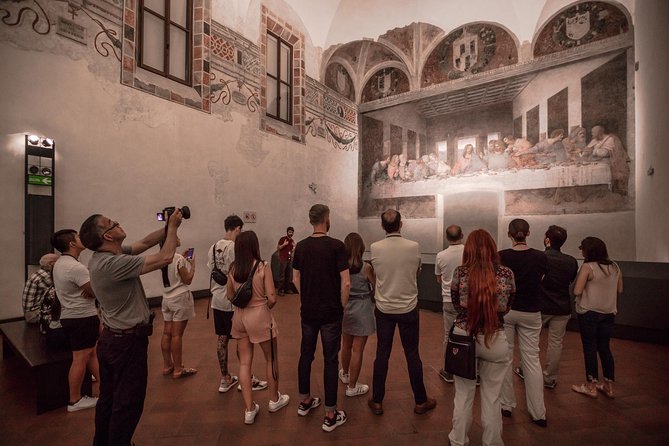
This tour is designed for clarity. If your group is more than 5 people, you’ll have headsets to hear your guide. In a place like this—where people shuffle, whisper, and constantly shift position—good audio makes a difference.
Guides are typically art-leaning, and the feedback on guides like Sylvia, Maham, Jada, and Giada points to a consistent strength: they’re not just naming facts. They’re guiding you to notice. That’s the difference between standing in front of a famous image and understanding what you’re seeing.
One fair warning: the tight structure can feel a bit “managed,” especially if you’re hoping for quiet contemplation time with no talking. Some people love the constant narration; others want more room to absorb without commentary. If you fall into the second group, just know this tour trades solitude for meaning and speed.
Price and value: what you’re paying for (and what can feel short)
The big value here is not just the skip-the-line ticket. It’s the combination of:
- an art historian guide
- admission included for the experience
- headsets for clear listening
- a streamlined, time-efficient visit that works with conservation rules
That said, the tour’s pricing can feel tough if you measure value only by minutes staring at the mural. The core viewing is limited, and the rest of the time goes to explanation, ticket handling, and controlled entry.
One family shared that the cost felt high relative to the viewing time (they mentioned paying $188 for 2 adults and 1 child), which matches the reality: you’re not buying a long visit. You’re buying an efficient, guided way to see a world-famous painting without wasting hours in line.
So I’d think of this as a “time is limited, I want it done well” purchase. If you have an extra day and love slow museums, you might choose a different approach. If you have one shot in Milan and want the most useful 45 minutes possible, this tour makes sense.
Who should book this Last Supper skip-the-line tour?
This is best for:
- you if The Last Supper is a priority and you want minimal line stress
- you if you enjoy art context (Renaissance, Leonardo, patrons like Ludovico il Moro)
- you if you want guidance so you don’t spend your one chance guessing what matters
- families with older kids or parents with infants carried without a stroller
It’s less ideal if:
- you want long, unstructured time in the building
- you hate security rules and timed museum access
- you’re traveling with lots of bags and don’t want to downsize
If you’re the kind of person who loves “show me what to notice,” you’ll probably feel very satisfied when the mural comes into view.
Quick practical checklist before you go
- Bring your ID
- Plan to travel light: no bags of any size inside and no food/drinks
- Wear comfortable shoes. You’ll be moving through the site and waiting briefly as groups assemble
- If you’re photo-focused, remember your time is capped and decide what matters most to you
Should you book it?
I’d book this tour if your Milan trip includes The Last Supper as a top item and you want a clean, efficient path into the mural room with strong guidance. The skip-the-line setup plus an art historian introduction is the best way to turn a brief viewing window into something memorable and meaningful.
Don’t book it if your main goal is quiet wandering and you’re hoping for a long, slow visit. This experience is short by design, and the museum’s rules run the show.
If you want a confident decision: pick it when time is tight, you want context, and you’re ready to make those 15 minutes count.
FAQ
How long is the Last Supper tour?
The tour runs for about 45 minutes.
Is the tour offered in English?
Yes, it is offered in English.
Where do we meet for the tour?
Meet at Leonardo’s Last Supper Museum, Piazza di Santa Maria delle Grazie, 2, 20123 Milano MI, Italy.
How much time do I get to view The Last Supper?
You should plan on at least 15 minutes in front of the painting.
Does the tour include admission tickets?
Yes. Admission tickets are included as part of the experience.
Are headsets provided?
Yes. Headsets are available to help you hear the guide clearly if your group is more than 5 people.
What should I bring for entry?
You must bring a valid ID document (the original document) for the Last Supper visit.
Are bags, food, and drinks allowed inside the museum?
No. Due to security measures, bags of any size, as well as food and drinks, are not allowed inside the Last Supper Museum.
Can small children join?
Most travelers can participate. For the Last Supper visit, children up to age 1 do not need a reservation if they are carried by a parent and enter without a stroller.
Is there a free cancellation option?
Yes. You can cancel for free up to 24 hours in advance for a full refund.