REVIEW · MILAN
The art of the Italian Aperitivo with a local: Learn & Enjoy in Milan
Book on Viator →Bookable on Viator
Aperitivo lessons beat restaurant meals. In Milan, this home-hosted class lets you learn the Cesarine way to build a proper pre-dinner spread with five Lombardy nibbles and drink pairing. You get a real “this is how we do it” evening, not a scripted food show.
I especially like how practical it feels: you’re not just tasting, you’re learning how to put the bites together so the whole table makes sense with the drink. I also like the local context you get from your host, including how food habits in Lombardy can feel different from other parts of Italy.
One caution: start details can matter more than you expect. In at least one past experience, the meet-up coordination got messy, so it’s smart to double-check where you’re supposed to be right before 6:00 pm and stay flexible if anything shifts.
In This Review
- Key reasons this Milan aperitivo works
- Stepping into a Milan home at the aperitivo hour
- Meet your Cesarine host and settle in
- The 2-hour plan: prep, pair, and eat five Lombardy nibbles
- First, you get the aperitivo framework
- Then, you tackle five appetizers built from local ingredients
- Last, you put it all together and enjoy the result
- What you’ll learn about Milan and Lombardy food habits
- Drinks and pairing: wines of the territory and typical aperitivo moves
- Recipes you can recreate at home, without turning it into a project
- Price and value for a private, 2-hour home experience
- Who this Milan aperitivo lesson suits best
- A quick note on timing and coordination
- Should you book this Milan aperitivo with a local?
- FAQ
- How long is the Italian aperitivo with a local in Milan?
- What time does the experience start?
- Is this a private experience?
- What will I prepare during the class?
- Will I receive a ticket on my phone?
- Can I cancel for a full refund?
Key reasons this Milan aperitivo works
- A Cesarine cook in their own home: certified home cooks guiding you with local rhythm, not just a demo kitchen
- Five appetizers designed for aperitivo time: not random snacks, but a set that builds the full pre-dinner mood
- Local ingredients from Lombardy: you’ll see how the region’s flavors shape what ends up on the table
- Pairing taught, not guessed: you learn how to match the bites to your aperitivo drink
- Regional wines and typical drinks: the host offers wines from the territory
- A small, private group format: your evening stays focused and conversational
Stepping into a Milan home at the aperitivo hour
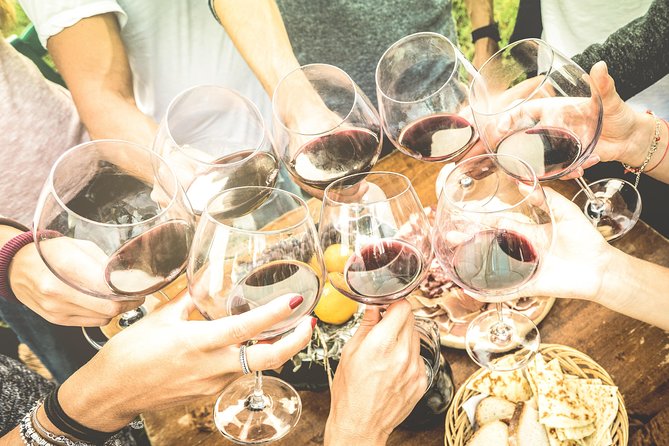
Milan aperitivo is not a late-night party idea. It’s an early-evening ritual: you slow down, you drink something refreshing, and you snack while the city wakes into evening mode. This experience leans into that tradition by bringing you into a Cesarine cook’s home, where food feels like daily life rather than a performance.
If you like cooking lessons, you’ll probably enjoy this. If you like food culture, you’ll enjoy it too. The goal is simple: learn how to build a Milan-style aperitivo and understand why the pieces fit together. And because it happens in someone’s home, you get a softer, more human pace—fewer crowds, less noise, more conversation.
You’ll also start at a very specific time: 6:00 pm. That matters. Aperitivo is about timing. Go too late and it stops feeling like aperitivo and starts feeling like dinner prep. Go at the right hour and it feels like Milan: easygoing, social, and practical.
You can also read our reviews of more tours and experiences in Milan.



Meet your Cesarine host and settle in
Your evening starts back in Milan, with the activity ending at the same meeting point. You’ll be near public transportation, which helps if you’re pairing this with other Milan plans.
Then comes the most important part: your host. Cesarine is Italy’s first national network of certified home cooks. The whole point is preserving and sharing real regional culinary habits, not just generic Italian cooking. Your host shares what Milanese food looks like in day-to-day life, including how Lombardy’s ingredients and preferences can differ from other Italian regions.
In past experiences, the hosts have been friendly and informative, and at least one host named Debora brought a relaxed, welcoming vibe while teaching. That kind of personality turns a lesson into an evening you remember, not homework you rush through.
You should treat this like a shared table, not a classroom. Ask questions. Mention your own tastes. If you’re curious about what goes with what—ask. You’re there to learn how the aperitivo logic works.
The 2-hour plan: prep, pair, and eat five Lombardy nibbles
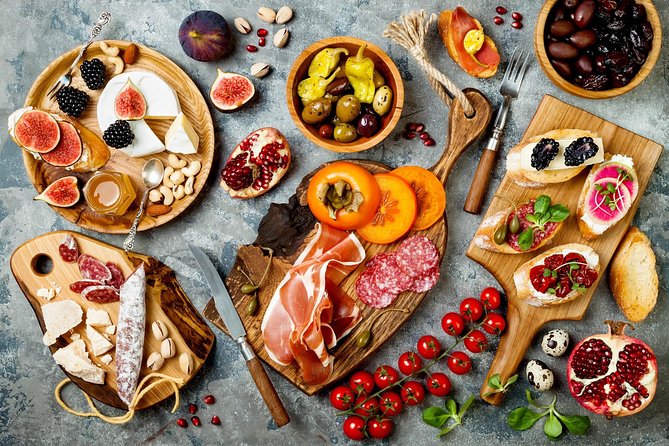
This experience runs about 2 hours. That sounds short, but aperitivo cooking is fast by nature: you’re working with crowd-friendly bites, and you’re aiming for a spread that looks good and tastes varied.
Here’s the flow you can expect:
First, you get the aperitivo framework
You’ll learn what makes a Milan aperitivo feel right: the idea of balance across the plate. A good spread mixes textures (crisp, tender, creamy), flavors (salty, bright, slightly bitter), and “temperature logic” (some bites are best warm, some can be set out and still work).
Your host also helps you match that spread to the drink. That’s the core skill here. Aperitivo isn’t only about the glass. It’s about how the table supports the sip.
Then, you tackle five appetizers built from local ingredients
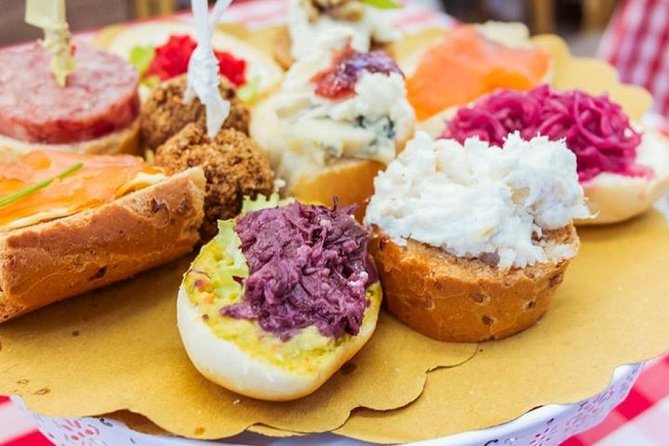
You’ll prepare five nibbles with traditional Lombardy ingredients. The exact lineup can vary, but the kinds of things you can expect include examples like:
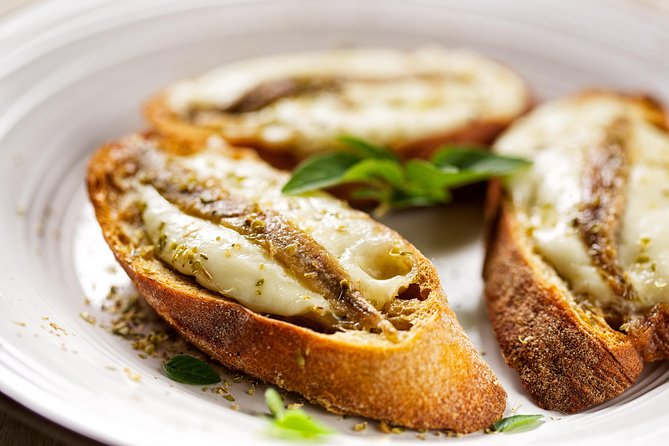
- bruschetta-style bites with fragrant olive oil
- freshly grilled market vegetables
- a selection featuring charcuterie and cheeses
Think of it as a mini “Lombardy sampler” that stays aperitivo-friendly. You’re not just learning recipes; you’re learning how to make a spread that looks inviting and keeps people reaching for more.





Last, you put it all together and enjoy the result
Once the bites are assembled, you enjoy the aperitivo as part of the experience, which makes this more than a cooking demo. You can taste what you made, talk with your host, and understand what worked and why.
That part is where the lesson clicks for most people: it’s one thing to read about pairing, and another to taste how the bites shift the drink experience.
What you’ll learn about Milan and Lombardy food habits
Milan is often treated as a “big-city Italy” stop, but the food logic is still regional. This is where the experience pays off if you like detail.
Your host explains how Lombardy food can differ from other parts of Italy. That might show up in ingredient choices, in how people think about snacks versus meals, and in the overall feel of the flavors. Instead of seeing Italian cuisine as a single package, you start understanding it as a set of local rules.
One practical takeaway I think you’ll appreciate: you’ll learn how to select bites that make sense together. Lombardy aperitivo isn’t built on one fancy item. It’s built on the right mix—so the table feels whole, and the drink doesn’t overpower the food or get muted by it.
Drinks and pairing: wines of the territory and typical aperitivo moves
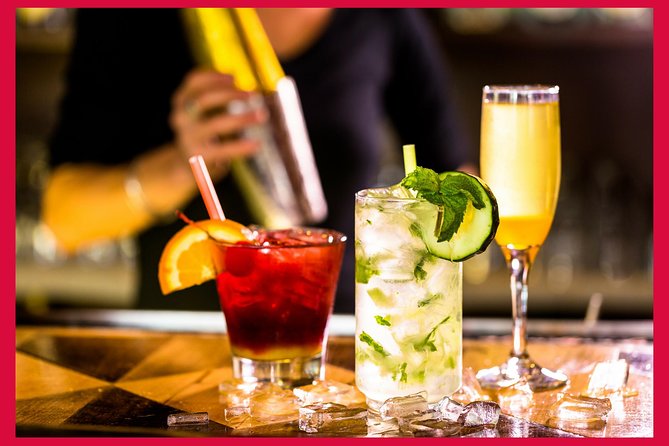
Aperitivo without good drinks is like music without rhythm. This experience includes a selection of wines from regional cellars and typical drinks, and your hosts offer wines from the territory.
You learn how to put together the spread to match the drink, which is a skill you can use later at home or on future trips. The main idea is to think beyond taste alone. Consider:
- intensity (does the drink need a salty bite?)
- acidity (what cuts through it?)
- richness (what keeps it from feeling heavy?)
Because the snacks you make are designed as a set, you’ll get a feel for how one bite can support the next sip. That’s the pairing education most cooking classes skip.
Also, Milan aperitivo drinks have their own social tempo. You’re not rushing. You’re tasting and learning at the right evening pace.
Recipes you can recreate at home, without turning it into a project
I like cooking lessons that respect real life at home. This one leans in that direction.
In particular, the best feedback from past participants has been about the recipes being friendly and easy to recreate. The spread is built from bites that make sense for home cooking: bread + olive oil logic, quick savory components, and approachable combinations like charcuterie and cheese selections.
So after the evening, you should be able to rebuild the idea even if you don’t copy every detail perfectly. The value isn’t only in the specific appetizer—it’s in how you learned to assemble an aperitivo that looks inviting and tastes balanced with the drink.
If you’re planning to impress friends, this gives you a simple framework. If you’re trying to cook more often, it gives you a menu that feels special without requiring a full dinner-day production.
Price and value for a private, 2-hour home experience
The price is $122.17 per person for about 2 hours, with a private setup (only your group participates). That pricing can feel steep if you compare it to grocery shopping. But compare it to what you’re actually buying:
- certified home-cook expertise through the Cesarine network
- a guided build of five aperitivo bites using local ingredients
- pairing education tied to aperitivo drinks and regional wines
- a private, at-home setting where the host can tailor the conversation
For Milan, you’re also paying for access—access to a real local home and a real regional food approach. In a city like this, that access is usually what drives value more than the recipes alone.
If you’re traveling with one other person and want something more personal than a crowded group class, this can be a strong fit. If you’re on a tight budget, you might consider whether you’d rather put that money into a few excellent meals elsewhere. But if you love food culture and want to learn, this is the kind of experience that can change how you eat and host back home.
Who this Milan aperitivo lesson suits best
This works especially well if you:
- want a local home experience instead of a restaurant lesson
- like learning how to pair drinks and food (not only following instructions)
- enjoy regional food details—especially how Lombardy shapes what people eat before dinner
- prefer a small, private format with conversation and coaching
It might not be your best choice if you’re looking for a long, multi-stop sightseeing itinerary. This is focused on one place and one evening ritual. You should go in expecting food craft and a local welcome, not a city tour.
A quick note on timing and coordination
Because the class starts at 6:00 pm, plan your day so you’re not sprinting across town. If your afternoon plans run late, you’ll feel it here. Aperitivo timing is part of the point.
Also, keep your eyes on the correct meeting details the day of. The experience is designed to return you to the meeting point at the end, so don’t assume you’ll wander afterward looking for “the right place.” Be ready to show up and settle in for the full lesson.
Should you book this Milan aperitivo with a local?
If you want Milan in its social, food-first rhythm, this is an easy yes. The combination of a Cesarine host, five Lombardy nibbles, and drink pairing taught in context is exactly the kind of practical cultural learning that makes a trip feel personal.
Book it if you care about regional food logic and you like hands-on, short lessons. Skip it if your idea of a perfect evening is mainly sightseeing or a long formal dining event.
In short: if you want to leave Milan with a usable aperitivo method, not just memories, this one makes sense.
FAQ
How long is the Italian aperitivo with a local in Milan?
It lasts about 2 hours.
What time does the experience start?
The start time is 6:00 pm.
Is this a private experience?
Yes. It’s private, so only your group will participate.
What will I prepare during the class?
You’ll prepare five appetizers using traditional local ingredients, and you’ll learn how to put together an aperitivo to match your drink.
Will I receive a ticket on my phone?
Yes. The tour includes a mobile ticket.
Can I cancel for a full refund?
Yes. You can cancel up to 24 hours in advance for a full refund, and the cutoff is based on the local time of the experience.