REVIEW · MILAN
Milan: Sforza Castle and Michelangelo’s Pietà Rondanini Tour
Book on GetYourGuide →Operated by Hidden Experiences · Bookable on GetYourGuide
A marble masterpiece starts your Milan story. This 1.5-hour guided stop inside Sforza Castle pairs fortress power with Michelangelo’s final unfinished work, the Pietà Rondanini. I love the seamless castle and museum entry, and I also love how the guide frames the art so it hits emotionally, not like a checklist.
You’ll also get the political backstory that makes Milan click: Visconti and Sforza ambitions, the court world of Ludovico il Moro, and Leonardo da Vinci living and working here for nearly 20 years. It’s short, but it connects the dots between military muscle and Renaissance art in a way that’s hard to do on your own.
One possible drawback: with a 1.5-hour format, the tour moves at a brisk pace, and you may not have time to linger in every museum room you might want. A few people also noted that the audio via earphones can be hit-or-miss at times.
In This Review
- Key Things You Should Notice on This Tour
- Entering Castello Sforzesco Without Losing Time
- Michelangelo’s Pietà Rondanini: Why It Feels Different From His Other Work
- The Courtyards and Renaissance Architecture That Make the Castle Feel Alive
- Visconti and Sforza Power Plays, Plus the Meaning of Biscione
- Leonardo da Vinci’s Milan Years: What’s Special Here
- Filarete Tower: The Castle’s Storyboard Moment
- Guide Quality and the Small-Group Feel
- Price and Value: Is $47 Worth It?
- Timing and Pairing It With the Rest of Your Milan Day
- Who This Tour Is Best For
- Should You Book This Sforza Castle + Pietà Rondanini Tour?
- FAQ
- How long is the Sforza Castle and Pietà Rondanini tour?
- How much does the tour cost?
- Where do I meet the guide?
- What’s included in the price?
- What languages are available?
- Is the tour wheelchair accessible?
- Is it a small group tour or a private tour?
- Can I cancel for a refund or pay later?
Key Things You Should Notice on This Tour
- Pietà Rondanini is treated like the emotional turning point it is, Michelangelo’s final, unfinished testament
- Sforza Castle entry and museum access are included, so you’re not stuck figuring out logistics
- You walk through the ducal courtyards, including the Corte Ducale and Cortile della Rocchetta
- Leonardo’s near-20-year presence is explained on site, not as a generic “he once lived here” story
- Filarete Tower becomes part of the narrative, a guide-led orientation point for the fortress
- Small-group feel with headphones (for groups of 11 participants), which helps keep the experience focused
Entering Castello Sforzesco Without Losing Time
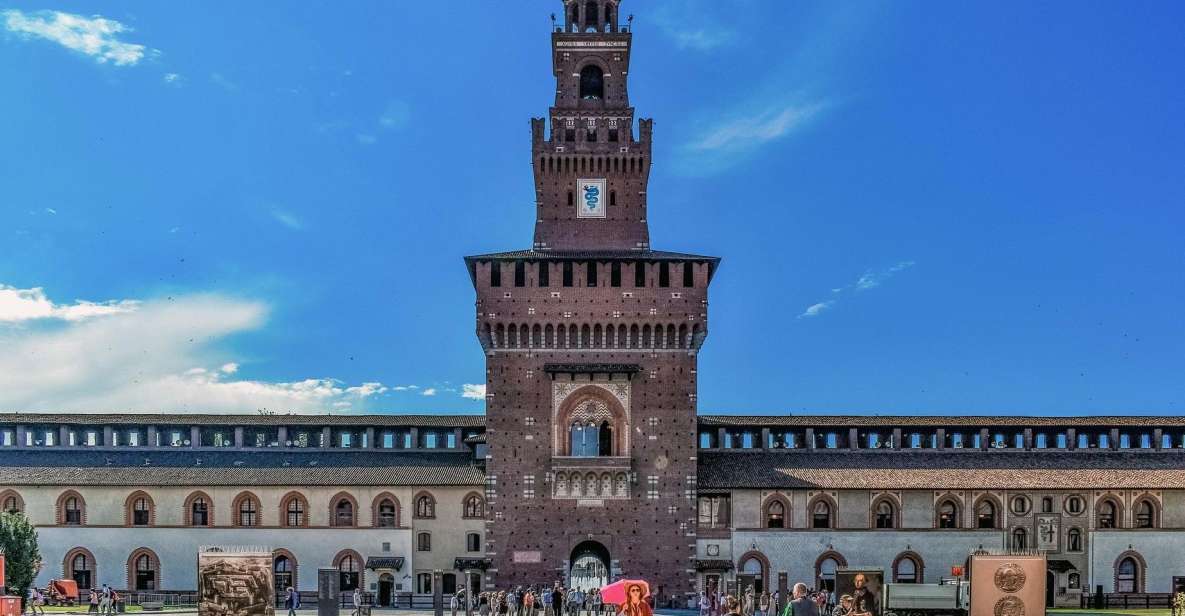
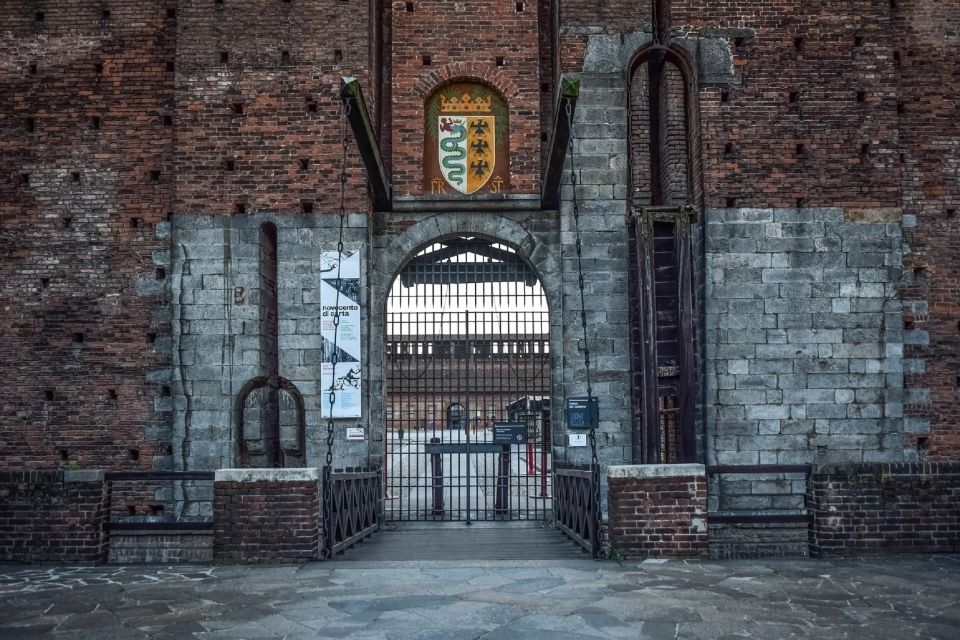
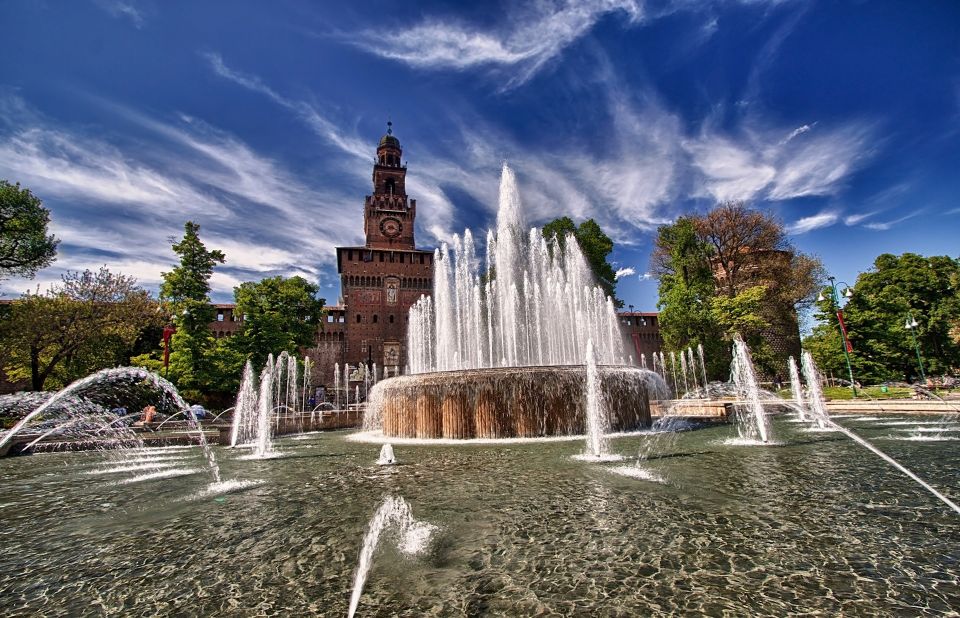
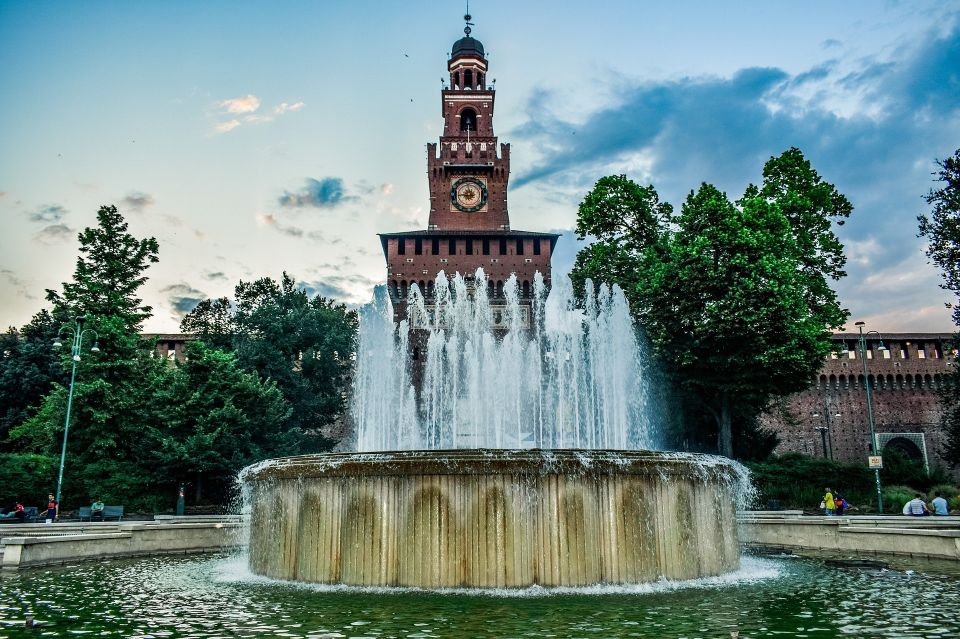
Sforza Castle (Castello Sforzesco) is one of those places where you instantly get why Milan mattered. It’s big, built like a statement, and it’s right by the Duomo—so it’s a perfect “art + history” add-on when you’re trying to make the most of a limited day.
The tour meets in Piazza Castello, under the Filarete clock tower, right in front of the castle. You’ll look for the guide with the purple Hidden Experiences flag or board. This matters because it keeps you oriented fast. You’re not wandering the square hunting for the start point, and you’re not arriving with no plan.
You’ll also appreciate that the tour includes the entrance fees to the castle and the museum spaces tied to the Pietà. Instead of spending the first chunk of your visit figuring things out, you get straight to the part of Milan that feels most alive: art inside a power fortress.
You can also read our reviews of more tours and experiences in Milan.


Michelangelo’s Pietà Rondanini: Why It Feels Different From His Other Work
The emotional center of this experience is Michelangelo’s Pietà Rondanini, housed in a museum space within the castle. This is the kind of artwork that rewards being guided, because the details are doing a lot of work.
This Pietà is Michelangelo’s final unfinished marble block. He worked on it until just a few days before his death at age 89. That context changes how you see it. In his earlier, more polished works, you can feel technical mastery showing off. Here, the figures look elongated and the surface carries the unfinished, raw “non-finito” look.
A good guide will point out what that means in practice. You’ll see how the lack of complete finish creates urgency—like Michelangelo was chasing a feeling more than a perfect anatomy. And because the tour doesn’t treat the Pietà as a museum object, you’ll leave with a clearer sense of what he was trying to express at the end of his life.
The Courtyards and Renaissance Architecture That Make the Castle Feel Alive
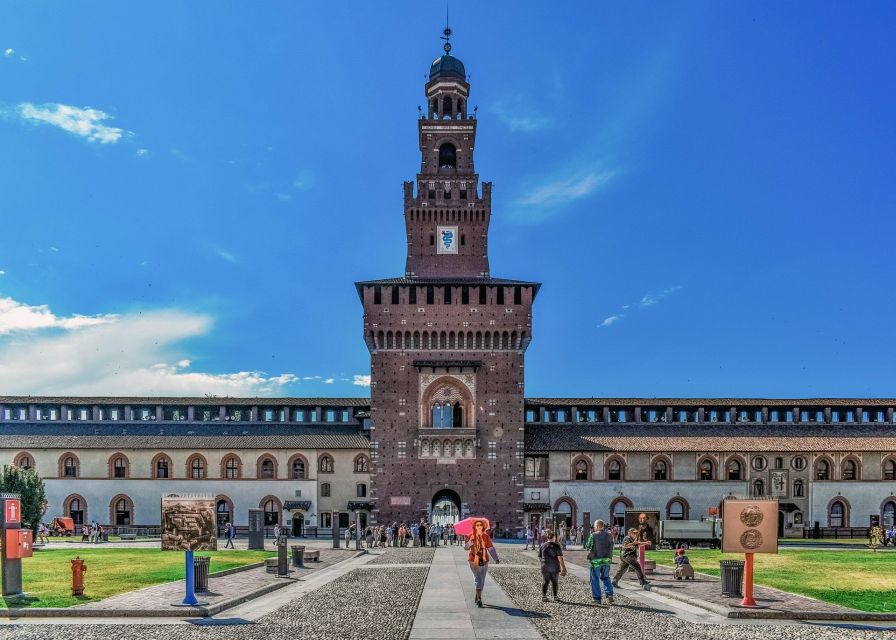
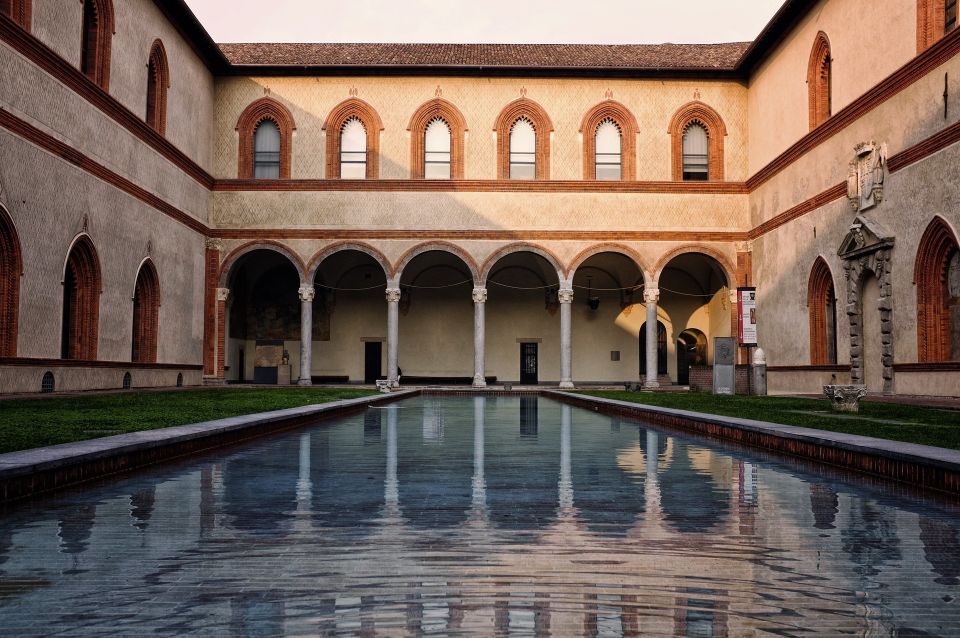
After the Pietà, the tour shifts from art inside to power operating outside. You’ll spend time in the ducal courtyards, including the Corte Ducale and the Cortile della Rocchetta. Even if you’re not a history nerd, these spaces help you understand the castle as a working political stage.
Courtyards change the feel of a building. They let you see how movement and hierarchy worked—who belonged where, and how the architecture supported authority. Renaissance architecture here isn’t just decoration. It’s part of the messaging: Milan’s rulers didn’t just rule with weapons. They ruled with buildings, ceremonies, and visual control.
This is also where the tour’s storytelling style really helps. The guide connects the geometry of the courtyards to what the Visconti and Sforza families wanted Milan to look like. You don’t just hear dates. You feel why the structure mattered.
Visconti and Sforza Power Plays, Plus the Meaning of Biscione
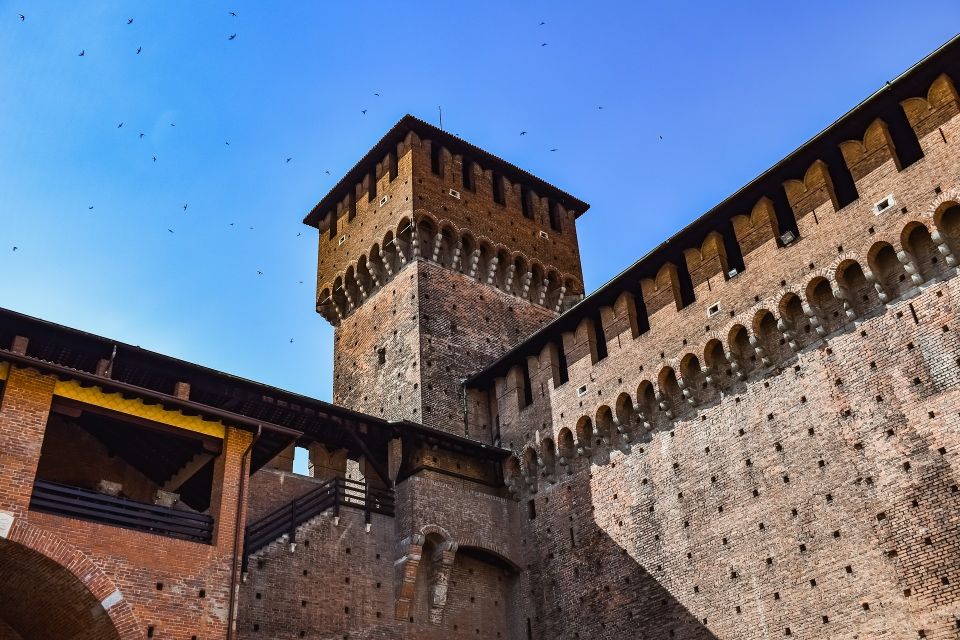
One of the best parts of this tour is that it doesn’t stay stuck in art history. It explains the people behind the walls—specifically the Visconti and Sforza dynasties, the masters of Milan.
You’ll hear about ducal life and intrigue, including what’s behind the Biscione—the iconic serpent coat of arms associated with the Visconti. That detail might seem like trivia until a guide connects it to identity and legitimacy. Then it becomes a shortcut: you start recognizing symbols as political tools.
The tour also covers the court world around Ludovico il Moro, including how this was a place of ambition, alliances, and influence. It’s the kind of story that makes the castle feel less like a standalone monument and more like a headquarters.
If you’re into “how power actually worked,” this is the section that delivers.
Leonardo da Vinci’s Milan Years: What’s Special Here
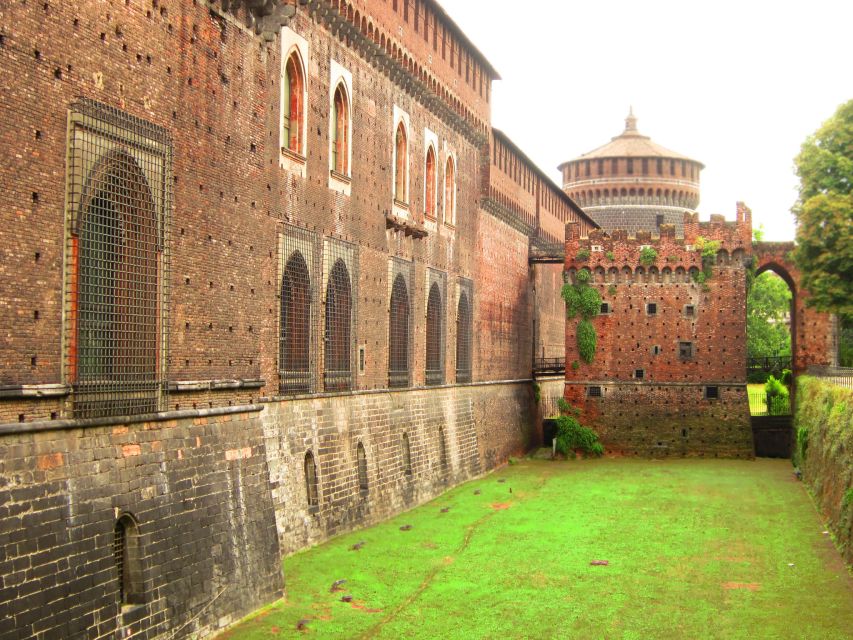
Leonardo da Vinci is often reduced to a highlight reel—especially his most famous fresco. This tour gives you a different angle by tying him directly to Sforza Castle.
The key point is simple and powerful: Leonardo lived and worked in the castle for nearly 20 years. Yes, you’ll still hear about his broader reputation, but your feet are on the site where he acted as a court engineer and architect.
The guide will lead you through the relevant spaces and point out how Leonardo’s presence shaped the castle’s story. This is useful if you’ve already visited other Leonardo stops in Italy—you’ll get a more “working professional” view of him, not just the myth.
And because the tour is designed with time in mind, it doesn’t drown you in every possible Leonardo fact. It focuses on the parts that help you understand Milan’s creative engine.



Filarete Tower: The Castle’s Storyboard Moment
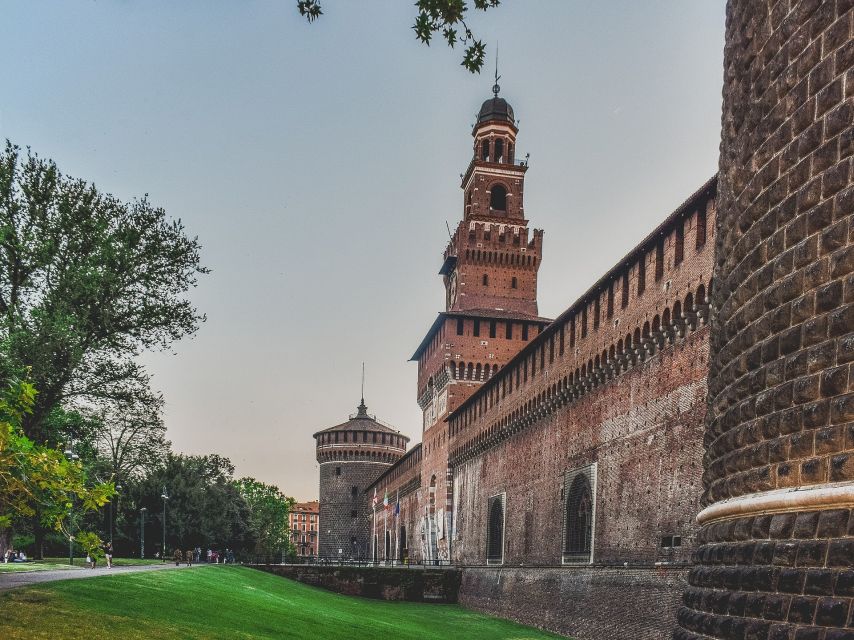
As you walk under the shadow of the Filarete Tower, you get a built-in mental map for the fortress. This isn’t just a photo stop. It’s used as a reference point for how the castle survived centuries of change and reinvented itself.
The tower becomes a sort of storytelling anchor: the guide uses it to connect military design to later Renaissance style and the castle’s evolution into a cultural landmark. If you’re the type who likes to understand orientation while you walk, this is a smart move.
It also helps keep the pace from feeling random. You always have a “why are we here?” answer.
Guide Quality and the Small-Group Feel
The tour’s ratings are strongly tied to guides who can explain complex material clearly and keep it moving. Names that came up often in excellent experiences include Giorgio, Simone, Stephanie, Giorgio, Fabio, Lara, Stefania, and Lorella. When a guide has that mix of confidence and patience, the whole visit feels like a guided masterclass instead of a lecture.
You’ll also benefit from the format. This is described as a small group guided tour, and there’s headphone support for groups of 11 participants. That means you can stay closer to your guide instead of trying to catch every word over crowd noise.
Still, there is one realistic consideration: a couple of people noted the earphones can work intermittently. If you’re sensitive to audio issues, it’s worth arriving with the mindset that you may need a quick posture adjustment to hear well in louder areas.
Price and Value: Is $47 Worth It?
At $47 per person for about 1.5 hours, the value mostly comes down to what’s included.
You get:
- entrance fees to the castle and museum spaces
- a certified guide
- headphone support (for the relevant group size)
- a small-group guided experience
That’s a strong package for a short visit. You’re paying for more than access—you’re paying for on-site interpretation. Without a guide, Pietà Rondanini would still be important, but you’d likely miss how the unfinished marble connects to Michelangelo’s late-life mindset and why the figures look the way they do.
You do not get food and drink, and there’s no hotel pick-up included (with pickup only available for an extra charge). So if you plan your day well, this tour slots cleanly between Duomo sightseeing and dinner.
If you only have time for one “deep art + deep history” stop near the center, this is one of the easier choices to justify.
Timing and Pairing It With the Rest of Your Milan Day
Because Sforza Castle is close to the Duomo, you can make this work even if your schedule is tight. A practical way to think about it: this tour is built for focus, not marathon exploring.
Plan for a steady flow:
1) Start at Piazza Castello and meet under the Filarete clock tower.
2) Expect art first (Pietà Rondanini), then courtyards and political storytelling.
3) Use the rest of your day to wander longer if you want—this tour won’t try to replace a full museum day.
Also, if you’re the type who wants to linger, keep an eye on your expectations. One review noted time felt tight for at least one museum area. That’s not a reason to skip it—it just means you should treat this as a high-quality hit, not a complete, slow museum crawl.
Who This Tour Is Best For
This tour is a great fit if:
- you want a focused introduction to Milan’s Renaissance power story
- Pietà Rondanini is on your must-see list
- you want Leonardo da Vinci tied to the actual place he worked, not just a famous name
- you like guides who answer questions and explain context in plain language
It may feel less ideal if:
- you want to spend long hours drifting through multiple museums independently
- you’re looking for a purely architectural tour with zero art interpretation
Should You Book This Sforza Castle + Pietà Rondanini Tour?
I’d book it if you want the smartest use of 90 minutes in Milan. The combination is unusually good: a fortress that shaped power plus Michelangelo’s late-life masterpiece, with Leonardo’s long Sforza-era presence woven through the same spaces.
The main reason not to book is also simple: the time is limited. If you want to linger in every museum room, you’ll probably want additional self-guided time after the tour. But if you want meaning, context, and a guided route that makes the castle feel understandable fast, this is the kind of tour that earns its place.
FAQ
How long is the Sforza Castle and Pietà Rondanini tour?
The tour lasts 1.5 hours.
How much does the tour cost?
It’s listed at $47 per person.
Where do I meet the guide?
Meet in Piazza Castello under the Filarete clock tower, in front of Sforza Castle. The meeting point is not inside the courtyards.
What’s included in the price?
Entrance fees to the castle and museum, a certified tour guide, headphones from participants for groups of 11, and a small group guided tour.
What languages are available?
The tour guide is available in Italian, English, German, French, and Spanish.
Is the tour wheelchair accessible?
Yes, it’s wheelchair accessible.
Is it a small group tour or a private tour?
It’s offered as a small group guided tour, and a private group option is also available.
Can I cancel for a refund or pay later?
Yes. Free cancellation is available up to 24 hours in advance for a full refund, and there’s a reserve now and pay later option.