REVIEW · MILAN
Milan Hop-On Hop-Off Bus Tour with Four Routes
Book on Viator →Operated by Sightseeing Experience · Bookable on Viator
Milan moves fast, and the bus helps you keep up. This hop-on hop-off setup uses open-air double-decker buses and four connected color-coded routes so you can build your day around what you care about most. You’ll get an easy overview of major neighborhoods without constantly checking which direction to walk.
Two things I really like: the routes are designed to link big-ticket stops—think Duomo and La Scala on one line, and the Last Supper area on another—and the onboard Wi‑Fi plus mobile app make it less stressful to find the next bus. One drawback to plan around: the experience can feel a bit uneven if you rely on perfect audio timing or you have trouble spotting the correct stop, especially for certain lines.
In This Review
- Four Color Lines Around Milan: What You’re Really Buying
- The Milan night option: a bonus in summer
- Entering Milan at 10:00: Stops, Staff, and Real-Time App Help
- Bumpy rides and busy streets
- Line A (Red): Duomo, Sforzesco, and La Scala on One Big Loop
- Line B (Blue): From Last Supper to Palazzo Lombardia and Porta Venezia
- How to use Line B effectively
- Line C (Green): San Siro, Monumental Cemetery, and the Stadium Side of Milan
- Line D (Yellow): Navigli Canals, Piazza XXIV Maggio, Brera, and Montenapoleone
- Onboard Audio and Wi‑Fi: Helpful, But Don’t Expect Perfect
- What I suggest you do before you get on
- Price and Value: Is $27.01 a Smart Buy?
- When the 72-hour ticket makes the most sense
- Practical Tips to Avoid the Most Common Friction
- Finding the right stop on a busy day
- Seat choice affects your view and audio
- Ride timing: start early, avoid late evening expectations
- Who This Tour Is Best For (and Who Should Skip It)
- Should You Book This Milan Hop-On Hop-Off Bus?
- FAQ
- What time do buses start on this tour?
- How long is the experience?
- Do I need a printed ticket?
- What languages are available for the audio?
- Can I ride multiple bus lines with one ticket?
- Is Wi‑Fi available on the buses?
- Is the Milan Night Tour included?
- What’s the cancellation window?
Four Color Lines Around Milan: What You’re Really Buying

This tour isn’t one fixed loop. It’s a system of four connected lines—red, blue, green, and yellow—so you can hop off for a look and later switch to a different line to cover more ground.
You choose your ticket length: 24, 48, or 72 hours. That choice matters because hop-on hop-off tours work best when you can take your time. If you’re only in Milan for a few hours, you can still use it, but it’s the best value when you plan at least a full day of exploring.
In practical terms, you’re paying for:
- transportation across wide areas of the city
- a structured way to hit the main sights
- less walking time between neighborhoods
The buses are open-air and double-decker, which helps with views. Just know that “open-air” also means weather is part of the deal. Bring a light layer if you ride near cooler hours.
The Milan night option: a bonus in summer
If you get the 72-hour weekend ticket during June to September (Saturday and Sunday), the Milan Night Tour is included. And in summer, there’s also an option to ride the bus at night. If your trip overlaps those months, this is one of the clearest reasons to consider the longer ticket.
You can also read our reviews of more tours and experiences in Milan.



Entering Milan at 10:00: Stops, Staff, and Real-Time App Help
Buses start at 10:00 am at the main meeting point. The tour is designed to be easy to jump into near public transportation, and you’ll find staff at the stops who can help when you’re stuck.
There’s also a big “use it or lose it” tool here: the mobile app that shows where buses are in real time. I like real-time tracking because Milan can throw curveballs—late trains, detours, and just the general difficulty of navigating a city where streets intersect constantly. Reviews also back this up: when people had trouble, they often got unstuck once they used the app.
Still, plan for one issue: hop-on hop-off tours depend on frequency. Some riders found the service less consistent at certain times of day, and a few mentioned it didn’t come often. The sweet spot is to start earlier and avoid assuming you’ll wait five minutes for every pickup.
Bumpy rides and busy streets
Open-top buses and double-deckers can mean bumpy motion on rough pavement. A handful of reviews mention the ride felt rough, so if you’re sensitive to motion, consider bringing something like sunglasses or a small seat cushion to make it more comfortable.
Crowds also affect your experience. When buses are full, standing passengers and seat placement can limit your view through windows or around other people.
Line A (Red): Duomo, Sforzesco, and La Scala on One Big Loop
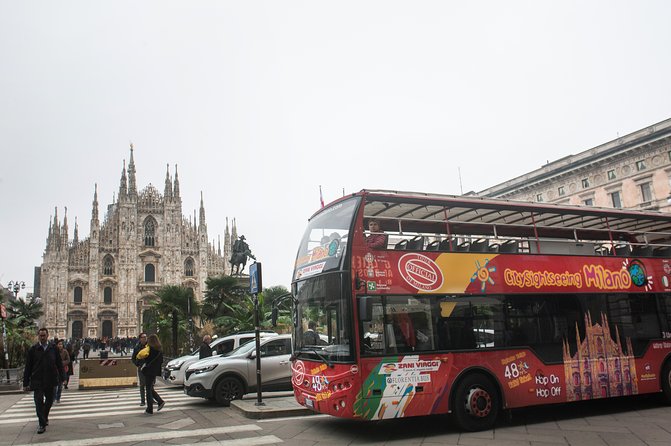
Line A is the red line, and it’s built for classic Milan. It hits Milan Duomo, Castello Sforzesco, and La Scala, with a loop time of about 90 minutes.
This line is ideal when:
- it’s your first time in Milan
- you want to prioritize the headline sights
- you want a single route that connects several “must-see” stops
At the Duomo stop (P.za del Duomo, 38), you’re dropped right where you want to be for cathedrals, galleries, and people-watching. The area also works well for pausing longer than you planned, because you can easily walk a short distance to side streets without feeling lost.
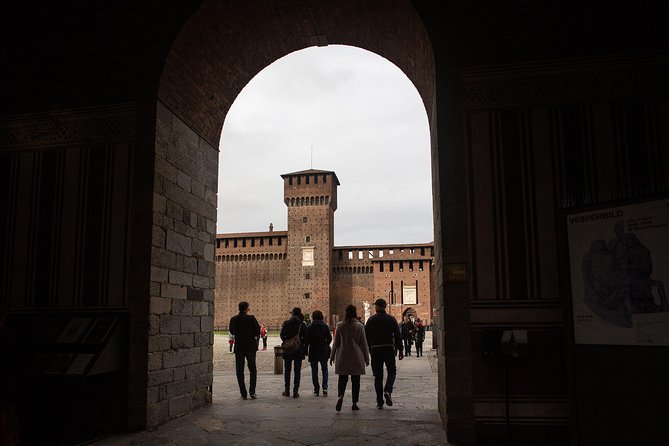
Castello Sforzesco sits on the other end of the sightseeing spectrum: a fortress feel, museums nearby, and a totally different mood than the Duomo plaza. And La Scala is close enough to treat it like a short hop-and-walk, rather than a separate mission.
Tip: if you want a smooth day, you can ride red early, then use another color line later to expand outward. That keeps your walking manageable while you still see the “big three.”
Line B (Blue): From Last Supper to Palazzo Lombardia and Porta Venezia
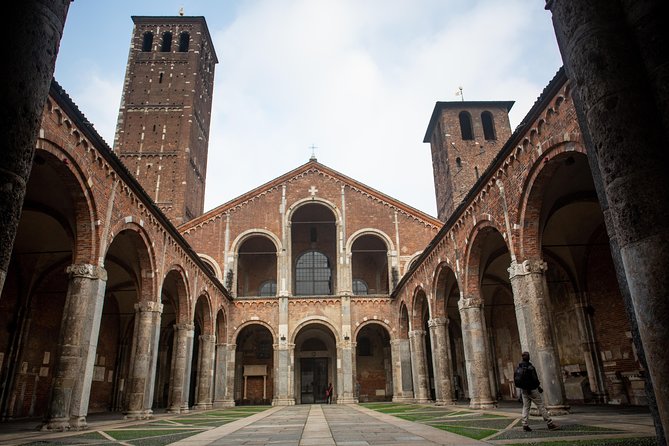
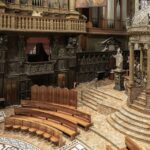
Line B, the blue route, is your art-and-city-edges line. It covers the Santa Maria delle Grazie area for Leonardo da Vinci’s The Last Supper, plus Porta Venezia and the skyscrapers of Palazzo Lombardia.
This is a great line when you want a contrast:
- history and art (Last Supper area)
- a classic city gate neighborhood (Porta Venezia)
- modern Milan (the business district feel around Palazzo Lombardia)
You’ll also connect to the broader city grid through stops near major transit hubs. That matters because Milan is big, and getting to the right neighborhood is often about getting near a metro line or main station area.



How to use Line B effectively
Don’t rush the Last Supper area from the bus. The best plan is to hop off, take the walk at a slow pace, and then decide how much time you want before you reboard later on. A hop-on hop-off bus is meant for flexible timing, and this is a place where stopping to look around pays off.
Line C (Green): San Siro, Monumental Cemetery, and the Stadium Side of Milan
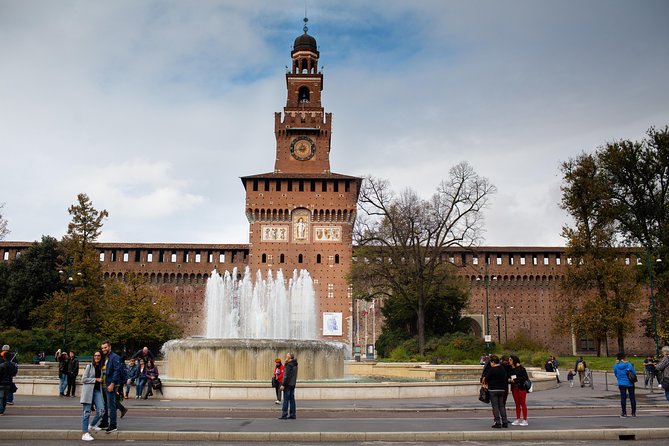
If football (soccer) is your thing, Line C is one of the most fun options. It serves San Siro Stadium, and it also goes toward the Monumental Cemetery area. There’s also a stop near the shopping area around Via Montenapoleone, plus additional stops that help you reach other parts of the city.
Line C works best if you’re planning more than one type of visit:
- stadium time
- a walk through the cemetery grounds
- shopping or modern Milan stops in between
Some riders struggled to understand how this line worked, or had difficulty finding the correct stops at first. My advice is simple: rely on the app for tracking and double-check the line color before you move. One wrong turn with a hop-on hop-off stop can mean extra walking that defeats the purpose.
Line D (Yellow): Navigli Canals, Piazza XXIV Maggio, Brera, and Montenapoleone
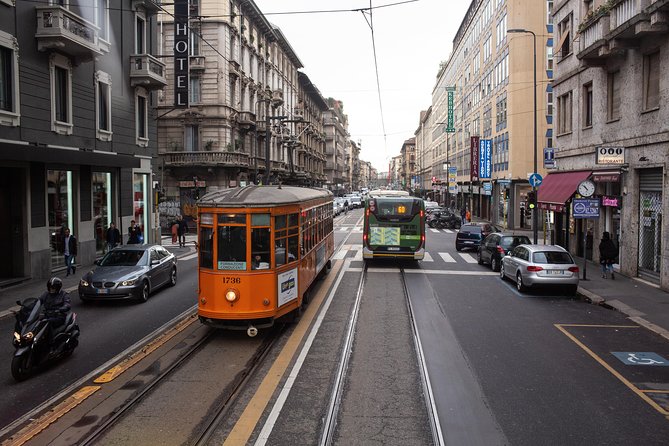
Line D, the yellow route, is the one I’d steer you toward if you want Milan’s neighborhood feel. It follows the canals of Navigli, passes by Piazza XXIV Maggio, and moves through central areas like Duomo and onward toward the posh zones around Montenapoleone and Brera.
This line is your “mix and match” route:
- canal walks when you want atmosphere
- Duomo proximity when you want a central anchor
- Brera area if you want a more artsy vibe and side-street browsing
If you like to wander without rigid planning, yellow is a smart backbone. You can jump off at a canal-facing stop for photos and a relaxed stroll, then come back later for another slice of the city.
Onboard Audio and Wi‑Fi: Helpful, But Don’t Expect Perfect
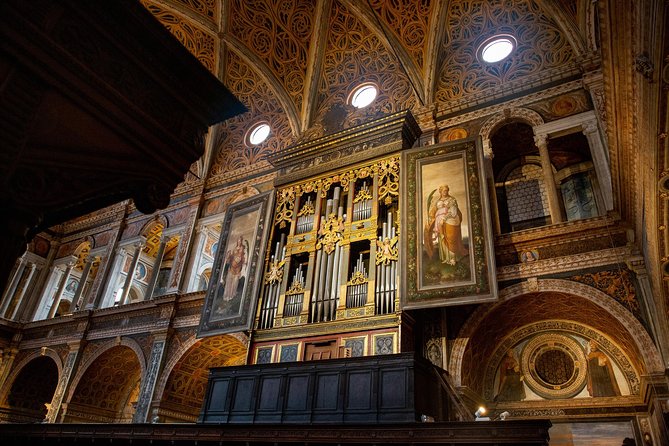
You’ll have audio guidance onboard in 10 languages, and English is available. There’s also free Wi‑Fi onboard, plus the mobile app helps you see bus locations in real time.
Here’s the realistic picture: audio quality can vary. Some people reported headphone jack issues and had to switch seats to find working plugs. Others said the audio felt out of sync with the stops, or that announcements were hard to hear—so you may want your eyes on the stop signs as much as your ears on the narration.
What I suggest you do before you get on
- Bring your own headphones if you have them. If onboard audio jack access is unreliable, personal earbuds are a backup mindset.
- Don’t assume you’ll hear every detail. Use the narration as a framework, not a substitute for reading a little on your own before you hop off.
- Expect that busy seating can block your view. Pick a seat where you can see forward and out the sides if you can.
For audio experiences that didn’t fully land, it wasn’t about content being wrong. It was more about timing cues like which side you should look at, and the clarity of announcements. Your best defense is simple: watch the stop environment and use the app and stop names to stay oriented.
Price and Value: Is $27.01 a Smart Buy?
At $27.01 per person, this tour sits in the “solid convenience” category. Whether it’s a great deal depends on how you use it.
You’re getting:
- open-air double-decker transport
- four lines with lots of stops
- multilingual audio guidance
- onboard Wi‑Fi
- a mobile app for real-time bus locations
That can be a good value if you’re:
- short on time and need to cover major neighborhoods
- traveling as a group where not everyone wants to walk nonstop
- a first-timer who wants a city layout overview before choosing deeper experiences
It’s not the best value if you only ride one section. A few riders said the pass didn’t feel worth it when they ended up using only a small part of the network. That’s the main risk: hop-on hop-off tours only pay off when you actually hop.
When the 72-hour ticket makes the most sense
The 72-hour weekend ticket is especially attractive in the June-to-September window because it includes the Milan Night Tour. If your timing fits, the longer ticket is likely your best bet.
Also note a small practical clue: this tour is often booked about 31 days in advance on average. If your travel dates are popular, booking ahead is the safest move.
Practical Tips to Avoid the Most Common Friction
This is the stuff that keeps the day smooth, based on what can go wrong in real use.
Finding the right stop on a busy day
Some people had trouble locating stops, including confusion around how certain line colors operate. To prevent that:
- use the app to confirm you’re waiting at the correct stop
- read the stop name carefully before you step into traffic
- leave yourself extra time at major hubs
Seat choice affects your view and audio
Buses can be busy. If you want the best experience:
- try to sit where your earbuds reach comfortably
- if audio cuts out, don’t panic—switch seats if you can
- keep a rough plan for what you want to see, so you’re not guessing while the bus moves fast
Ride timing: start early, avoid late evening expectations
A recurring theme is reduced service later in the day, with limited evening coverage except for the special night option in summer and the included night tour for qualifying 72-hour weekend tickets.
So aim to front-load your day. If you wait until late afternoon, you may find you spend more time waiting than sightseeing.
Who This Tour Is Best For (and Who Should Skip It)
This is a strong fit for:
- first-time visitors who want a simple way to cover Milan’s big highlights
- anyone who doesn’t want to calculate routes all day
- travelers who like flexible timing and easy reboarding
- art and sightseeing planners who want Duomo, Last Supper, Brera, and Navigli in one network
It’s less ideal for you if:
- you need highly reliable timing at every stop
- you hate hunting for stop locations
- you expect the audio to function perfectly from every seat
- you want a slow, deeply guided narrative the way a top walking tour can deliver
The bus does one job well: moving you through the city with less effort. The “history lecture” part is more of an optional extra than the main event.
Should You Book This Milan Hop-On Hop-Off Bus?
I’d book this if you’re doing a first Milan trip, want to cover a lot of ground with minimal hassle, and you’ll actually use more than one line. The network approach—red for headline classics, blue for Last Supper and major districts, yellow for Navigli/Brera, green for San Siro and beyond—lets you build a day that fits your interests.
I’d think twice if your trip is short and you only want one neighborhood, or if you know you’ll be frustrated by occasional audio glitches and the need to locate stops accurately. In those cases, you might get a better experience with targeted, booked-in-advance visits and walking.
If you do book, start early, use the app, and treat the audio as a guide, not a script. That’s the formula that turns a busy city into a manageable one.
FAQ
What time do buses start on this tour?
Buses start at 10:00 am.
How long is the experience?
The duration is about 1 hour 20 minutes, approximately.
Do I need a printed ticket?
No. You can use a mobile ticket.
What languages are available for the audio?
The audio guide is available in 10 languages, and English is offered.
Can I ride multiple bus lines with one ticket?
Yes. The four routes are connected, so you can switch lines to cover more ground.
Is Wi‑Fi available on the buses?
Yes. There is free Wi‑Fi onboard.
Is the Milan Night Tour included?
The 72-hour weekend ticket includes the Milan Night Tour during the period from June to September (Saturday and Sunday).
What’s the cancellation window?
You can cancel for free up to 24 hours in advance of the experience’s start time for a full refund.