REVIEW · MILAN
Milan: Gray Line Milan Open Tour Hop-On Hop-Off Bus Tour
Book on GetYourGuide →Operated by Milanopentour · Bookable on GetYourGuide
Milan feels big, but this bus tour keeps it simple. I like that you can hop on and off at stops across the center, so you can pace your day around your energy. The ride also works even when the weather turns, since this is a rain-or-shine kind of tour.
Two things I especially like: the audio guide setup and the way the routes help you “map” Milan fast. You get an on-board audio guide with multiple languages plus kid-friendly commentary, and the bus gives you enough comfort to sit through traffic without losing the day. One drawback to plan for: the audio can cut out at certain points, and on rainy days you may notice fogging/condensation on the windows upstairs.
In This Review
- Why these Milan hop-on hop-off routes work for first-timers
- A flexible way to stitch together Milan in 1–3 days
- Two routes, one ticket: Fashion, Design & Leisure vs Milan Highlights
- Duomo to La Scala: the classic start you can repeat
- From Cenacolo to Sant’Ambrogio: a perfect hop-off block
- Brera, Castello, and the old-town essentials on the Highlights line
- Modern Milan along the Fashion, Design & Leisure route
- Navigli and the late-afternoon wander strategy
- On-board comforts: WiFi, USB power, and rainy-day reality
- Should you book this tour bus, or skip it?
- FAQ
- How long is the hop-on hop-off ticket valid?
- Can I hop on and off at any stop?
- What’s included with the ticket?
- Does the tour run in bad weather?
- What languages are available for the audio guide and kids commentary?
- Is there WiFi and power available on the bus?
- Is free cancellation available, and how far in advance do I need to cancel?
Why these Milan hop-on hop-off routes work for first-timers
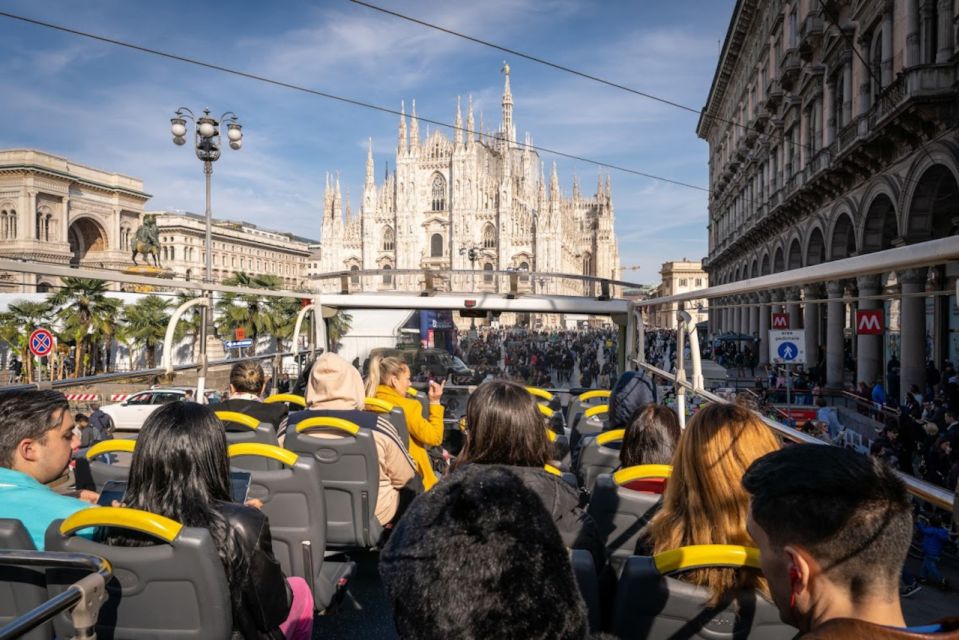
- Flexible starting points: your ticket lets you begin from bus stops and get on/off whenever you want.
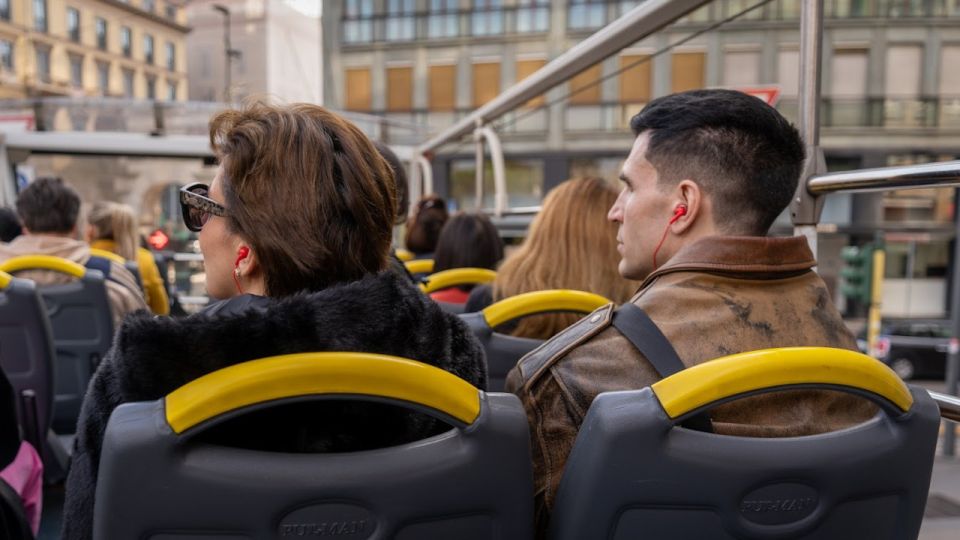
- Audio guide + ear-phones: commentary in many languages, with disposable personal ear-phones.
- Two route styles: Milan Highlights is shorter, while Fashion, Design & Leisure spreads out through more neighborhoods.
- Rain-ready viewing: the buses keep you sheltered, even when visibility outside isn’t great.
- On-board power and WiFi: USB sockets and WiFi help when you’re checking times, tickets, or restaurant plans.
A flexible way to stitch together Milan in 1–3 days
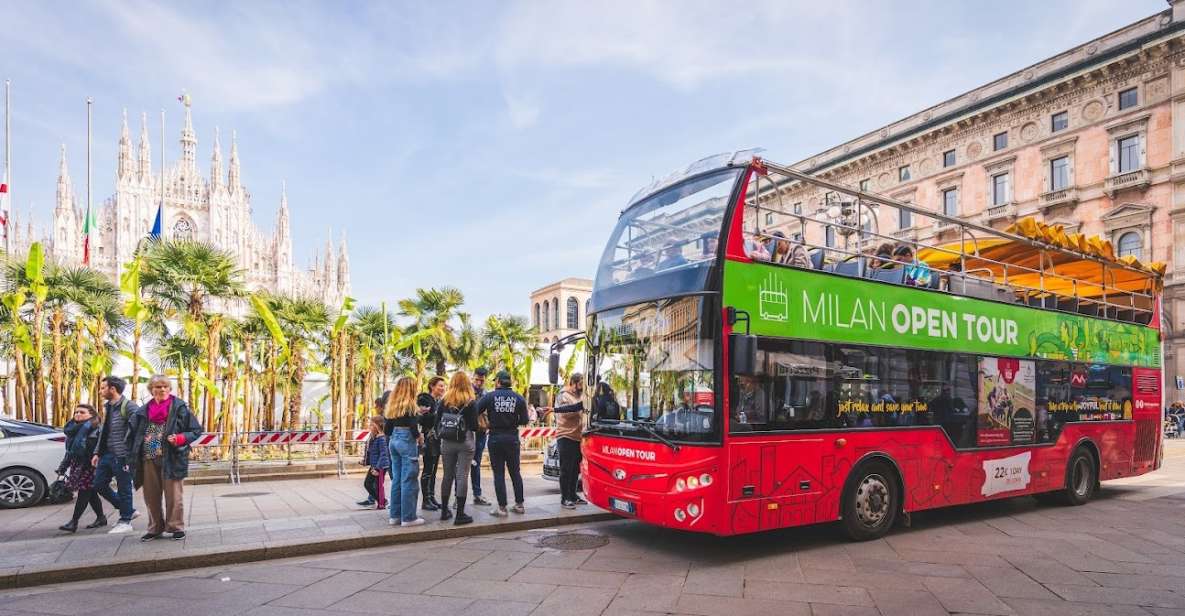
If you’re short on time, open-bus tours are a smart shortcut to understanding a city layout. This one is built for exactly that: you can stay on for the ride, or hop off to explore when something grabs you.
The ticket is valid for 1 to 3 days, which matters because Milan rewards a slow wander. One day is enough to get oriented and hit key areas, while two or three days lets you return to the stops you actually care about.
Value-wise, the price (about $29 per person) includes the bus ride, the audio guide, and practical extras on board like WiFi and USB sockets. That means you’re not paying separately just to move between neighborhoods, and you still get guided context while you travel.
A practical note: the meeting point can vary by option, but what’s more important is that your ticket allows you to start at bus stops and board from there. So you’re not locked into one rigid “meet here at 10:00” plan.
You can also read our reviews of more tours and experiences in Milan.


Two routes, one ticket: Fashion, Design & Leisure vs Milan Highlights
Milan Highlights is the more direct option. It focuses on a compact set of iconic areas, so you can do the loop and still have time to walk, shop, or visit one or two major spots up close.
Fashion, Design & Leisure covers more ground. It adds transport hubs and additional districts, so you see a bigger cross-section of Milan—from the cathedral square area and opera-house zone to science/museum territory, canal areas, and modern streets.
If you’re wondering which one to choose, here’s a simple way I’d decide. If it’s your first visit and you only want the “greatest hits,” pick Milan Highlights. If you want variety and more neighborhoods per day, lean toward Fashion, Design & Leisure.
Duomo to La Scala: the classic start you can repeat

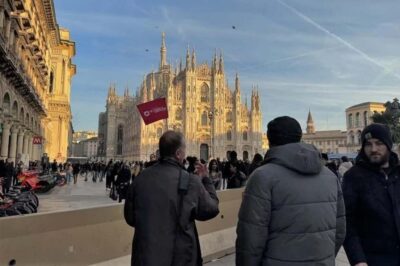
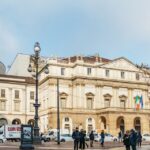
Most people start in the center, and both routes include Duomo (Piazza Duomo) and La Scala area (Via Manzoni, 33). This is the right move because it anchors you to the part of town you’ll likely want to walk anyway.
From there, you can treat the bus as your moving base. For example, you can hop off near Duomo, do your walking at your own pace, then get back on when your feet need a break.
On the Fashion, Design & Leisure route, you also pass Dugnani, Repubblica (Piazza della Repubblica), and Stazione Centrale (Piazza Duca d’Aosta). I like this because it helps you understand where the city’s big “activity zones” sit relative to each other.
On Milan Highlights, after La Scala you’ll go toward areas like San Marco and Brera, which are the kind of stops you’ll usually want to linger near for wandering. If your goal is to keep sightseeing tight and efficient, this route design supports that.
One small reality check: you don’t always get a perfect “best side of the bus” view of every stop. If you want to optimize sightlines, choose your seat deliberately and expect that traffic and corner turns can shift what you see.
From Cenacolo to Sant’Ambrogio: a perfect hop-off block
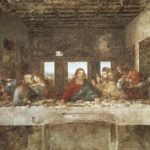
This tour is built around two major Milan anchors that make planning easier: Cenacolo and Basilica of Sant’Ambrogio. Cenacolo appears on the routes via stops at Via Caradosso, 114 and Via Caradosso, 122, and Sant’Ambrogio is listed at Via Carducci, 16.
I like these stops because they naturally group “big-ticket sightseeing” into a manageable plan. You can hop off for the time you want, then reload on the bus when you’re ready to move on instead of trying to connect everything by foot.
If you’re doing only one day, I’d structure it around this pair plus one neighborhood “bonus stop” where you want to wander. That way you’re not spending your only day riding past places you actually wanted to see.
For the bus experience itself, this is where the tour’s pacing really shines. The audio guide helps you understand what you’re seeing as you approach, which is useful when you’re staring at a street view and trying to decide where to go next.
Brera, Castello, and the old-town essentials on the Highlights line
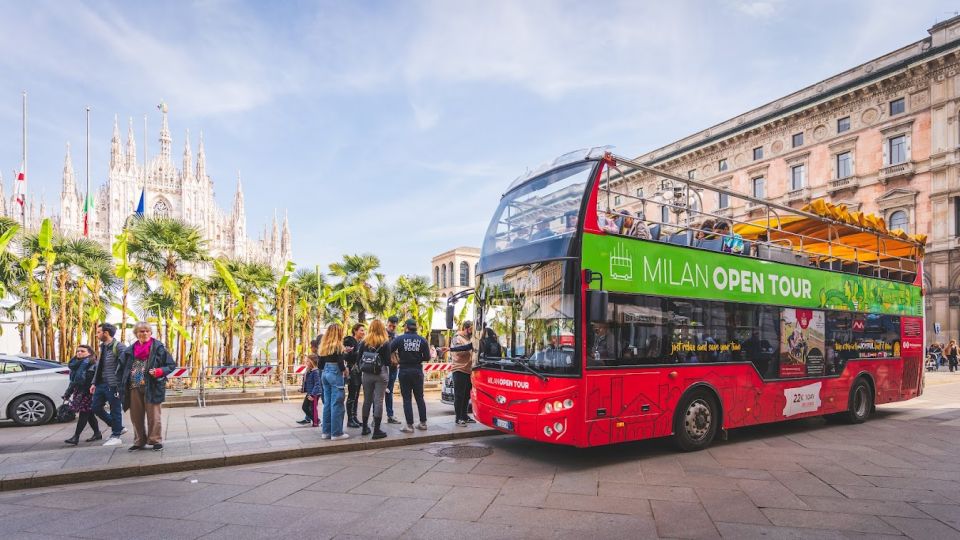
Milan Highlights hits several stops that tend to be popular walking areas. After Duomo and Scala, it includes San Marco (Via Fatebenefratelli, 54) and Brera (Via Bontaccio, 2).
Brera is one of those names that usually means “go take a slow look.” Even without overplanning, hopping off here is a good way to turn the bus ride into actual neighborhood time. I also like having Brera on the shorter route, because it keeps your schedule from becoming too long and tiring.
Next comes Lanza (Via Tivoli, 8) and then Castello (Piazza Castello, 26). In a short visit, these are the stops that help you cover multiple “Milan moods” without needing to move logistics around.
The route also includes Cairoli (Foro Buonaparte, 70) and Cadorna (Via Boccaccio, Via Leopardi). This is handy because it gives you options for how you want to move between the core sights and the broader city feel.
Finally, Milan Highlights ends with Litta (Corso Magenta, 2). This kind of last-stop structure is useful: it lets you build a satisfying mini-itinerary, then decide whether you want to return later on a different day.
A caution I’d keep in mind: the commentary can cut out now and again. If the audio glitches, don’t panic—just treat it as a prompt to read street context, or wait for the next working segment.


Modern Milan along the Fashion, Design & Leisure route
Fashion, Design & Leisure is where you see Milan’s more spread-out sides. It starts with the same central backbone—Duomo and Scala—then moves outward.
You’ll pass Dugnani, Repubblica, and Stazione Centrale (Piazza Duca d’Aosta) early on. I like including the station zone because it quickly clarifies how Milan’s transport spine connects to sightseeing stops.
From there the route grows more “neighborhood-diverse.” Stops include Regione (Via Melchiorre Gioia, 31), Gae Aulenti (Via Sturzo), Monumentale (Via Ceresio, 79), and Acquario (Viale Gadio). These are excellent for travelers who want more than a single historic loop.
One reason this route is valuable is that you get repeated chances to hop off without committing to one exact walking plan. If you see something that looks interesting from the street, you can get off, take a look, and get back on later.
The route continues with Triennale (Viale Moliere) and Arco della Pace (Corso Sempione, 4), then heads toward modern districts like City Life (Piazza 6 Febbraio, 26). There’s also Cadorna (Via Boccaccio, corner Via Leopardi), plus additional stops later that keep the day flexible.
If you prefer “seeing it all without planning every minute,” this route style fits your pace. It’s also a good choice if you’re traveling with people who want different types of sightseeing.
Navigli and the late-afternoon wander strategy
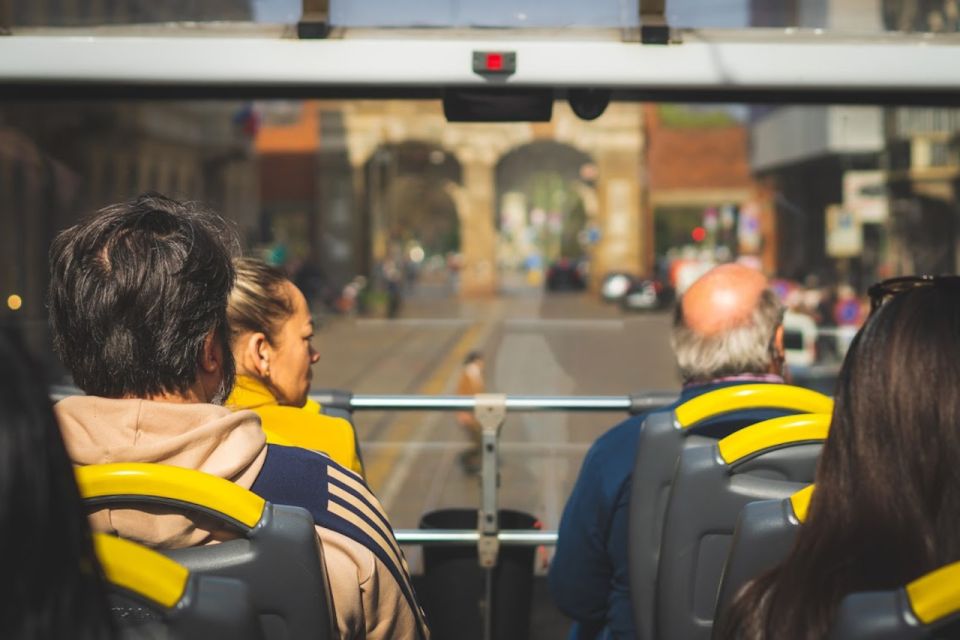
A big reason people like hop-on hop-off buses is that they protect your time for the parts that deserve lingering. For this tour, Navigli (Piazza XXIV Maggio, 6) is the stop that stands out if your ideal Milan day includes canal-area wandering.
The tour places Navigli on the Fashion, Design & Leisure line, which means you can ride through a mix of neighborhoods and still end with a place you’ll probably want to walk. If your plan includes dinner nearby, hopping off here can help you avoid timing stress.
Other stops that can work as a “late day” walk add-on include Parco Basiliche (Via Molino delle Armi, 33) and Università Studi (Via Sforza, 38), plus San Babila (Via Larga, 2). Since the bus lets you return to the route anytime, you’re not stuck committing to one single long block.
One practical tip from my planning mindset: if it’s hot, consider staying closer to the lower deck for comfort, since upstairs can feel hotter depending on the weather. On sunny days, that can be the difference between enjoying the ride and feeling cooked.
On-board comforts: WiFi, USB power, and rainy-day reality
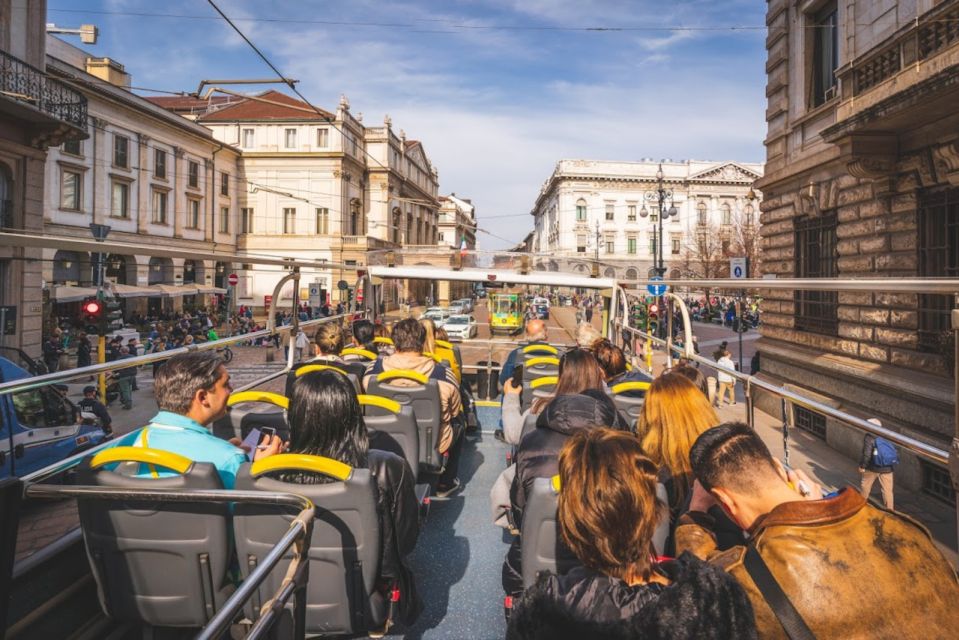
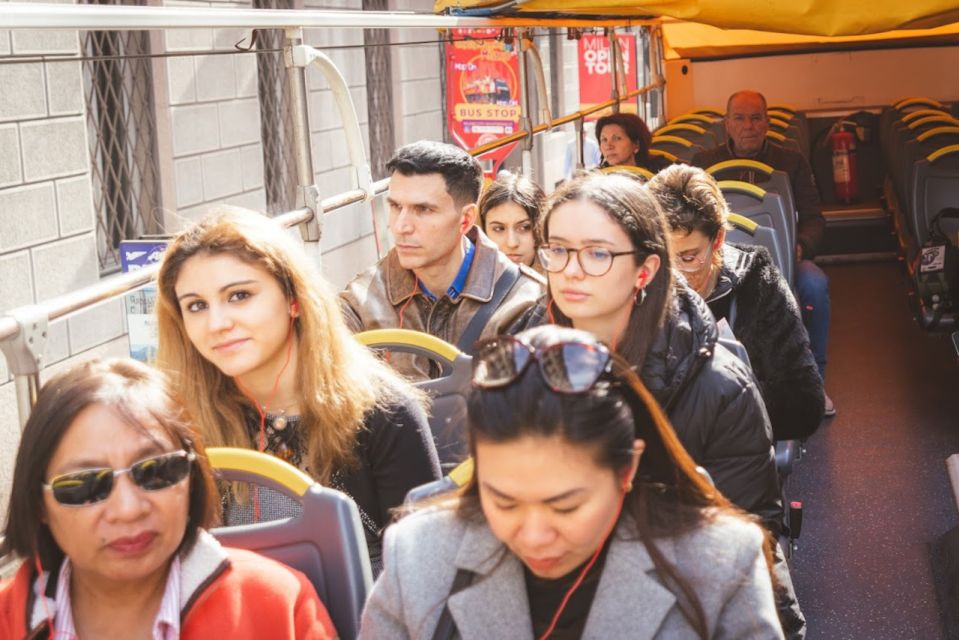
The practical onboard setup is one of the strongest reasons this tour feels easy. You get WiFi, USB sockets, and disposable individual ear-phones, which is helpful if you want your phone battery for maps or messaging.
The audio guide is available in many languages, and there are also kids commentaries in English, Italian, and Spanish. That matters if you have younger travelers, since it keeps the day from turning into one long adult lecture.
There’s also a dedicated hostess during the tour and a host/greeter team available in multiple languages. On a day when instructions matter—where to board, how to handle timing—having staff present reduces stress.
Rain changes the experience. This tour runs in rainy weather, but you may notice fogging or condensation on the upper-deck windows. If the skies are gray, I’d plan to wipe down occasionally and accept that visibility might be imperfect upstairs.
Heat changes it too. Some buses have open-air seating upstairs, and on very hot afternoons you might prefer the covered sections. If you want the best comfort-to-view balance, choose where you can see without suffering.
Finally, buses can take some time to complete a circuit through traffic. One useful planning cue: plan for a little over two hours if you do a full loop from the main central area.
Should you book this tour bus, or skip it?
I’d book this if you want an efficient way to connect Milan’s key sights without turning your day into navigation and scheduling chaos. The biggest strengths are the flexibility, the fact that Cenacolo and Sant’Ambrogio are central to the experience, and the onboard audio setup that keeps you oriented.
Skip it if you already have everything tightly planned and only need one or two stops. A shorter route can still work, but if your “must-see list” is tiny, you might save money by going point-to-point.
If you’re unsure, a smart compromise is to start with Milan Highlights to get oriented, then use the longer route on another day when you feel ready to explore farther out.
FAQ
How long is the hop-on hop-off ticket valid?
The ticket is valid for 1 to 3 days, depending on the option you choose and availability at the time of booking.
Can I hop on and off at any stop?
Yes. Your ticket lets you get on and off at any bus stops and start the tour from bus stops, not just one fixed pickup point.
What’s included with the ticket?
Included items are the hop-on hop-off bus ticket, a paper map, an audio guide, disposable individual ear-phones, WiFi on board, USB sockets, and a dedicated hostess during the tour.
Does the tour run in bad weather?
The tour takes place rain or shine, so you can still enjoy it on a rainy day.
What languages are available for the audio guide and kids commentary?
The audio guide is available in many languages (including Spanish, Chinese, Dutch, English, French, German, Italian, Japanese, Arabic, Portuguese, and Russian). Kids commentaries are provided in English, Italian, and Spanish.
Is there WiFi and power available on the bus?
Yes. There is WiFi on board and USB sockets for charging devices.
Is free cancellation available, and how far in advance do I need to cancel?
Yes, you can cancel up to 24 hours in advance for a full refund.