REVIEW · COMO
Como: Pasta and Tiramisu Class at a Local’s Home
Book on GetYourGuide →Operated by Cesarine · Bookable on GetYourGuide
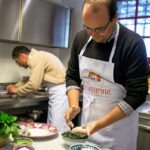
Fresh pasta begins at someone’s kitchen table. In Como, this Cesarine cooking class puts you in a local home to roll sfoglia and master tiramisu, with warm hosts such as Vincenzo and Stephania setting the tone. I love the hands-on pace (you’re actually making the food, not watching it) and the feeling of getting pulled into a real Italian kitchen rhythm. One thing to consider: it’s expensive, and the meeting spot can be a little tricky since you receive the exact address after booking.
The class is built for small groups and runs about 3 hours, usually starting at 10:00 AM or 5:00 PM. You’ll get an Italian aperitivo to start, learn two pasta recipes from scratch, then sit down to eat with wine, coffee, and everything you made. It’s equal parts cooking lesson and dinner evening, in the best possible way.
In This Review
- Quick Reasons You’ll Be Glad You Booked This
- A Kitchen Table in Como: What Makes This Class Feel Local
- Rolling Sfoglia by Hand: The Skill That Changes Everything
- Two Pasta Types From Scratch: You’ll Learn More Than One Way to Eat
- The Tiramisu Lesson: The Italian Dessert Everyone Talks About
- Aperitivo and Wine at the Table: How the Evening Really Flows
- Price and Value: What You’re Actually Paying For
- Logistics That Matter: Meeting Address and Timing Without Stress
- Who This Suits Best (and Who Might Want a Different Plan)
- Dietary Requests: How to Make Sure Your Menu Works
- Final Verdict: Should You Book the Como Pasta and Tiramisu Class?
- FAQ
- What dishes will I learn to make?
- How many people are in the class?
- How long is the experience, and when does it start?
- What drinks are included?
- Do we taste what we make?
- Can the class handle dietary restrictions?
- What languages will the instructor use?
- Can I get a full refund if plans change?
Quick Reasons You’ll Be Glad You Booked This
- Hand-rolled sfoglia focus: You learn to roll fresh pasta dough by hand, not with shortcuts.
- Two distinct pasta styles + tiramisu: You leave with multiple techniques, including the iconic mascarpone-style dessert.
- Small-group energy: The class is limited (operator info says up to 8), so you get attention without feeling rushed.
- Real table-time with wine: You don’t just taste; you share the meal you cooked with drinks included.
- Hosts who treat it like family: Several hosts (for example, Carolina and Simona, Beatrice, Anna, and others) are praised for warmth and patience.
- Dietary needs handled on request: Vegetarian, vegan, and gluten-free options can be accommodated if you ask ahead.
A Kitchen Table in Como: What Makes This Class Feel Local
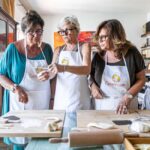
This isn’t a big studio class with identical aprons and numbered stools. You’re stepping into a real Lombardy home where cooking is part of everyday life, and the lesson follows the logic of that household. That means you learn the why behind the moves: how dough should feel, when to adjust, and what “good” looks like before it hits the pot.
A Cesarine host typically leads the cooking in Italian and English, which is key for two reasons. First, you can actually ask questions while you’re working, not just at the end. Second, you’ll pick up little cultural notes—what matters to them about sauce, texture, and timing—without needing any special background.
The best part is the balance: you get structured instruction, but the room stays relaxed. People remember this as a cozy, peaceful evening, not a frantic cooking workshop. And yes, the social side helps too. In classes like this, conversation is built into the meal, so you tend to remember the experience as much as the recipes.
You can also read our reviews of more cooking classes in Como
Rolling Sfoglia by Hand: The Skill That Changes Everything
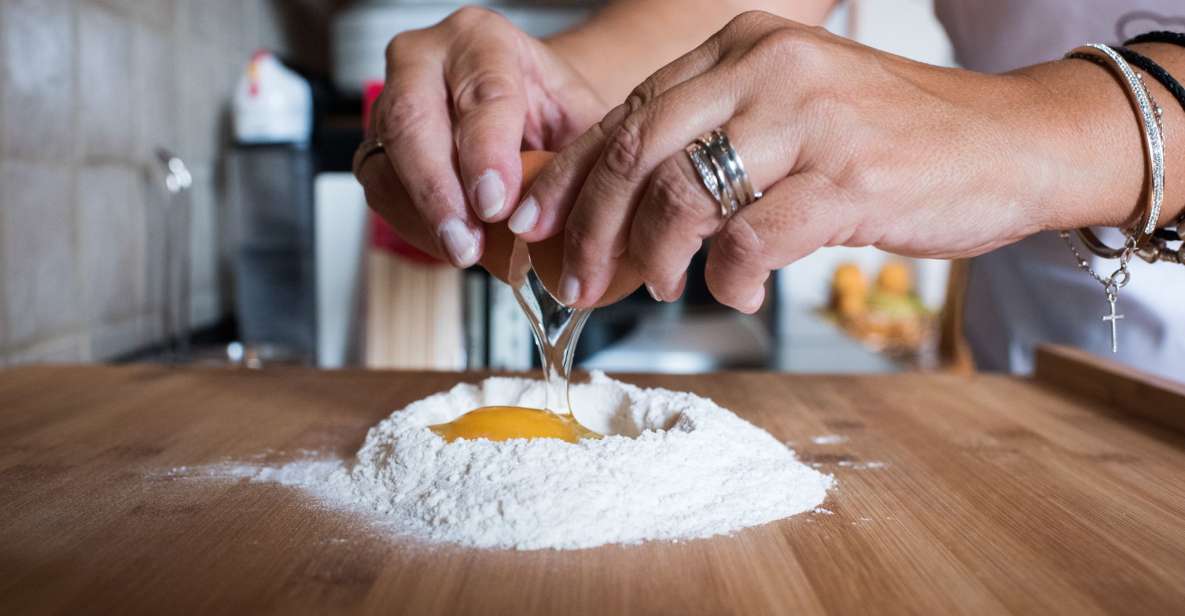
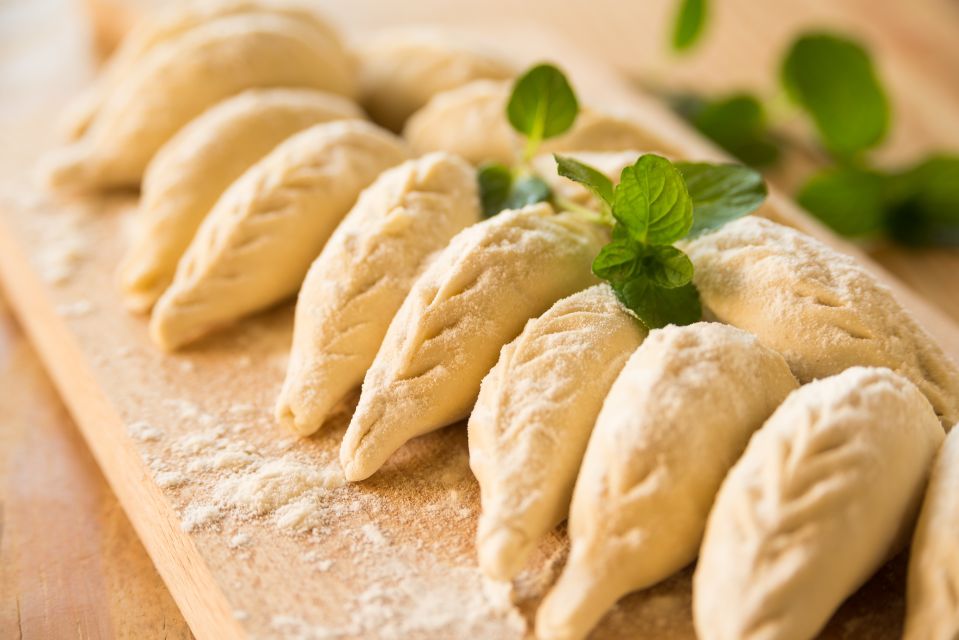
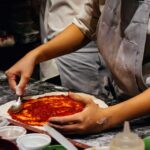
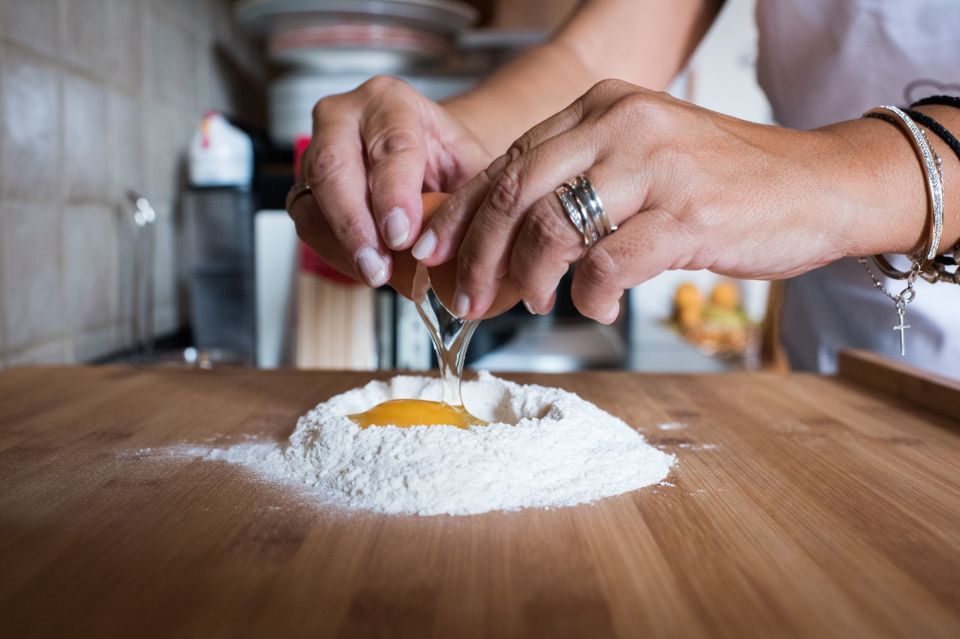
Most pasta classes teach shapes. This one starts earlier, with sfoglia, the fresh pasta dough itself. You’ll learn how to roll it by hand—so you feel the dough as you work, not just follow steps blindly.
Why this matters: when you understand sfoglia, you stop treating pasta as a rare restaurant event. You can make it at home and fix problems before they snowball. If the dough tears, sticks, or feels too dry, you’ll know what to adjust because you’ve handled it in real time.
You’ll also learn how to work the dough in a way that matches Italian home cooking logic: focus on consistency, don’t rush the texture, and give the dough the attention it needs. The goal is not perfection for show; it’s pasta you’ll be proud to serve.
And from what I’ve learned about how hosts teach, the emphasis is on confidence. When you see how much a small adjustment changes the final sheet thickness, the whole process stops feeling mysterious.
Two Pasta Types From Scratch: You’ll Learn More Than One Way to Eat
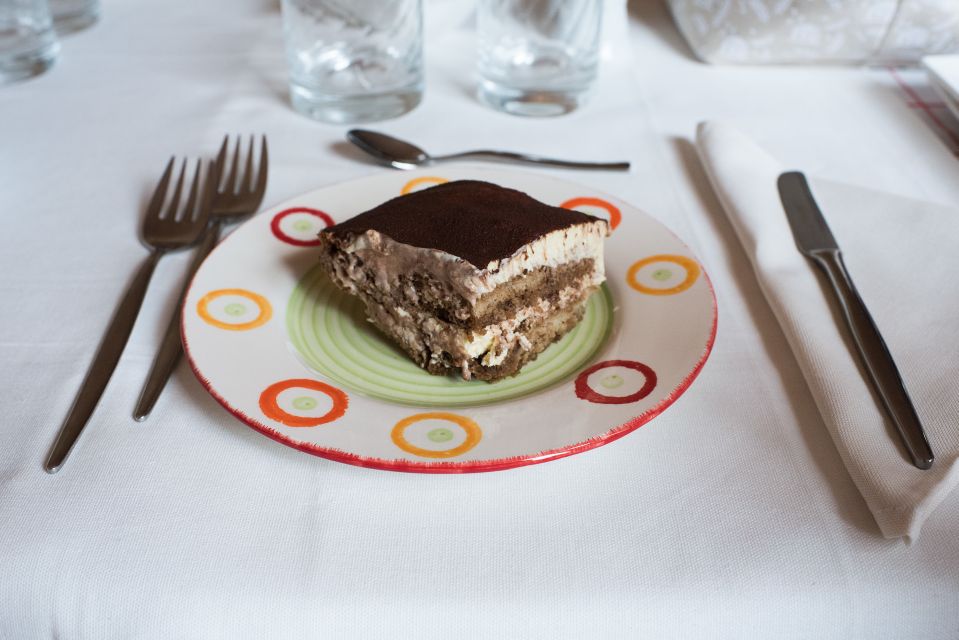
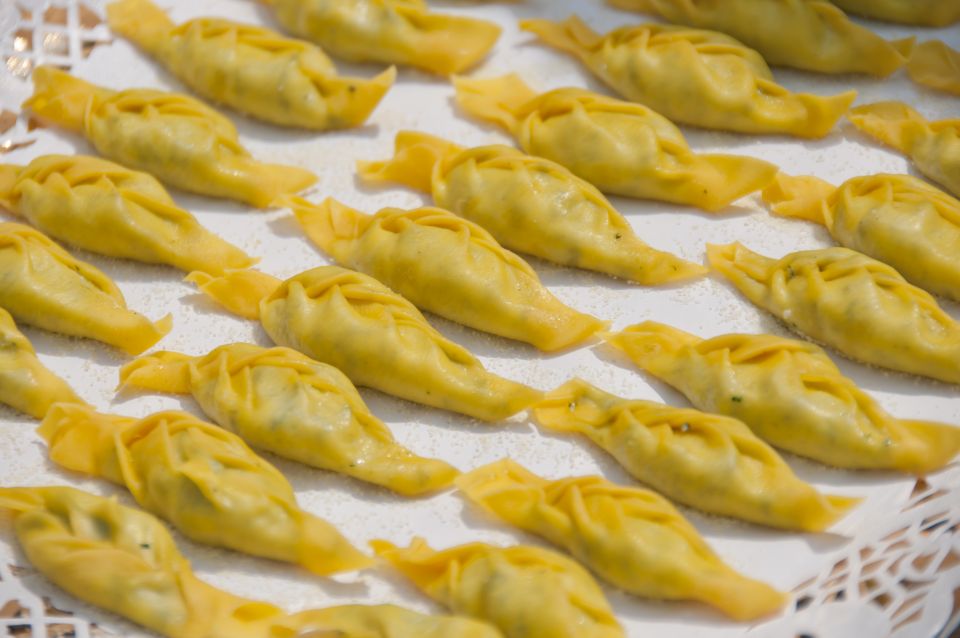
You’re taught two simple different pasta kinds from scratch with your Cesarina. That variety is smart. Instead of learning one trick and going home, you get a broader toolkit: different shapes (and often different sauces or serving styles) so your next meal doesn’t feel like copy-paste.
In practice, this usually means you’ll work through the full chain: mixing or preparing ingredients for the dough, shaping or assembling the pasta, and learning what the “right” stage looks like before cooking. Then you’ll taste what you made, which helps you understand how the flavors come together—not just how they’re described.
One extra perk: because you’re making two pastas, you can compare. You’ll notice how texture changes between shapes, and you’ll start thinking like a cook. That’s when Italian cooking becomes more fun, not less.
The Tiramisu Lesson: The Italian Dessert Everyone Talks About
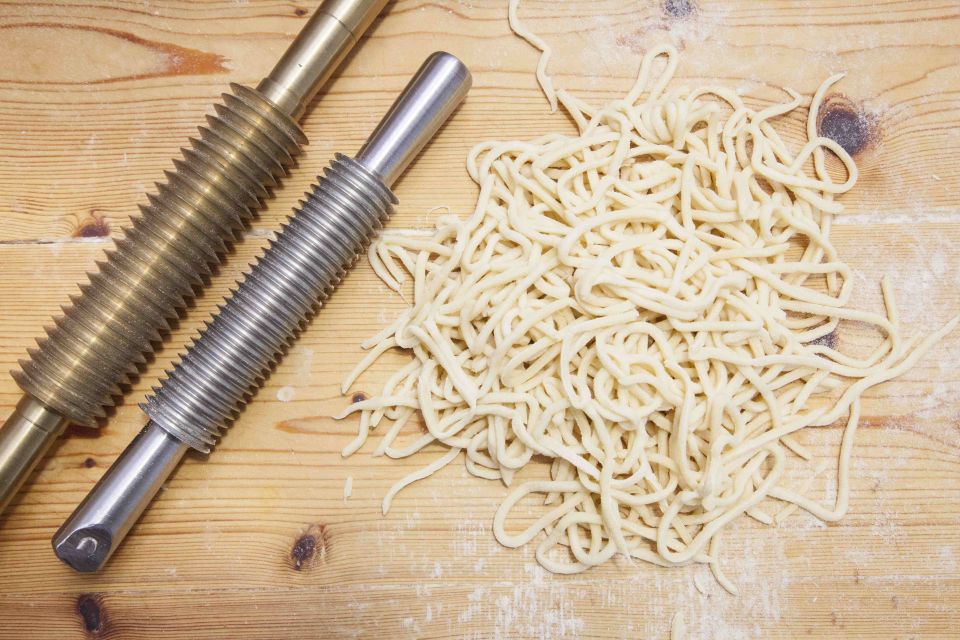
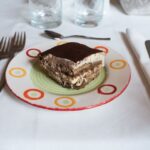
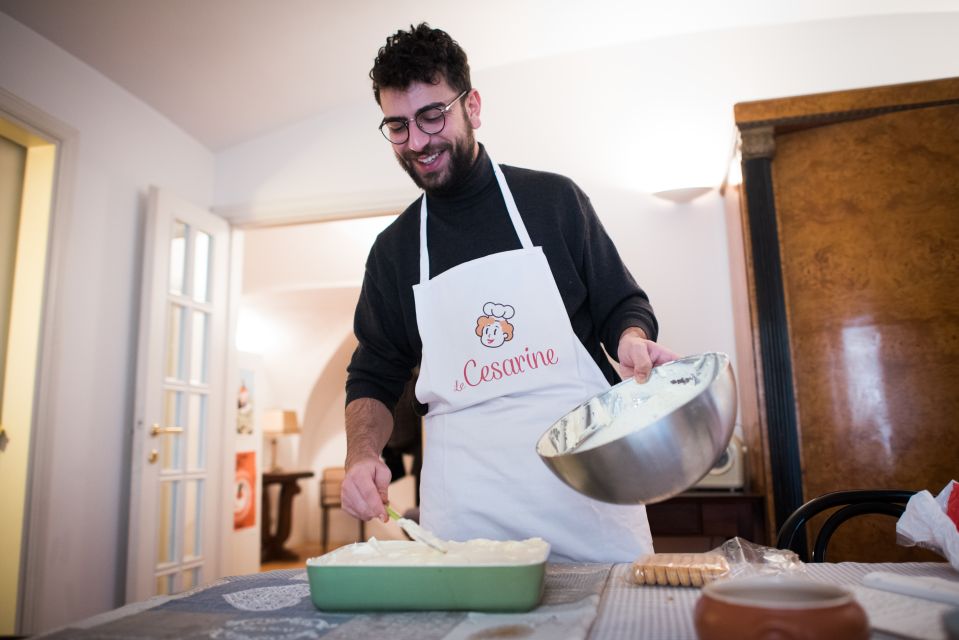
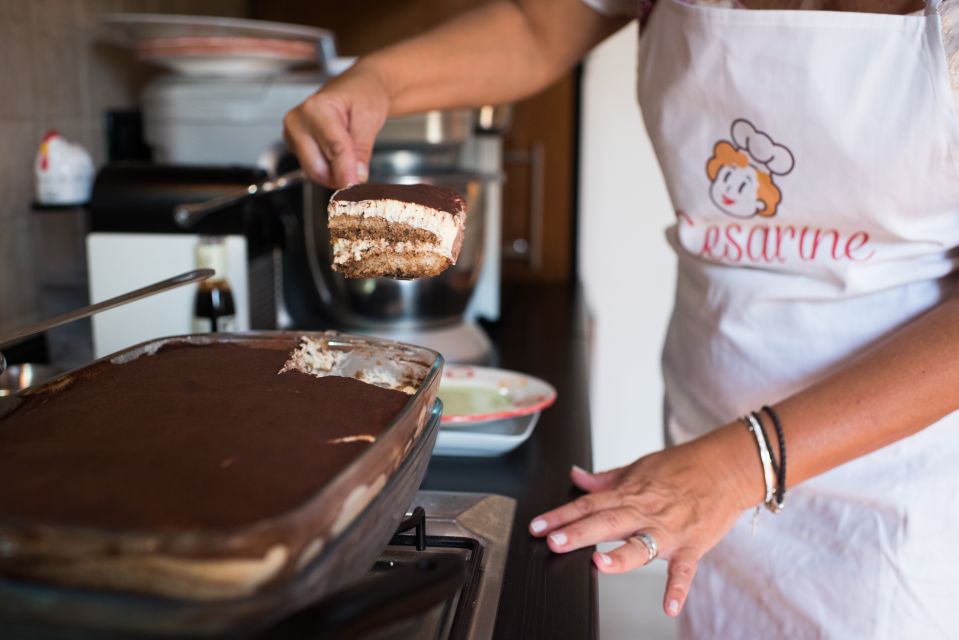
The class ends with tiramisu, and it’s not treated like a throwaway dessert. You learn how to prepare the iconic layers, and the way hosts guide you usually makes the difference between a decent dessert and one you’d happily repeat at home.
Tiramisu is also a great “teaching dessert” because it forces attention to timing and texture. If the components are off—too wet, too dry, not balanced—you feel it immediately when you assemble and taste.
The value here is that you’re not only learning the recipe. You’re learning the method that makes it work. And when a dessert lesson is paired with pasta cooking, you leave with a complete Italian meal mindset: savory first, then the sweet finale that tastes like it belongs on a late dinner table.
Aperitivo and Wine at the Table: How the Evening Really Flows
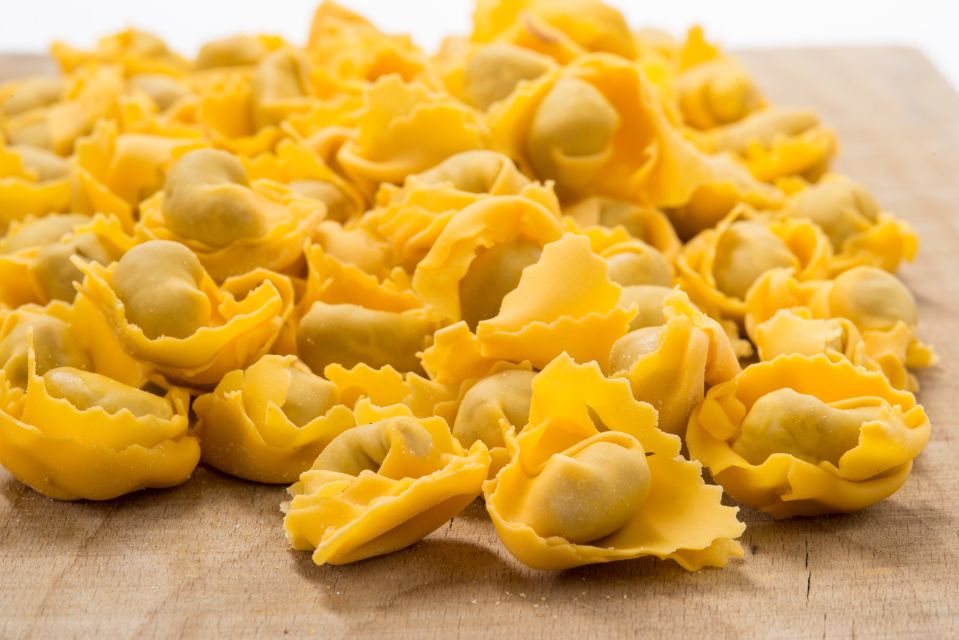
A good cooking class includes tasting, but this one is built around the idea of a shared meal. You start with an Italian aperitivo to warm up, then you cook, then you eat what you made. It’s a full-circle experience.
Included drinks and extras typically include:
- Prosecco and nibbles to start
- Water, wines, and coffee with the meal
That matters because it changes your mindset. You’re not just waiting for the next instruction—you’re settling in, enjoying the room, and letting the evening unfold. Several hosts are praised for creating a welcoming atmosphere where people laugh, talk, and feel comfortable even if they’ve never rolled pasta before.
If you’re traveling as a couple, this format is great because you’ll do most tasks together. If you’re traveling with friends, it’s just as good because there’s built-in conversation while you cook and while you eat.
You can also read our reviews of more tours and experiences in Como

Price and Value: What You’re Actually Paying For
At $215.24 per person for about 3 hours, this isn’t a budget activity. But it can be worth it if you care about real instruction and a meal you didn’t just buy.
Here’s where the value comes from:
- You’re paying for a private home setting rather than a generic venue.
- You get instruction to make multiple dishes (two pasta types plus tiramisu), not one.
- You eat what you cooked with wine, coffee, and included refreshments.
- The class stays small, so questions and adjustments are realistic.
That said, I’d be honest with you: if your only goal is to eat Italian food, you could find cheaper dinners. The point of this experience is learning the techniques—especially rolling sfoglia by hand—and getting comfortable recreating an Italian meal at home later.
Logistics That Matter: Meeting Address and Timing Without Stress
The meeting point works a little differently than most tours. For privacy, you receive the full address of your host after booking, and you’ll get exact instructions by contact details in your confirmation voucher.
This is a good system for privacy, but it also means you need to be a careful adult about timing. If you rely on old messages or mismatched directions, you can easily end up at the wrong spot. My practical advice: save the message with the exact address, reread it before you leave, and if anything is unclear, message the host right away so you’re not walking around Como guessing.
Timing is also straightforward, but plan for buffers. The cooking class usually begins at 10:00 AM or 5:00 PM, and the provider says they can be flexible if you tell them in advance about travel needs. If you have a tight schedule—like a train connection or another tour right after—give yourself padding so you don’t feel rushed.
Group size is small, limited to 8 participants in the operator details, even if some summaries mention up to 12. Either way, you’ll want to show up on time because the lesson pace matters once the dough and ingredients are ready.
Who This Suits Best (and Who Might Want a Different Plan)
This experience is ideal if you want more than a food stop. It’s for people who like learning by doing, enjoy conversation, and want a comfortable, home-based taste of Italian cooking.
It also suits families when the host is prepared for mixed ages. At least one host approach is described as being great with a 10-year-old, including providing games. So if you’re traveling with kids, you might find this more engaging than a strict, adult-only class—just confirm details when you book.
You might consider a different activity if:
- You’re mainly shopping for the cheapest way to eat well.
- You’re nervous about arriving at a precise residential address without a clear public landmark.
- You have very limited time and can’t spare a full 3-hour block.
But if you want a memorable Como evening where you leave with skills, not just photos, this fits nicely.
Dietary Requests: How to Make Sure Your Menu Works
Good news: the provider says they can cater to all dietary requirements upon request, including vegetarian, vegan, and gluten-free options. That’s not just a checkbox. In a cooking class, diet adjustments affect ingredients and preparation, so it’s smart to ask early.
My suggestion: when you book, use the request field (or message the host through the confirmation details) and be specific about what you need. That helps the team plan so you can cook and eat comfortably at the table.
Final Verdict: Should You Book the Como Pasta and Tiramisu Class?
If you want the classic Italian experience in the most hands-on way possible, I think this class is a strong choice. You’ll roll sfoglia by hand, make two pasta types, learn tiramisu, then enjoy everything you prepared with wine and coffee in a real home setting. Hosts like Vincenzo and Stephania (and others such as Carolina and Simona, Beatrice, Anna, and Morena, depending on your date) are repeatedly praised for warmth and teaching that feels personal.
Book it if:
- You care about technique and want a meal you can recreate.
- You like small groups and a relaxed dinner atmosphere.
- You’re okay with paying for a home-based, instructor-led experience.
Think twice if:
- Your budget is tight.
- You hate logistics around private addresses (even though the process is managed by the voucher instructions).
- You only want food, not cooking skills.
If you check those boxes, you’re likely to come away feeling like Como didn’t just feed you. It taught you.
FAQ
What dishes will I learn to make?
You’ll learn how to roll fresh pasta dough (sfoglia) by hand, make two different types of pasta from scratch, and prepare the iconic tiramisu.
How many people are in the class?
The class is a small group. The operator details say it’s limited to 8 participants.
How long is the experience, and when does it start?
The duration is 3 hours. It usually starts at 10:00 AM or 5:00 PM, and the provider says they can be flexible if you advise them in advance.
What drinks are included?
You’ll have water, wines, and coffee with the meal, and you’ll also start with Prosecco and nibbles during the aperitivo.
Do we taste what we make?
Yes. You’ll enjoy a tasting of the two pasta recipes and the tiramisu.
Can the class handle dietary restrictions?
Yes. Dietary requirements can be accommodated on request, including vegetarian, vegan, and gluten-free options.
What languages will the instructor use?
The instructor speaks Italian and English.
Can I get a full refund if plans change?
Yes. Free cancellation is available up to 24 hours in advance for a full refund.