REVIEW · COMO
Como: Market Tour and Cooking Class at a Local’s Home
Book on GetYourGuide →Operated by Cesarine · Bookable on GetYourGuide
A market stop can be an education. In Como, you’ll shop and cook with a certified home cook and end with a three-dish tasting you actually make. It’s hands-on Italian food learning, not a demo.
I especially like two things: you’ll see how to pick ingredients at the local market, and you’ll sit down right after cooking to taste what you prepared, with wine included. One possible consideration: because the class happens in a private home, the exact address and meeting details come only after booking for privacy.
In This Review
- Key points to know before you go
- Como Market Tour and Cooking Class: why it works better than a restaurant meal
- Time windows and your 4.5-hour plan
- The local market tour: picking ingredients the Italian way
- Cooking class in a private home: what that setup changes
- Three regional recipes, taught with tricks of the trade
- Tasting everything you make: wine, coffee, and the home-table moment
- Small group size and the role of Cesarine hosts
- What to expect emotionally: a fun class that still feels respectful
- Value in how you leave: skills you can actually use
- Who should book this Como home cooking class
- A possible drawback to plan around
- Should you book this Como experience?
- FAQ
- How long is the Como market tour and cooking class?
- Where does the cooking class take place?
- Are the class instructions available in English?
- What will I cook and taste?
- Is wine included?
- What group size is this?
- Can I request dietary requirements?
Key points to know before you go
- Small-group cooking with a certified home cook (limited to 10)
- Market visit to learn what to buy and why
- Three authentic local recipes taught during the class
- Wine included with your tasting, plus water and coffee
- English and Italian instruction for clear, relaxed learning
- Home-table dining that turns recipes into real skills
Como Market Tour and Cooking Class: why it works better than a restaurant meal
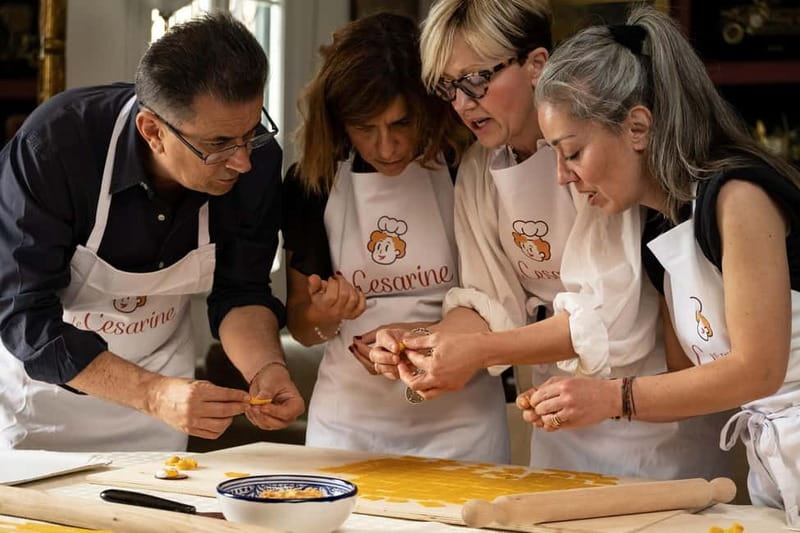
In many cooking experiences, you watch someone cook and then eat. Here, you do the shopping and the cooking, then you eat what you made. That changes how you remember the food. You connect ingredients to flavor, and you connect techniques to results.
This is set in Lombardy, and you’re not just learning generic Italian cooking. You’re learning recipes tied to the local region and how people actually prepare them at home. The class is run by Cesarine, and the instructor is a home cook who brings family-style knowledge into the kitchen.
Also, the pace makes sense for a 4.5-hour experience. You get time for the market, time to cook, and time to taste without feeling rushed.
You can also read our reviews of more tours and experiences in Como.



Time windows and your 4.5-hour plan
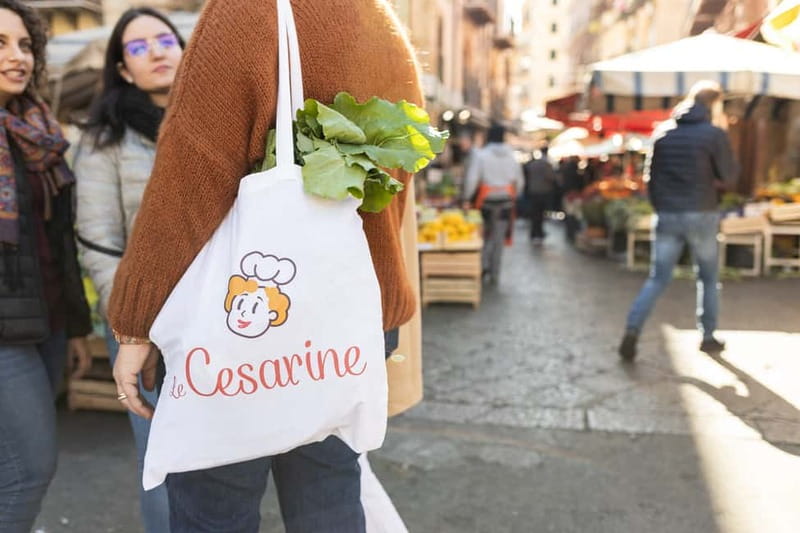
The experience runs about 4.5 hours, and you’ll typically see start times around 9:00 AM or 4:00 PM, sometimes adjusted to fit your schedule. That flexibility matters in real travel terms: if you’re doing other Como plans, you can usually find a slot that doesn’t wreck your day.
It also helps that the group is small (up to 10). You’re more likely to get questions answered and step-by-step guidance during the cooking.
If you’re the type who likes to understand the “why” behind food choices, this format is a good match. You’re given context at the market, and then you use it in the kitchen.
The local market tour: picking ingredients the Italian way
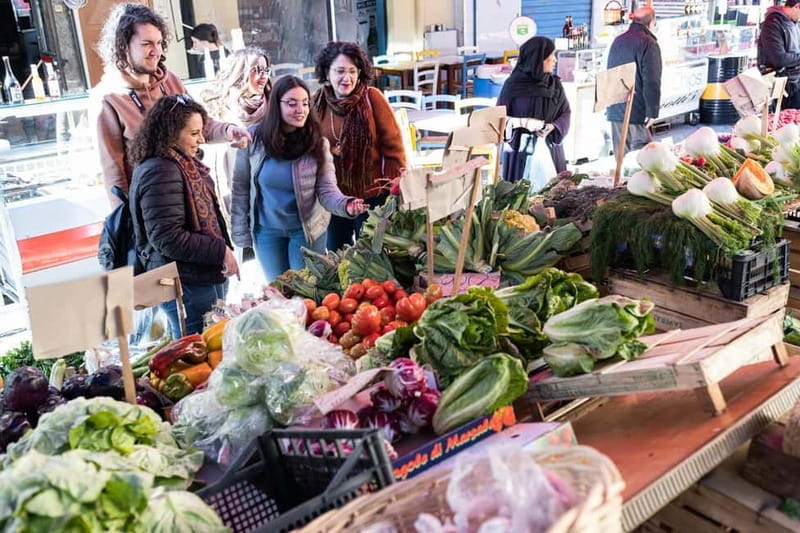
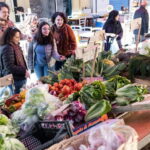
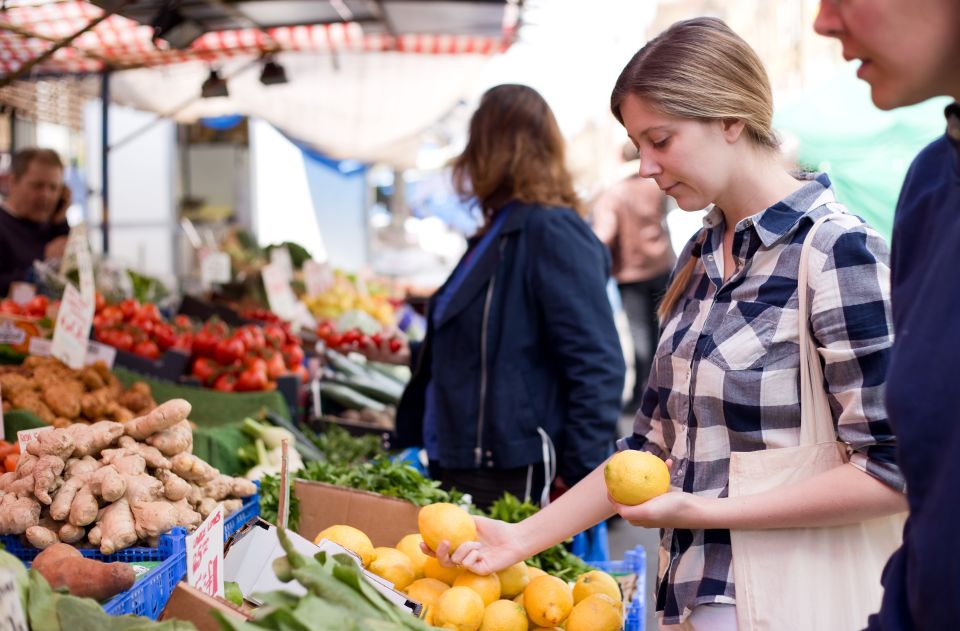
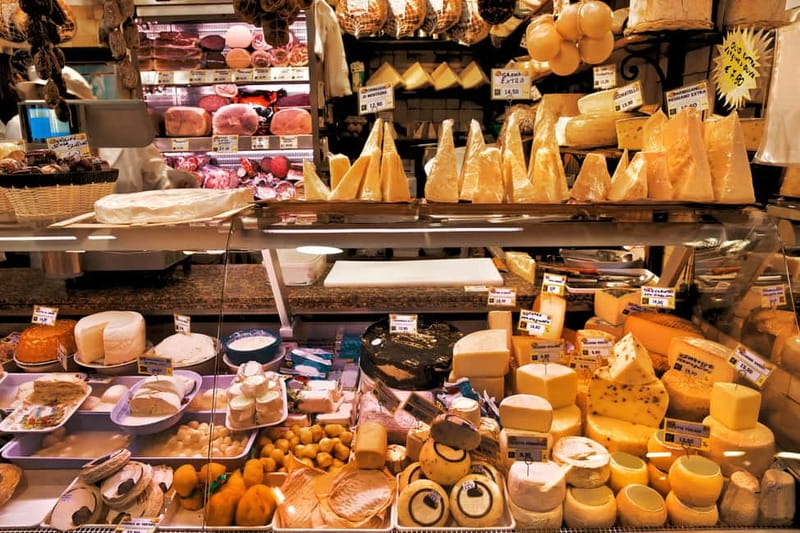
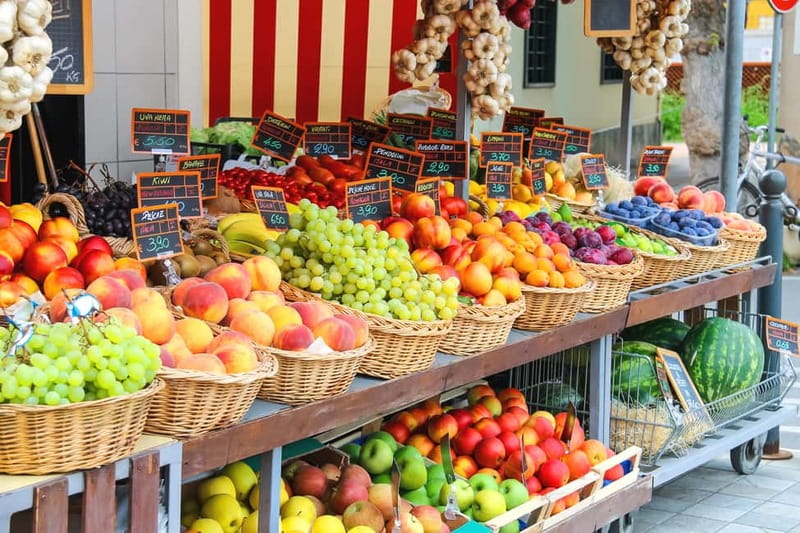
The market visit is where the experience starts to feel personal. You’re going food shopping like a local in a distinctive Italian local market, and the goal is practical: learn how to recognize good produce from the land.
What that means for you in the real world:
- You’ll pay attention to quality cues while you’re there, not after you get home.
- You’ll understand that “fresh” isn’t a single word; it’s tied to what looks right, what feels right, and what the market is offering that day.
- You’ll build confidence in ingredient choices you can repeat later.
This part isn’t just sightseeing. It’s the foundation for the cooking class. If you’ve ever bought ingredients back home and wondered why they don’t taste the same, it’s often because the shopping instincts weren’t trained. A market lesson helps fix that.
Cooking class in a private home: what that setup changes
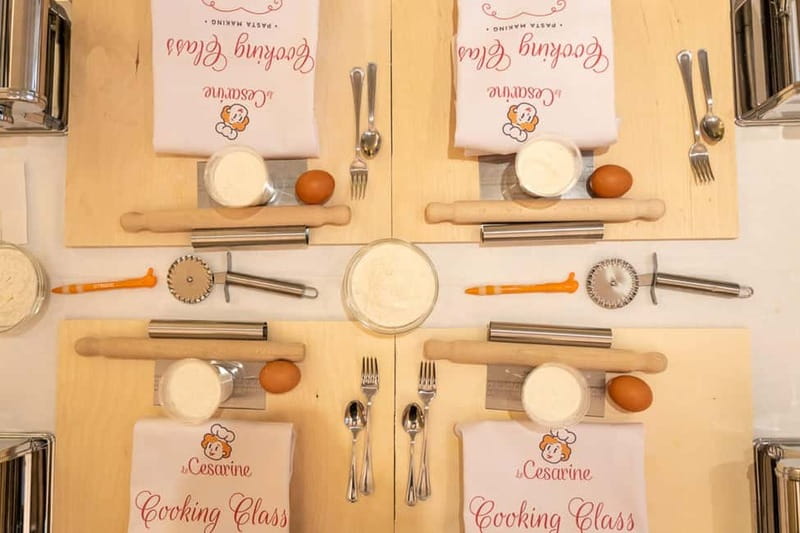
Your cooking class happens in a local family home. For privacy, you receive the full address of your host after booking, and once you arrive you’ll be in a kitchen environment that feels real rather than staged.
That home setting matters. It usually means:
- More focus on how people actually cook day to day.
- A warm atmosphere that supports questions and small-group interaction.
- A table-centered experience, since the tasting happens around the meal you make.
The instructor is listed as English and Italian, which is a big deal for comprehension. Even if your Italian is limited, you can still follow what’s happening step by step. And if you do speak some Italian, you’ll likely enjoy catching extra nuance along the way.
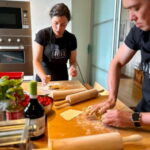
Also worth noting: the workstation is set up with utensils and all ingredients needed for the lesson. So you’re not scrambling to assemble tools or track down obscure ingredients before the class.
Three regional recipes, taught with tricks of the trade
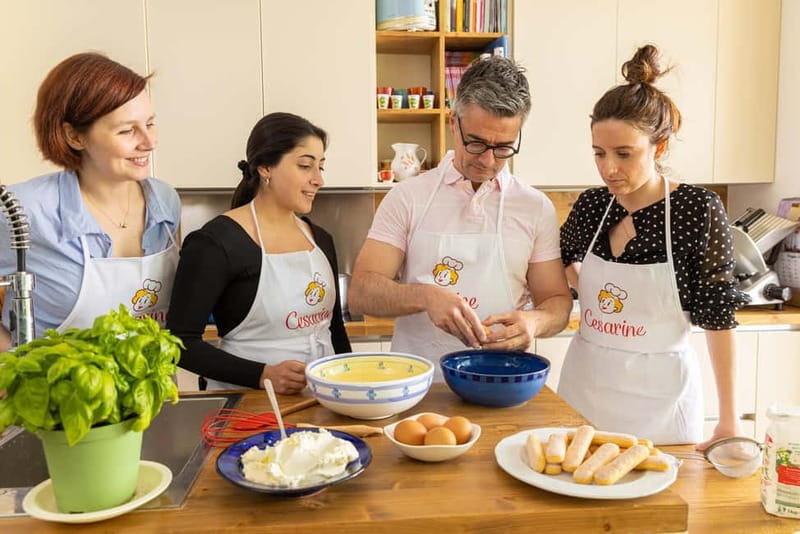
During the class, the cook reveals the tricks of the trade for three authentic local recipes. The focus isn’t on fancy plating or restaurant theatrics. It’s on technique and decision-making—what to do, when to do it, and how to tell if it’s going right.
You’ll have a workstation equipped with everything you need, and you’ll get hands-on practice making each dish. The experience is designed so you can test your cooking skills in a guided, supportive way.
A useful mindset here: don’t just aim to make the dishes. Aim to understand the sequence—what happens first, what changes next, and what the final texture or taste should be. Once you know those cues, you can recreate the dishes later without copying every exact step like a robot.






Tasting everything you make: wine, coffee, and the home-table moment
After cooking, you taste everything you prepared. The tasting is built into the experience so you don’t feel like the class is separate from the meal.
The drinks are part of the structure too. You’ll have wine with the tasting—both red and white local wines—plus water and coffee. This turns the class into a full food experience, not just a snack between activities.
Sitting around the table and eating what you made also changes your learning. You can immediately connect:
- The ingredient choices you made (or learned to make) at the market
- The techniques used during cooking
- The flavors you end up tasting
If you like food that feels tied to place, this is where it clicks. You’re not chasing a restaurant version of Lombardy cuisine. You’re experiencing it at home, as a real meal.
Small group size and the role of Cesarine hosts
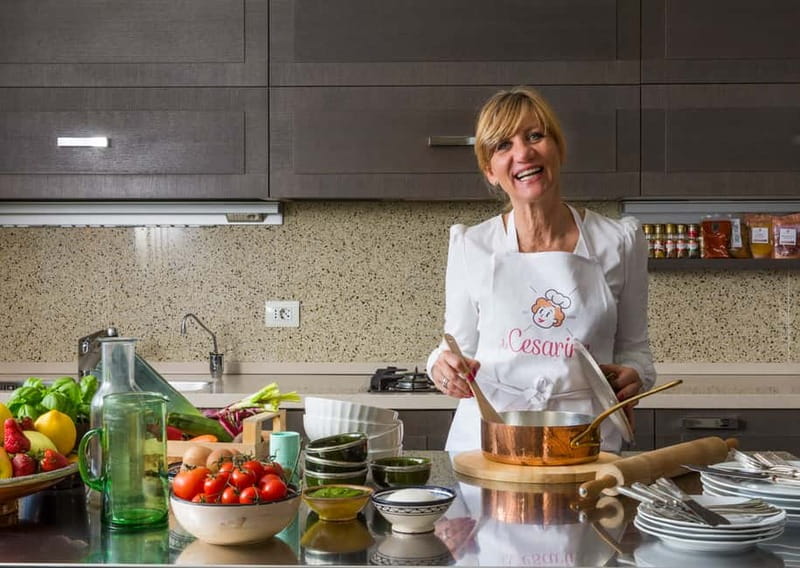
This experience limits groups to 10 participants, which is a practical advantage. In larger classes, it’s easy to get stuck watching or to hesitate when you have a question. Here, you’re more likely to get personal attention while you’re cooking.
The instructor experience seems to be a major part of why the course works. The names that come up often are Stefania and Vincenzo, and their hospitality and instruction are highlighted as key reasons people recommend the class. In other words, you’re not just buying recipes—you’re learning from people who know how to teach at home.
And because the experience is run through Cesarine, you’re tapping into a model built around home cooking rather than a kitchen studio. That usually results in more relaxed, human interaction.
What to expect emotionally: a fun class that still feels respectful
A good cooking class feels like play with purpose. This one balances both. You’ll be learning local recipes from family cookbooks, and you’ll be actively cooking and tasting as a group.
The tone you should expect is warm and welcoming, because it’s a home-based experience. That means you’ll likely feel comfortable asking questions if something isn’t clear. You’re also more likely to leave with stories and context, not just a list of ingredients.
One more “real-world” point: since you’re eating what you make, the meal ends up being a reward. That makes the cooking time feel worth it rather than like a chore.
Value in how you leave: skills you can actually use
This is where the experience earns its keep. You’re not leaving with souvenirs. You’re leaving with Italian cooking skills you can use later.
If you cook at home, you’ll probably be able to repeat at least some of what you learned. The market piece is especially valuable because ingredient selection is half of the battle. Recipes matter, but buying the right produce on the right day helps a lot.
Even if you don’t cook much now, you’ll still gain something durable: a clear understanding of how Lombardy dishes come together and what “good” should look and taste like.
Who should book this Como home cooking class
This fits you best if you want:
- A market-to-table food experience in Lombardy
- Hands-on cooking (not just watching)
- A small-group setting where you can ask questions
- Wine-included dining that feels local and personal
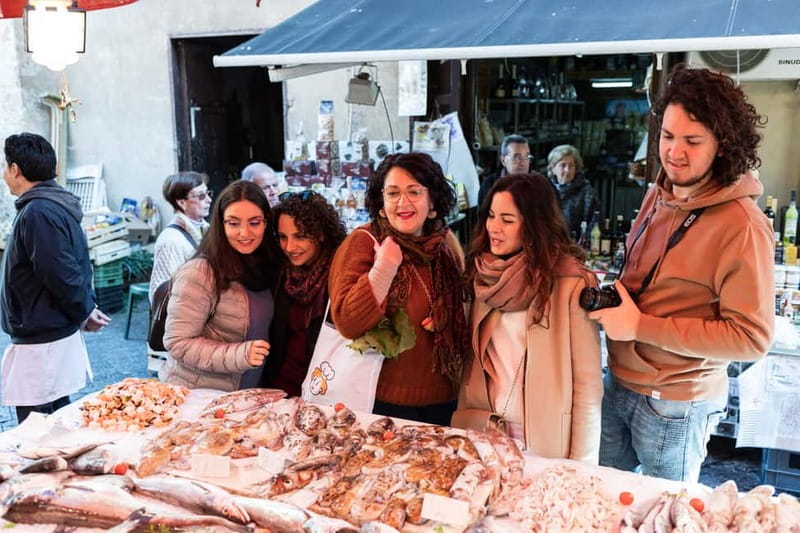
It’s also a great match if you travel with friends or family and want something you’ll all remember as a shared activity—shopping, cooking, then eating together.
A possible drawback to plan around
The main thing to consider is the private-home setup. The address is confirmed after booking, and the experience is held in a local family home for privacy reasons. That’s normal for this style of tour, but it does mean you won’t know the exact meeting point until you reserve.
If you’re very schedule-tight, it’s also important to double-check the actual start time you’re assigned (classes usually begin around 9:00 AM or 4:00 PM, but times can shift to accommodate you).
Should you book this Como experience?
If you like food learning that’s practical and human, I’d say book it. You get the full chain: market selection, guided cooking for three regional recipes, and a sit-down tasting with red and white local wines, plus water and coffee. The small group size and home setting make it easier to connect with the cook and actually learn.
Skip it only if you prefer a strictly public, professional setting or you want a short, drop-in experience. Here, the value is in the time you spend together doing real work in the kitchen.
FAQ
How long is the Como market tour and cooking class?
It lasts about 4.5 hours.
Where does the cooking class take place?
The class happens in a local family home. For privacy, the exact address is sent after you book.
Are the class instructions available in English?
Yes. Instruction is provided in English and Italian.
What will I cook and taste?
You’ll learn three authentic local recipes and taste everything you prepare.
Is wine included?
Yes. The tasting includes local wines (red and white), along with water and coffee.
What group size is this?
It’s a small group limited to 10 participants.
Can I request dietary requirements?
Yes. You should list any dietary requirements during booking.