REVIEW · MILAN
Milan: Leonardo da Vinci Life Walking Tour
Book on GetYourGuide →Operated by NEIADE Tour & Events · Bookable on GetYourGuide
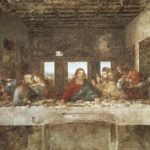
Leonardo in Milan, on foot, in 90 minutes. This walking tour puts you at the heart of Santa Maria delle Grazie, where the Last Supper story lives, then carries you toward the Sforza Castle area with a guide who links buildings to Leonardo’s life.
I really like the simple structure: three Leonardo-linked stops that you can actually see and understand on foot, including the courtyard setting of Casa degli Atellani and the castle grounds that connect art, politics, and unfinished genius. You end with a cleaner mental map of where Leonardo spent time and what the big patrons wanted.
One possible drawback: the tour’s big headline sites come with an asterisk. Tickets for Last Supper and for castle museum interiors are not included, so your experience depends on what you’ve separately booked and what’s possible on your day.
In This Review
- Key points to know before you go
- Price and time: what $100 buys in 90 minutes
- Where you meet and how the walking pace feels
- Stop 1: Santa Maria delle Grazie and the basilica you might miss
- Stop 2: Casa degli Atellani courtyard and Leonardo’s vineyard link
- Stop 3: Sforza Castle courtyards, art patrons, and the unfinished Sala delle Asse
- What is actually included (and what you must plan separately)
- The guide factor: when a great host makes or breaks it
- Real-world watch-outs from past bookings
- Who this walking tour suits best
- How to get the most out of 1.5 hours
- Value check: is it worth $100?
- Should you book the Milan Leonardo da Vinci Life Walking Tour?
- FAQ
- What does the tour include?
- Are tickets for Leonardo’s Last Supper included?
- Do I need tickets for Casa degli Atellani?
- Do you include entry to Sforza Castle museums?
- Where is the meeting point?
- What languages is the tour offered in?
Key points to know before you go
- Start at Santa Maria delle Grazie: you get the basilica itself, not just the famous painting setting next door.
- Casa degli Atellani is an outside look: you see it from the outside and hear why the courtyard mattered for Leonardo.
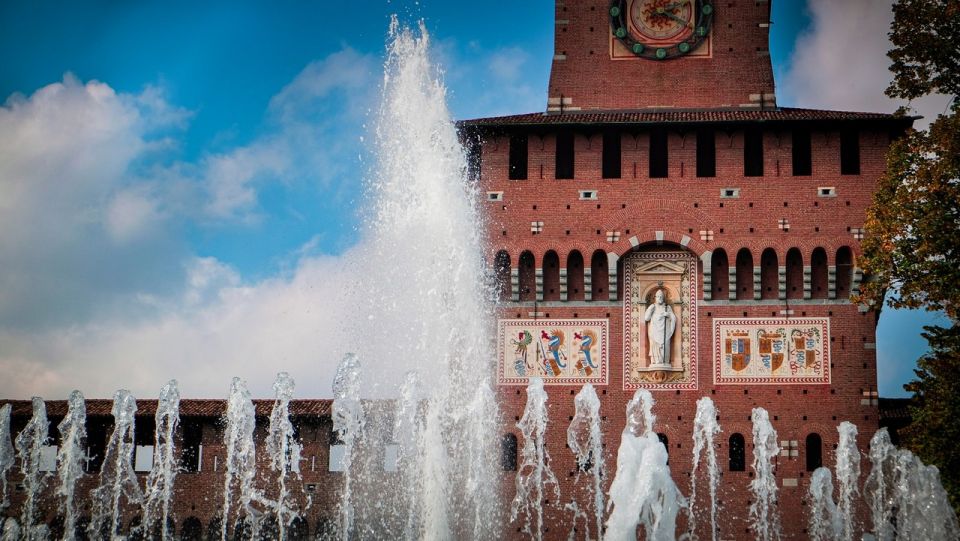
- Sforza Castle focus is the grounds: courtyards and key spaces, not the full museum complex.
- Tickets are the main variable: Last Supper and museum entries are excluded, so plan those separately.
- Short and tight (1.5 hours): it’s designed for seeing the right places quickly rather than lingering.
- English and Italian guide: live guidance throughout, with a private-group format.
Price and time: what $100 buys in 90 minutes
This tour costs $100 per person for about 1.5 hours. That’s not a bargain price, and it shouldn’t be. You’re paying for a live guide and a focused walk through a very specific slice of Leonardo da Vinci’s Milan—places connected to the artist’s time at Ludovico il Moro’s court.
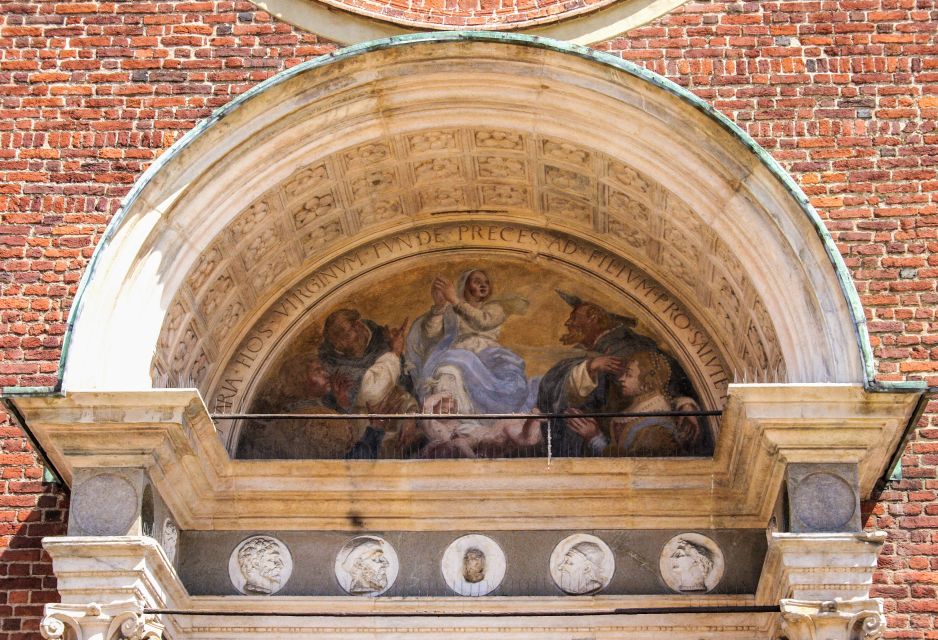
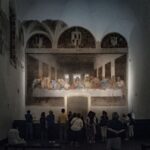
The value here is the framing. Without guidance, Santa Maria delle Grazie is easy to treat as a one-point destination: people rush to the Last Supper and move on. With a guide, you’re encouraged to notice the basilica complex as a work of art and architecture too, and to connect the dots between Milan power centers and Leonardo’s role.
If you’re hoping for a full museum day or guaranteed access to the Last Supper painting, you should read the fine print closely (more on that soon). If you want a guided walking orientation that helps you appreciate what you see, this can feel money-well-spent.
You can also read our reviews of more walking tours in Milan

Where you meet and how the walking pace feels
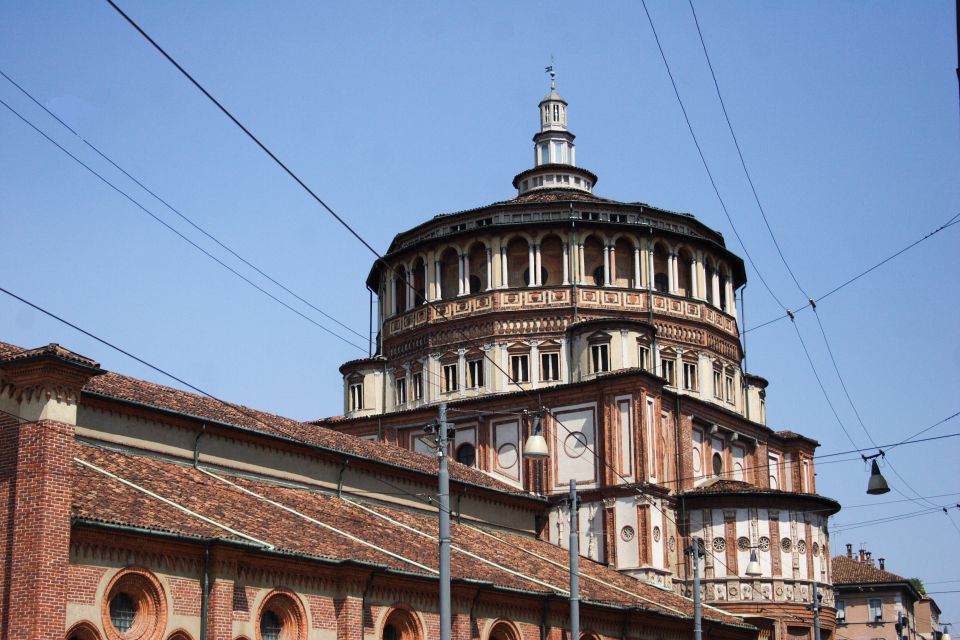
You meet the group just in front of the Church of Santa Maria delle Grazie. That matters because the start sets expectations: you begin at the basilica complex area, not at some distant transit stop. In a city like Milan, that saves time and helps you get your bearings quickly.
Since the tour is private group, the pacing is usually more flexible than a big public group shuffle. Still, remember the clock is short. This is a 90-minute overview tour, so it’s about highlights and interpretation—not hours of reading plaques or wandering inside every room.
Stop 1: Santa Maria delle Grazie and the basilica you might miss
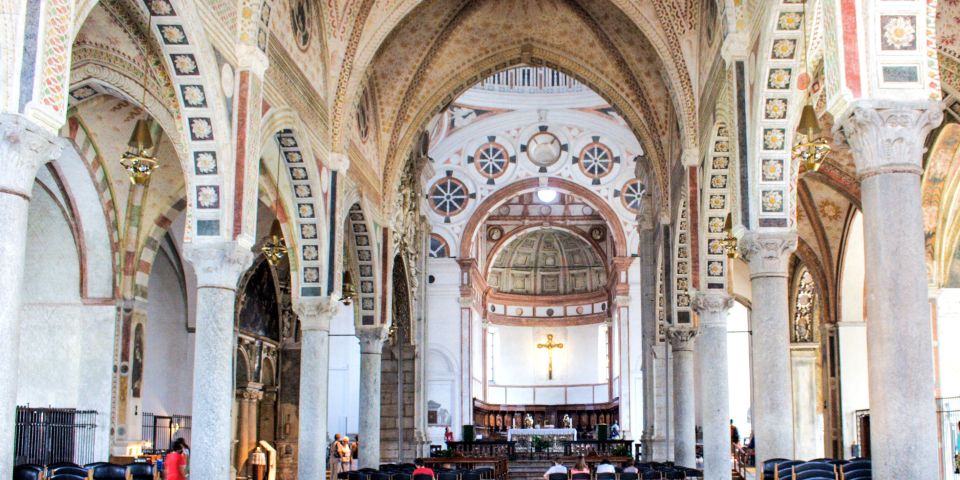
The tour’s first destination is the Basilica of Santa Maria delle Grazie, right by where Leonardo’s Last Supper would be discussed. Even if your main reason for coming to this complex is the famous mural, I like that the experience starts with the basilica itself.
Why that’s smart: the Last Supper is famously tied to Leonardo, but the setting is also part of the story. The basilica complex has deep layers—art, architecture, and meaning—so a guide can help you see why this place became such a magnet for attention. You’re not just staring at a single masterpiece; you’re understanding the bigger stage.
One practical note: entry to the basilica is included if possible, unless there’s a liturgical celebration. That means you might get inside to appreciate the architecture, or you might be limited by what’s happening on the day. Either way, you’ll still anchor the tour at the right starting point.
Stop 2: Casa degli Atellani courtyard and Leonardo’s vineyard link
Right next to Santa Maria delle Grazie, you’ll admire the Casa degli Atellani from the outside. This is one of those Milan addresses that sounds obscure until someone explains why it matters for Leonardo.
The courtyard is the key. It’s known that Leonardo da Vinci—invited by Ludovico il Moro to work as a kind of helper-hand artisan in the court ecosystem—spent days here. The story becomes more vivid because the courtyard is tied to his personal vineyard, described as beloved and important to him.
Even without ticket access to the site, a good guide can make this stop work. You’re really learning how to place Leonardo in Milan’s everyday spaces: workshops, courtyards, and the “behind the scenes” environments where court artists lived and worked.
If you’re a big fan of context, this is one of the more rewarding parts of the tour. It shifts Leonardo from museum-famous genius to a person in a specific neighborhood with specific routines.
Stop 3: Sforza Castle courtyards, art patrons, and the unfinished Sala delle Asse
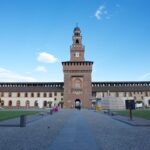
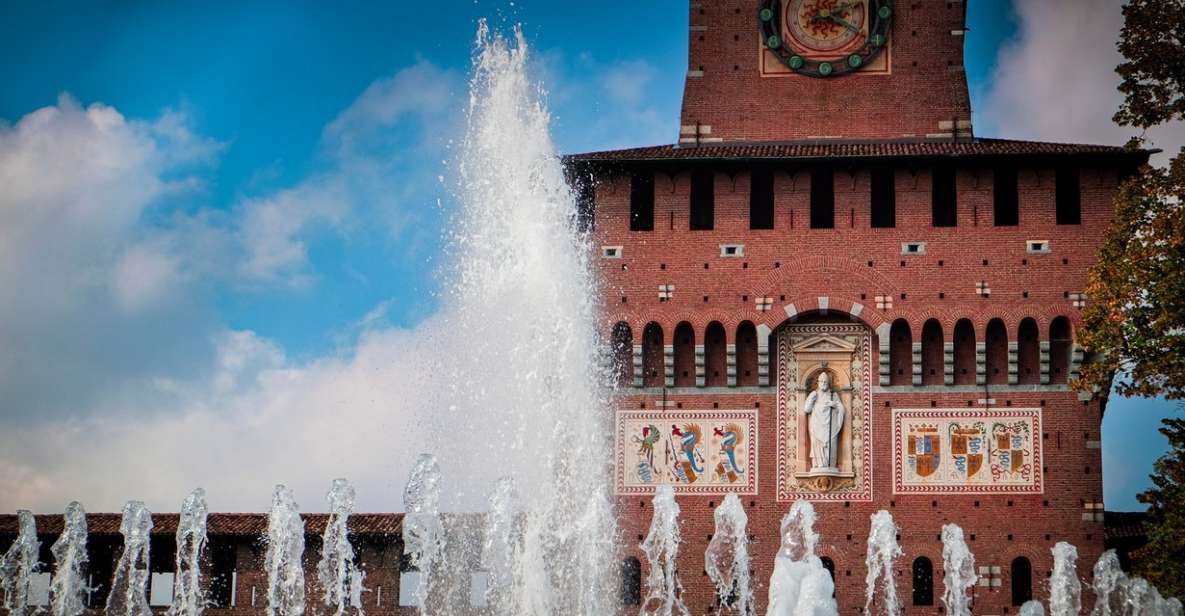
Next up is Castello Sforzesco, the castle complex that dominated central Milan. This stop is more than a photo stop. Ludovico il Moro called major artists to the court to decorate the castle, and Leonardo da Vinci is part of that story too.
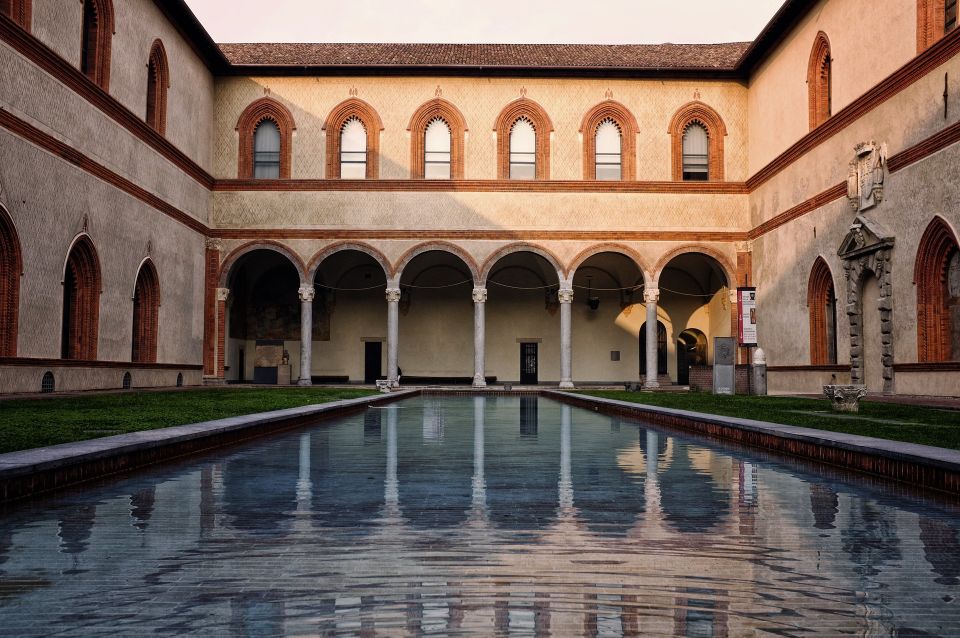
You’ll walk outside the castle and then through its courtyards. Even without museum ticket entry, the courtyards help you feel the scale of the place. Leonardo didn’t create in a vacuum. He worked inside a political and cultural machine—one that used art to display power and taste.
There’s also a specific Leonardo connection worth paying attention to: Sala delle Asse, described as one of Leonardo’s most important unfinished works, and located inside the Sforza Castle complex. It’s under restoration today, which is a reminder that art history doesn’t always mean polished finished objects. Sometimes you’re seeing a work in process—and that changes how you think about Leonardo’s methods.


What is actually included (and what you must plan separately)
Here’s the simple breakdown so you can avoid disappointment:
Included
- A tour guide for the 1.5-hour walking experience
- Entry to the Basilica of Santa Maria delle Grazie if possible (unless a liturgical celebration affects access)
Not included
- Tickets for Casa degli Atellani
- Tickets for Sforza Castle museums
- Tickets for the Last Supper
This matters because several bookings have the same problem: people sign up expecting the Last Supper painting itself to be part of the tour. The tour name and the location make that expectation understandable. But the painting ticket is not included, and access can depend on separate reservation rules and closures.
My practical advice: if Last Supper access is your top priority, make sure you’ve separately handled that before the tour date. Think of this as the guided story around the sites, not a ticket package that guarantees the mural.
The guide factor: when a great host makes or breaks it
The best versions of this tour are all about the guide’s storytelling. One review praised a guide for being excellent and knowledgeable, with lots of useful information about the history of the city and the artworks and buildings you’re walking past. That kind of interpretation is exactly what turns a short tour into a satisfying one.
A second big theme in the feedback: when the tour description doesn’t match what people assume they’re getting, frustration lands on the experience even if the guide does their best. In at least one case, the guide tried to explain that something needed to be clearer, but the group still left without seeing what they thought they booked.
So, what should you do? Go into this tour with the right mental checklist:
- Expect guided viewing and context at the basilica complex, Casa degli Atellani exterior/courtyard context, and Sforza Castle courtyards.
- Confirm your Last Supper and museum plans separately.
- Treat the tour as a guided primer.
Real-world watch-outs from past bookings
With a rating that includes low scores, it’s fair to address the downsides you might actually run into.
First, there’s the risk of a no-show. One booking reported that the guide did not turn up and there was no warning, which wasted sightseeing time waiting at the meeting spot. That’s the kind of failure you can’t fix with enthusiasm.
Second, there’s the expectation mismatch around the Last Supper. In one case, the group didn’t get in to see the Last Supper because it was a day when museums were closed, and they hadn’t realized the painting access was excluded. In another case, the guide was described as fabulous, but the buyers were disappointed because the painting wasn’t part of the tour despite assumptions created by the marketing description.
Those two issues are different, but they share a common cure: confirm access and inclusions before you go. If you want a day where the big indoor masterpieces definitely happen, you’ll need a plan that doesn’t rely on hope.
Who this walking tour suits best
This tour fits best if you want a guided walk that helps you understand Leonardo’s Milan through place-based storytelling.
You’ll likely enjoy it if you:
- Have limited time in Milan and want a focused route
- Like architecture and the “setting” behind famous artworks
- Plan to visit Last Supper separately and want context afterward (or before)
- Prefer courtyards, exterior viewpoints, and guided interpretation over long museum sessions
You might skip it or choose something else if you:
- Want the tour itself to include Last Supper access without separate planning
- Need full museum interiors inside Sforza Castle as part of the package
- Are traveling with strict timing where a missed indoor slot would ruin your day
Think of this as a guided orientation to Leonardo’s addresses, not a comprehensive ticket bundle.
How to get the most out of 1.5 hours
Because the time window is short, your preparation makes a big difference.
Before you go
- Decide what your top priority is: Last Supper access, castle museums, or guided context and courtyard viewpoints. This tour is strongest on the context side.
- If you’ve booked Last Supper separately, keep your timing aligned so you don’t end up doing that visit on a day that doesn’t work.
During the tour
- Ask questions about why Ludovico il Moro mattered and how court culture shaped artists. This is where the tour can get more interesting than just dates and names.
- Pay attention to the shift between inside and outside access. The story is still strong even when tickets aren’t included, but you’ll experience it differently.
After the tour
- Use the walk to plan what you do next. You’ll likely feel more confident choosing where to spend extra time—either back at Santa Maria delle Grazie, deeper into Sforza Castle museums (if you’ve got tickets), or wherever you want more Leonardo context.
Value check: is it worth $100?
For some people, $100 for 90 minutes will feel steep. For others, it’s fair because you’re buying interpretation in a compact format—exactly the thing that helps famous places click instead of blur.
The value equation depends on your expectations:
- If you want tickets bundled for Last Supper and museum interiors, you may feel shortchanged because those aren’t included.
- If you want a guided story that makes these sites meaningful, and you’re handling the separate tickets yourself, the tour can feel like a smart use of time.
Also, private-group format and an English/Italian live guide add comfort. You’re not just collecting sights. You’re getting a guided thread that ties Santa Maria delle Grazie, Casa degli Atellani, and Sforza Castle into one Leonardo-focused walk.
Should you book the Milan Leonardo da Vinci Life Walking Tour?
Book it if you want a guided, place-based introduction to Leonardo’s Milan and you’re okay handling key tickets separately. It’s a short tour, but it can be a helpful way to understand why these buildings matter—especially the basilica setting and the court environment around Leonardo’s work.
Hold off or choose carefully if your main goal is to see the Last Supper painting as part of the tour experience. The painting and other museum ticket entries are not included, and past bookings show that mismatched expectations can lead to disappointment.
If you’re flexible, you can turn this into a win: do this walk for context, then use your separate tickets to chase the big interiors on your schedule.
FAQ
What does the tour include?
The tour includes a live guide and entry to the Basilica of Santa Maria delle Grazie if possible (unless there is a liturgical celebration).
Are tickets for Leonardo’s Last Supper included?
No. Tickets for the Last Supper are not included.
Do I need tickets for Casa degli Atellani?
Yes. Tickets for Casa degli Atellani are not included, and the tour focuses on seeing it from the outside.
Do you include entry to Sforza Castle museums?
No. Tickets for Sforza Castle museums are not included, though the tour includes walking through areas such as the courtyards.
Where is the meeting point?
The guide waits in front of the Church of Santa Maria delle Grazie.
What languages is the tour offered in?
The live tour guide speaks English and Italian.