REVIEW · MILAN
Choose three recipes to cook from all the traditional cuisine
Book on Viator →Operated by Cook and Dine · Bookable on Viator
Three recipes. One home kitchen.
This hands-on Milan cooking class lets you connect with a chef in their own kitchen, choose your three dishes, and learn the practical steps behind classic Italian flavor. I love that it is not just watching—after a quick setup, you actually cook your portion in the kitchen, then sit down to the meal with wine.
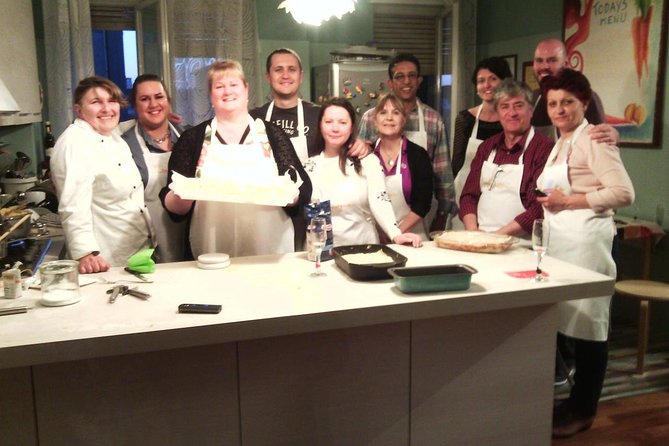
Two things I especially like: the small-group feel (up to 10 people) and the chef-led, step-by-step teaching that fits beginners and stronger cooks alike (Chef Aurora, Chef Lucrezia, and you may even meet other chefs like Elena). One consideration: the pace is real—when you pick dishes like pizza or panzerotti, you might not end up doing every single component from scratch the way a true bread-and-dough project would.
In This Review
- Key Highlights You’ll Care About
- Meeting in Milan: A Home-Kitchen Start, Not a Show
- Choosing Your Three Recipes: How to Pick What You’ll Actually Learn
- The Kitchen Reality: How the 3 Hours Work
- Starters and First Bites: Bruschetta That Sets the Tone
- Main Course Options: Pick Your Style of Italy
- Fresh Pasta Classics: Tagliatelle, Ravioli, and Gnocchi
- Vegetable-Forward Milanese Comfort: Eggplant Parmigiana and Zucchini Flowers
- Meat and Fish: Roman-Style Lamb or Venice-Inspired Cod
- Risotto and Lasagna: Saffron Milanese Style
- Pizza and Panzerotti: Knead, Top, and Fold
- Dessert Choices: The Sweet Finish You’ll Actually Remember
- Wine, Welcome Drinks, and the Real Meal-At-Your-Table Moment
- What Makes the Cooking Style Worth It (Even If You’re Not a Cook)
- Pricing and Value: Why $145.18 Can Make Sense in Milan
- Who Should Book This Class
- Should You Book This Milan Cooking Class?
- FAQ
- Where is the class meeting point?
- Do I need hotel pickup?
- How long is the experience?
- Can I choose which recipes I’ll cook?
- Are vegetarian or gluten-free options available?
- What drinks are included?
- How big is the group?
Key Highlights You’ll Care About
- You choose the menu: A chef contacts you with options from across Italian culinary traditions, including vegetarian and gluten-free.
- Real techniques, not just recipes: Expect guidance on cutting, herbs/spices, timing, and how to fry or boil.
- Cook, then eat immediately: About two hours of cooking, followed by lunch or dinner of what you made.
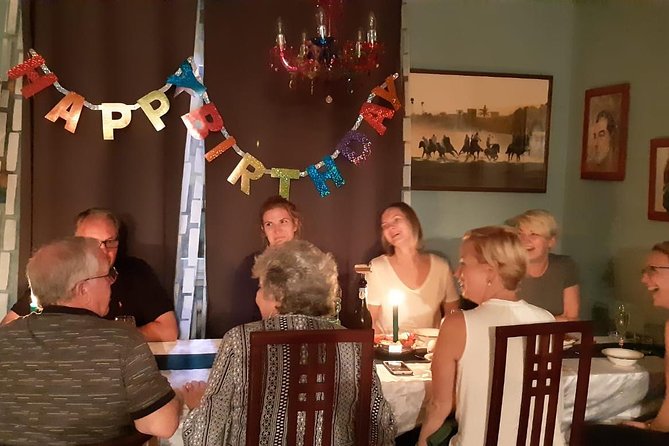
- Wine is part of the rhythm: Welcome prosecco, plus 2 glasses of Italian wine per person, and limoncello at the end.
- Fresh Italian variety: Think fresh pasta, gnocchi, eggplant/zucchini flower dishes, fish, and classic desserts.
- Take-home support: You receive the recipes in English.
Meeting in Milan: A Home-Kitchen Start, Not a Show
The experience starts at Via Mantova 19, 20135 Milan. You will meet right there and head into a home-kitchen setup where the whole day has a calm, food-first vibe. No hotel pickup is included, so plan to arrive on your own using public transport. The area is close enough to get there easily if you are already moving around the city.
What I like about this setup is that it keeps the class from feeling like a bus-tour of culinary stops. You are not herded from station to station. Instead, the chef builds the menu around your choices, then brings you into the flow of cooking. That matters in a class like this because timing and coordination are everything when you are cooking three recipes.
One more small note: the class has a strict no-wait approach. If you are late by more than 20 minutes, they won’t take you in. In Milan, where trains and trams can be smooth but your feet might not be, I suggest giving yourself breathing room.
You can also read our reviews of more tours and experiences in Milan.



Choosing Your Three Recipes: How to Pick What You’ll Actually Learn
This is the heart of the experience: when you book, Chef Aurora or Chef Lucrezia will contact you with a list of recipes spanning Italian regions and traditional home cooking. If you book early, you may be the first on that date and get to pick your three recipes directly. Either way, you are aiming for a menu that feels fun to cook and realistic to recreate later.
The options are not limited to the usual tourist classics. Yes, you will find pasta and sauces. But you can also choose vegetable-forward dishes like parmigiana eggplants and zucchini flowers, plus mains like lamb, ossobuco veal, scaloppini, and fish. Dessert options are the fun part: tiramisu, Sicilian cannoli, panna cotta, and even a Caprese cake.
Here’s a simple way to choose your three recipes based on what you want from the class:
- If you want pasta skills: pick something like fresh tagliatelle with bolognese sauce, ravioli (pumpkin or ricotta and spinach are common choices), and a dessert like tiramisu so the sweet finale balances your workload.
- If you love vegetables: pair parmigiana eggplants or zucchini flowers with something hearty like gnocchi or risotto, then finish with a no-stress dessert like panna cotta.
- If you want the full Italian comfort set: choose a starter like bruschetta, a main with meat or fish (lamb or cod are typical), and one standout dessert like cannoli.
Also, the chefs select recipes using ingredients you can find in your home country. That is a quiet value-add. You want skills you can repeat, not a souvenir dish you can’t source again.
The Kitchen Reality: How the 3 Hours Work
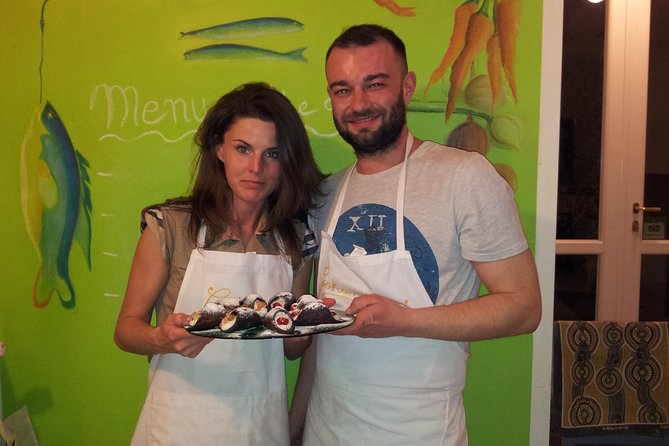
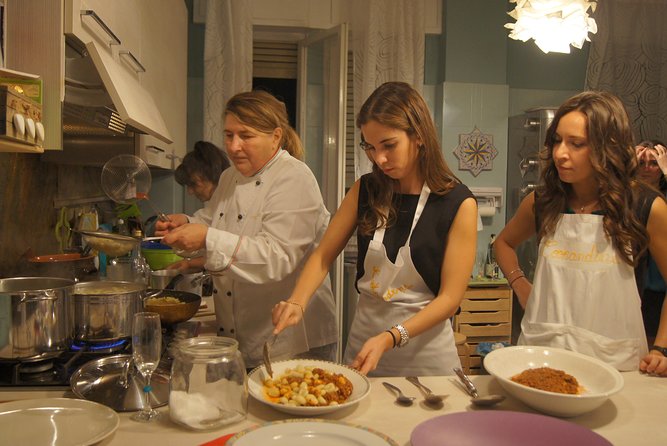
You should think of the class in two phases: cooking and then eating. The cooking phase is about two hours, and you cook your own portion of everything. Nothing is prepared beforehand, so the process moves from raw ingredients to finished plates during your time together.
This is not a cooking demo. You are working at the station. You’ll get hands-on instruction for cutting, seasoning, and technique—things like how to handle herbs and spices, how long sauces need, and how to fry or boil without guesswork. The chef will also help you build the workflow so your pan isn’t busy while another dish is waiting.
Then you eat lunch or dinner with your masterpieces, with wine as part of the meal’s pacing. You’ll start with a welcome drink (prosecco), enjoy two glasses of Italian wine per person, and end with limoncello. That combo makes the whole evening feel like a shared meal rather than a class that stops at the last bite.
The strongest thing about this format is how it teaches timing. In Italian cooking, the sauce, pasta timing, and finishing step are always a choreography. You learn the rhythm because you are the one doing it.
Starters and First Bites: Bruschetta That Sets the Tone
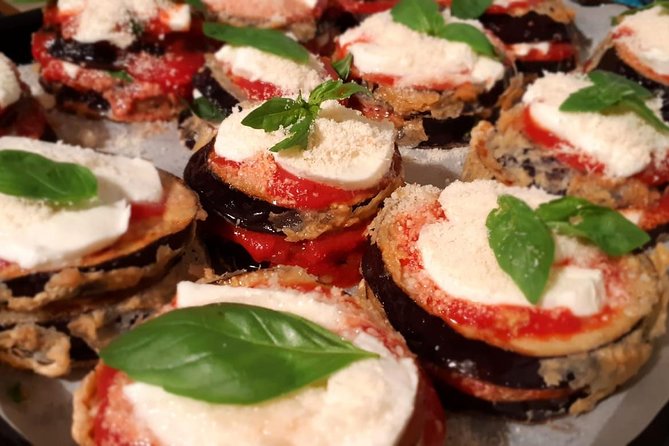
A typical starter is bruschetta, built from toasted Italian bread topped with tomatoes, garlic, basil, and anchovies. Even if anchovies sound scary, they usually work here because they melt into the flavor rather than tasting like fish on top.
Why this starter matters: it’s fast, it teaches you how to season and build brightness, and it gets your palate ready for richer mains. If you choose a menu with one heavy dish (like parmigiana or a meat sauce), this starter helps balance the meal.
You’ll also see how the chef teaches “small” technique. Bruschetta is simple, but it reveals what good Italian cooking does with a few ingredients: use them well, salt thoughtfully, and don’t hide behind complexity.
Main Course Options: Pick Your Style of Italy
Your main course selection is where you can steer the entire experience. The class offers options across pasta, vegetables, meat, and fish. Here are the main flavors you’re likely to see:




Fresh Pasta Classics: Tagliatelle, Ravioli, and Gnocchi
If you want the feel of traditional Italian home cooking, fresh pasta dishes are a top choice. The sample menus include:
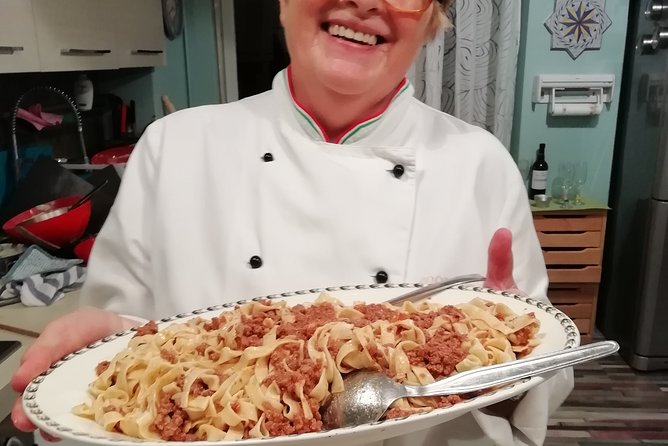
- Tagliatelle with bolognese sauce: classic meat sauce approach, served with fresh hand-made pasta.
- Ravioli: fillings can include pumpkin or ricotta and spinach.
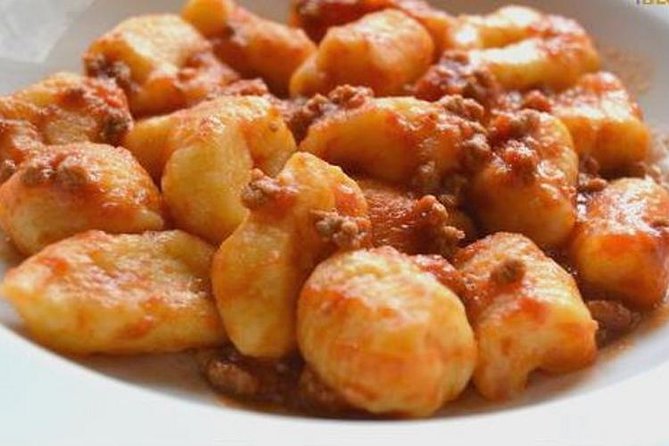
- Potatoes gnocchi: hand-made, which gives you a chance to learn how the dough behaves before it hits the water.
These dishes shine in a class setting because the chef can correct you in real time. You learn how the dough should feel and how to work it without turning it into a rubber project. One helpful bonus: you can usually find similar ingredients at home, so it’s not a one-trip skill.
Vegetable-Forward Milanese Comfort: Eggplant Parmigiana and Zucchini Flowers
If you choose parmigiana eggplants or zucchini flowers, you get an Italian idea that is equal parts technique and comfort food. The class example includes eggplant sliced, breaded and fried, then finished again in the oven with mozzarella, basil, and tomato sauce.
Zucchini flowers can be filled with mozzarella, then fried. It’s more delicate than a pasta or a sauce, so it also teaches you patience and handling—how to manage temperature and how to avoid rushing a fragile batter/filling moment.
If you want your meal to feel distinctly Italian beyond pasta, this is a great route.
Meat and Fish: Roman-Style Lamb or Venice-Inspired Cod
For mains with more drama, you might choose:
- Lamb in Roman style: lamb cooked with wine, garlic, and anchovy, tied to traditional Easter flavor profiles.
- Cod fish from Venice: cod cooked in milk and onion, then creamed to spread on polenta.
This part matters because it teaches Italian “comfort technique” rather than just ingredients. Sauces and braises depend on timing and heat control. Creamed fish on polenta teaches a different kind of patience than pasta sauce. You’ll walk away with ideas for how Italians build richness without complicated steps.
Risotto and Lasagna: Saffron Milanese Style
Some menus lean toward Milanese comfort:
- Milanese risotto with saffron: rice cooked with bullion (often with chicken and beef), flavored with saffron.
- Meat lasagna or vegetarian lasagna: classic versions plus vegetarian adaptations with white sauce and bolognese-style flavor or with green beans and pesto.
If you love a creamy texture and want something that tastes impressive but still feels like a home dinner, risotto and lasagna are solid picks. Plus, they scale well if you cook for friends later.
Pizza and Panzerotti: Knead, Top, and Fold
Pizza or panzerotti can also be part of your three. The class approach includes kneading pizza dough and topping with different ingredients. Panzerotti are folded like a pocket, filled with mozzarella and tomatoes, then fried.
One note on expectations: this is still taught in a class format with time limits. If your dream is learning every step of dough-making at a deep level, pick this option knowing some steps may be streamlined to keep your three-course meal moving.
Dessert Choices: The Sweet Finish You’ll Actually Remember
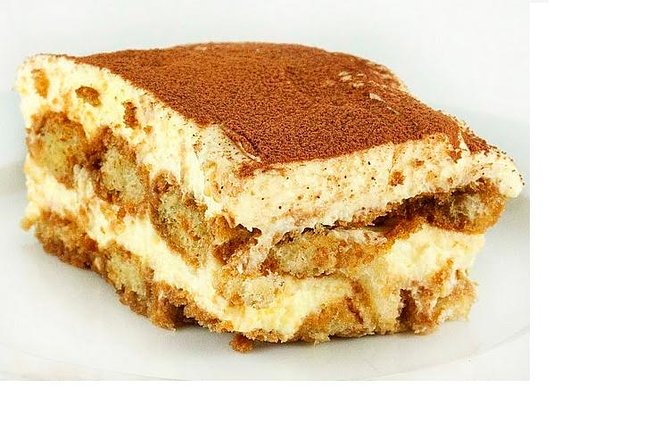
Dessert is where Italian home cooking gets fun. You’ll choose one of several classics:
- Tiramisu: mascarpone and coffee dessert, made as part of the class.
- Panna cotta with strawberry: a creamy custard finish with fresh cream and strawberries.
- Sicilian cannoli: including making the tube and filling with sheep ricotta.
- Caprese cake: baked cake from Capri with almonds, egg, and cocoa powder, and it’s noted as a gluten-free option.
The value here is practical: these are not just something you sample. You make them. And many people consider tiramisu or cannoli the kind of dessert that can feel mysterious until someone shows you the exact steps.
If you’re cooking with kids (the class allows children with an adult), dessert is often the most approachable and rewarding part of the meal to help them feel like true cooks.
Wine, Welcome Drinks, and the Real Meal-At-Your-Table Moment
This is a cooking class that also acts like an evening meal. You’ll get a welcome prosecco glass, then two glasses of Italian wine per person during lunch or dinner. After your meal, you’ll finish with limoncello.
That matters because food tastes better when you are relaxed and eating in the same room you cooked in. Instead of rushing off to a restaurant, you slow down, talk with the group, and let the meal land.
In several real-life moments I found the energy warm and friendly. Chefs like Aurora and Lucrezia have a teaching style that stays patient and practical, even when someone is a nervous beginner.
What Makes the Cooking Style Worth It (Even If You’re Not a Cook)
Some people take cooking classes to get food ideas. I think this one is better for something deeper: technique you can reuse.
You’ll learn:
- how herbs and spices should taste and smell when added,
- how long sauces need and when to adjust,
- how to handle fry/boil tasks without losing control,
- and how to cut ingredients so they cook at the same pace.
This is also why the hands-on part stands out. When you do the work yourself, your brain stores the steps. Later, at home, you are not guessing. You are remembering.
And because you receive recipes in English, you can rebuild your menu from notes rather than guessing from memory. That’s an underrated value.
Pricing and Value: Why $145.18 Can Make Sense in Milan
At $145.18 per person for roughly three hours, you are paying for more than instruction. You get:
- a cooking class (small group, up to 10 people),
- a three-course lunch or dinner,
- two glasses of Italian wine per person plus a welcome prosecco drink,
- and limoncello to finish,
- plus the recipes in English.
In Milan, a single evening that includes a three-course meal and wine can easily climb fast. Here, you’re paying for the meal and the skill-building in one package. You also aren’t stuck with pre-made food. You cook it. That’s why this feels less like a generic ticket and more like an experience with real take-home value.
Who Should Book This Class
This class fits best if you want:
- hands-on cooking rather than watching,
- a small group and a home-kitchen vibe,
- Italian recipes that go beyond only pasta and pizza,
- and a meal that feels like the best kind of dinner party.
It’s also a smart choice for families, since the chef instruction is described as step-by-step and patient with different levels of experience.
If you hate walking to meet points or need hotel pickup, you might be better off choosing an option that handles transportation for you. Otherwise, the location is near public transport and should work fine if you’re used to navigating your own way in the city.
Should You Book This Milan Cooking Class?
Yes, if you want a meal you helped make and recipes you can actually cook again at home. I’d especially book it if you like the idea of choosing your own three dishes from classic Italian traditions, including vegetables like eggplant parmigiana or zucchini flowers, and ending with something like tiramisu, panna cotta, or cannoli.
Skip it or adjust expectations if your top priority is learning every single step of dough-making for multiple dishes. The class is designed around three recipes and a shared timing plan. You’ll learn a lot, but it is not a multi-day pastry boot camp.
If you go in with curiosity—and bring comfortable walking shoes—you’re likely to leave with two things: confidence in a handful of techniques and a dinner you’ll talk about long after Milan fades into the photo roll.
FAQ
Where is the class meeting point?
The class starts at Via Mantova, 19, 20135 Milano MI, Italy.
Do I need hotel pickup?
No. Hotel pickup and drop-off are not included.
How long is the experience?
It lasts about 3 hours.
Can I choose which recipes I’ll cook?
Yes. When you book, Chef Aurora or Chef Lucrezia contacts you with a list of recipes so you can select three dishes.
Are vegetarian or gluten-free options available?
Yes. Vegetarian and gluten-free options are available.
What drinks are included?
You get a welcome prosecco glass and then two glasses of Italian wine per person during lunch or dinner, with limoncello at the end.
How big is the group?
The class has a maximum of 10 travelers.