REVIEW · LAKE COMO
Cesarine: Small group Pasta-Making class in Como
Book on Viator →Operated by Cesarine: Cooking Class · Bookable on Viator
Forget the museum; make pasta instead.
A Cesarine small-group class in Como turns your afternoon into a hands-on lesson in Italian cooking, in a real home setting. I like that it’s run for small groups of up to 10, so you actually get attention while you learn. I also like that you don’t have to bring anything, because the ingredients and setup are handled for you.
Here’s the tradeoff to consider: not every session is in the same kind of full kitchen. One past guest described a very small, warm room with basic hotplates and limited facilities, with parts that seemed prepped ahead—so your hands-on time can depend on the host and space.
Plan for about 3 hours, and note that the class format includes eating what you make, plus wine, water, and coffee—making it more like a meal experience than a quick demo. Also, check your start time; one guest wished their class began later in the evening.
In This Review
- Key things that make this Como pasta class worth your time
- A Small-Group Como Kitchen Lesson, From Dough to Dinner
- What You’ll Make: Three Regional Pastas in Como
- The Meal Part: Taste Your Pastas with Wine, Water, and Coffee
- Meet the Host at a Como Home (and Why the Space Can Matter)
- Timing and Pacing: Learning at Your Own Speed in 3 Hours
- Price and Value: What You Pay, What You Get
- Getting There and Communicating in English
- Who Should Book This Como Pasta Class (and Who Might Not)
- Should You Book Cesarine in Como?
- FAQ
- How long is the pasta-making class?
- Where does the class start in Como?
- What’s the group size?
- Is the class taught in English?
- Do I need to bring ingredients or cooking supplies?
- What dishes do you make?
- Is there food and drink included?
- How do I receive my ticket?
- Can I get a full refund if I cancel?
Key things that make this Como pasta class worth your time
- Small group, big personal focus (maximum 10 people)
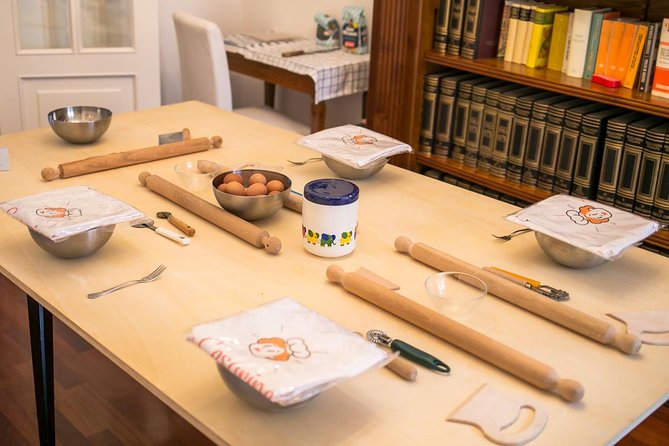
- Everything provided, so you can show up light
- You make three regional pasta dishes, then eat them
- Wine, water, and coffee are included with your tasting
- English instruction is offered
- Host-led learning ranges from full explanations to watch-and-stir moments depending on the setup
A Small-Group Como Kitchen Lesson, From Dough to Dinner
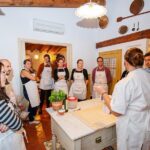
This is the kind of activity that makes Como feel less like a postcard and more like a place where people actually cook dinner. You arrive at a local home in the Como area (starting from 22100 Como) and spend roughly three hours learning how to produce fresh pasta and turn it into a full, satisfying meal.
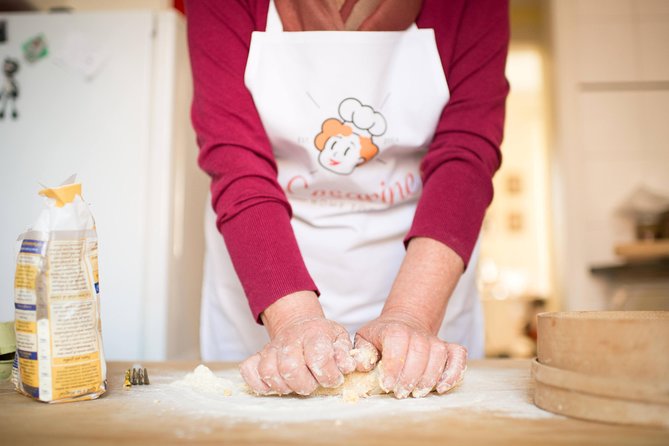
I like the way the format balances instruction with eating. It’s not just kneading for kneading’s sake, and it’s not only watching someone else cook. The goal is that you leave with real process knowledge—how the dough should feel, how the shapes work, and what changes when you cook different dishes.
Also, because the group is capped at 10, you’re not lost in a crowd. In several experiences, guests praised the teaching style for being patient and clear. You can end up learning the why behind Italian cooking, not just the steps—one host even emphasized explaining not only what to do, but why you’re doing it.
You can also read our reviews of more cooking classes in Lake Como
What You’ll Make: Three Regional Pastas in Como
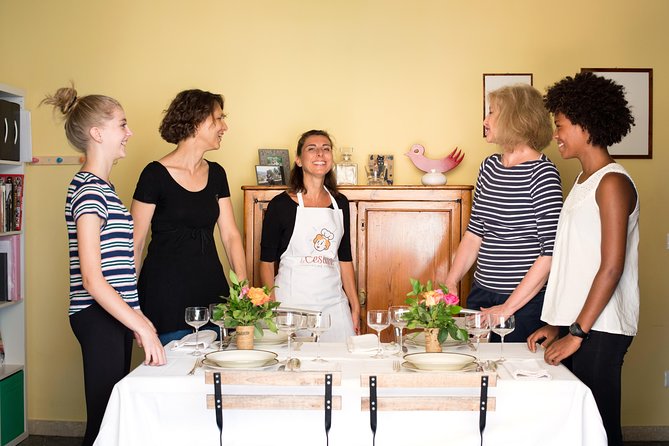
The class is designed around regional pasta recipes, and the menu centers on fresh pasta. You’ll make three authentic pasta dishes, chosen from options like ravioli, risotto, gnocchi, mondeghili, and tagliatelle.
A few practical points to set expectations:
- You might not get the exact same trio as the person next to you, since the menu can vary between dates.
- Some guests specifically noted learning pasta-making techniques that don’t rely on eggs, so if egg-free dough is important to you, this class is at least sometimes taught that way.
- If you’re picky about gnocchi, keep in mind that one past experience included gnocchi being described as affected by seasonal ingredient timing. In real-life cooking classes, seasonal availability can change what gets emphasized.
How you’ll learn the dishes matters as much as which dishes you get. Positive experiences often highlight that teachers explain each step clearly and let you participate actively. One guest described the teacher reviewing what they were about to make and talking through the logic behind each part of the process. That’s the kind of learning you can take home and actually use.
The Meal Part: Taste Your Pastas with Wine, Water, and Coffee
A lot of cooking classes stop at the dough. This one treats the food as the payoff. After making your pastas, you’ll taste what you produced, and the meal experience includes water, wine, and coffee.
That combination does something useful: it makes the timing work. Instead of racing through a demo and rushing to leave, you get to slow down, eat what you made, and enjoy the results while the food is still at its best.
You should also expect that the tasting may feel like a proper sit-down meal, not a tiny sample. Guests frequently describe leaving with a full stomach—sometimes with the sense that the class functioned as a long, relaxed dinner with learning built in.
If you’re the type who wants a class that ends with you feeling fed rather than just educated, this is a good match. The drinks also help with the social side, especially in a small group where conversations can actually happen around the table.
Meet the Host at a Como Home (and Why the Space Can Matter)
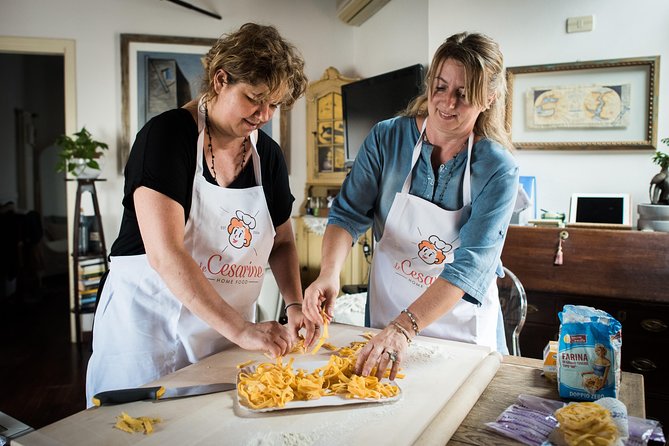
This experience is hosted in a local home in Como, not in a big cooking school building. That’s part of the charm: you’re in a lived-in setting, often with a family atmosphere and a sense that the hosts cook the way they’d cook for people they care about.
Multiple names came up in past classes—examples include hosts like Anna, Deborah, Carolina and Simona (mother-daughter duo), Christina, Morena, and Monica, with teaching styles described as patient and gracious. Some guests also highlighted the comfort of learning in a home environment where you can ask questions without feeling rushed.
Now for the honesty: the physical setup can vary. One guest’s account described a smaller room without a proper kitchen and with basic equipment like hotplates, sometimes limiting how much students actively cooked versus watched. Another person described chaos around preparation.
So here’s your practical takeaway: if hands-on cooking time is your top priority, you should go in with a flexible mindset. You can still learn a lot, but your exact involvement may depend on the host’s space and how they manage timing for multiple dishes.
Timing and Pacing: Learning at Your Own Speed in 3 Hours
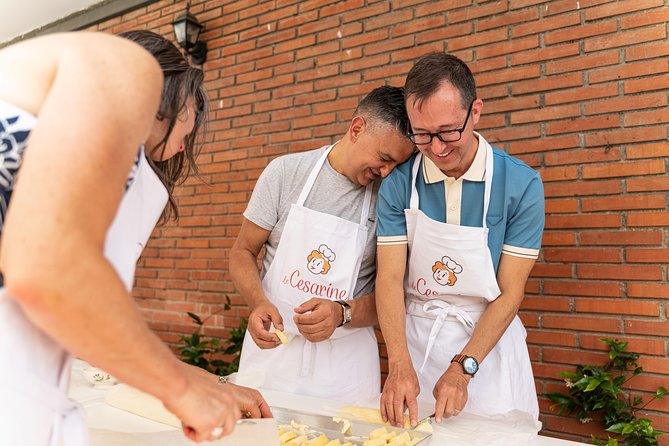
The class runs about 3 hours, and that length is long enough to cover multiple dishes without feeling like you’re only doing one cookie-cutter task. The experience is structured so you can work at your own pace, which matters more than people expect.
In a typical pasta workshop, the dough-making and shaping can take time—especially for ravioli and gnocchi. If everyone is doing everything at the same speed, someone always falls behind. A small group helps, but so does pacing that doesn’t force you into a single frantic workflow.
From the accounts you’ve got to work with, the best sessions sound like they combine:
- clear explanations
- gentle correction when your dough or shaping is off
- time to actually eat what you make
Some sessions may include more pre-work from the host (like ingredients prepped ahead) to keep the meal moving. That isn’t necessarily bad—it can mean you spend time learning the key skills rather than waiting around. But if you truly want to do every single step with your hands, you may want to pick your expectations accordingly.
One additional pacing note: class start time can affect your energy. If you’re traveling with kids or you don’t like late dinners, it’s worth choosing a time that fits how you like to eat during vacation. One past guest felt their start time made dinner feel rushed and wished it were later.
You can also read our reviews of more tours and experiences in Lake Como


Price and Value: What You Pay, What You Get
At $214.84 per person, this class isn’t a bargain. But it also isn’t just a quick tasting. The value comes from several bundled items:
- you learn in a small group (max 10)
- ingredients are provided, so you don’t pay extra or lug supplies
- you make three dishes and then eat them
- water, wine, and coffee are included
- instruction is in English
So the question isn’t only what the class costs. It’s whether you’re getting a full meal experience plus hands-on skills. In the most praised versions of the experience, people described it as a must-do in Como and as a skill they could repeat at home.
If you’ve ever taken a cooking class where you leave with recipes you can’t confidently reproduce, this is aiming at the opposite: you walk away with understanding. That matters for value, especially if you cook after your trip.
That said, one low-rated experience argued the result didn’t match expectations and described limited active participation and a less-than-ideal space. That’s the risk side of any small, home-based class: your value depends on that specific host date.
My “value check” advice:
- If you want a meal plus skills and you’re happy to learn through a combination of doing and being shown, the price can feel fair.
- If you want a very structured kitchen-instruction environment, consider whether a home setting is your thing.
Getting There and Communicating in English
The class starts at 22100 Como, and it ends back at the meeting point. That “back where you started” format is a small but real comfort: you don’t have to figure out a second transportation jump after dinner.
It’s also described as near public transportation, which is great if you’re staying in the Como area without a car. The best travel move is to plan your arrival so you’re not rushing right at the start—because once you sit down, you’ll want to focus on learning and eating, not finding the last block.
On language: the class is offered in English, and past guests praised hosts for being patient and clear. As with any small group experience, communication can vary depending on the host and circumstances. But the overall intent is to teach in English, and the most positive feedback emphasized understanding and guidance.
One practical detail: you’ll get a mobile ticket, which makes day-of logistics easier when you’re juggling maps, gelato stops, and the next bus.
Who Should Book This Como Pasta Class (and Who Might Not)
This is a great fit if:
- you want a hands-on Como experience that isn’t just sightseeing
- you like learning cooking skills you can reuse at home
- you want an evening that ends with food and a drink, not just a snack
- you enjoy smaller groups and a more personal vibe
It’s less ideal if:
- you expect a commercial-kitchen setup with lots of equipment and space
- you hate any element of watching or assisting rather than doing everything yourself
- you’re very strict about seasonal ingredients like gnocchi, because menus can include dishes affected by seasonal realities
If you’re traveling as a couple, it’s also a nice choice because the group size stays small enough for your table conversations to feel natural. For solo travelers, it can be a strong way to meet people without awkward icebreakers—especially since you’re working together and then eating.
Should You Book Cesarine in Como?
Yes—with eyes open. If you want three pasta dishes, a real local-home setting, and an included meal (wine, water, coffee) in a group of 10 or fewer, this is one of those Como activities that can turn into a “we’ll remember this later” part of your trip.
Book it if you:
- value skill-building and eating what you make
- like patient, host-led instruction
- are fine with a home-kitchen setup that may be basic in places
Think twice if you:
- need a full kitchen environment and maximum hands-on cooking time no matter what
- have very inflexible expectations about which dish you’ll make or how much will be prepped ahead
If you do book, send a quick message after booking if there’s a specific you care about—like how hands-on the class will be or whether egg-free dough techniques are used on your date. That one step can protect your experience.
FAQ
How long is the pasta-making class?
It runs for about 3 hours.
Where does the class start in Como?
The meeting point is listed as 22100 Como, Province of Como, Italy, and the activity ends back at the meeting point.
What’s the group size?
It has a maximum of 10 travelers.
Is the class taught in English?
Yes, the class is offered in English.
Do I need to bring ingredients or cooking supplies?
No. All ingredients are provided, and you don’t need to bring things with you.
What dishes do you make?
You’ll learn regional recipes and make three authentic pasta dishes from options such as ravioli, risotto, gnocchi, mondeghili, and tagliatelle.
Is there food and drink included?
Yes. There’s a pasta tasting, plus water, wine, and coffee included.
How do I receive my ticket?
You’ll get a mobile ticket.
Can I get a full refund if I cancel?
Yes. Cancellation is free, and you can cancel up to 24 hours in advance for a full refund.