REVIEW · TREMEZZO ITALY
Tremezzina: Entrance with guided tour of Villa del Balbianello
Book on GetYourGuide →Operated by FAI - Fondo Ambiente Italiano · Bookable on GetYourGuide
Lake Como gets personal at Villa del Balbianello. This guided visit is interesting because it connects the villa’s rooms, collections, and gardens to the people who shaped it over centuries. I love the storytelling link between Cardinal Durini and Guido Monzino, and I love the scenic viewpoints that make the whole peninsula feel like a private theater. The possible drawback: it moves at a brisk pace in just 2–3 hours, so you’ll want to be ready for a focused route rather than a slow wander.
You’ll go with a live guide (Italian or English) in a small group, which helps you actually hear the details. The experience is run by FAI – Fondo Ambiente Italiano, and the guide name Rosalita pops up in feedback for being especially strong at turning the villa’s history into something you can picture. Plan to arrive 30 minutes early, since the start time is confirmed at the ticket office.
In This Review
- Key highlights you’ll care about
- Villa del Balbianello in Tremezzina: why this place feels different on Lake Como
- Entering with a guided tour: what you actually get in the small-group format
- Inside the villa: Durini’s literary retreat meets Monzino’s collector’s world
- The Expeditions Museum: the part you’ll remember long after the photos
- Gardens and terraces on Lake Como: the FAI way of “manic perfection” (in a good way)
- The 18th-century Loggia: why this stop feels like the villa’s finale
- Arriving by water: what the motorboat adds to the Villa del Balbianello experience
- The combined ticket: Villa del Balbianello + La Velarca by motorboat (and the historic boat visit)
- Who should book this tour (and who should think twice)
- Value check: why the guided format makes sense at this villa
- Before you go: small practical tips that improve your visit
- Should you book the Villa del Balbianello guided tour?
- FAQ
- How long is the Villa del Balbianello guided tour?
- What language is the live tour guide?
- Is this tour a small group?
- Do I need to arrive before the tour starts?
- What does the tour include at Villa del Balbianello?
- Is there an option to visit La Velarca as well?
- How do you travel between Villa del Balbianello and La Velarca on the combined tour?
- What is included at La Velarca during the combined tour?
- Who runs the experience?
- Is free cancellation available?
Key highlights you’ll care about
- FAI-guided access that explains the villa’s rooms and collections as a single story, not random rooms
- Lake Como panorama from the peninsula of Lavedo, perched above the water for constant visual payoff
- Guido Monzino’s Everest-era memorabilia and Expeditions Museum, grounded in real artifacts like maps and instruments
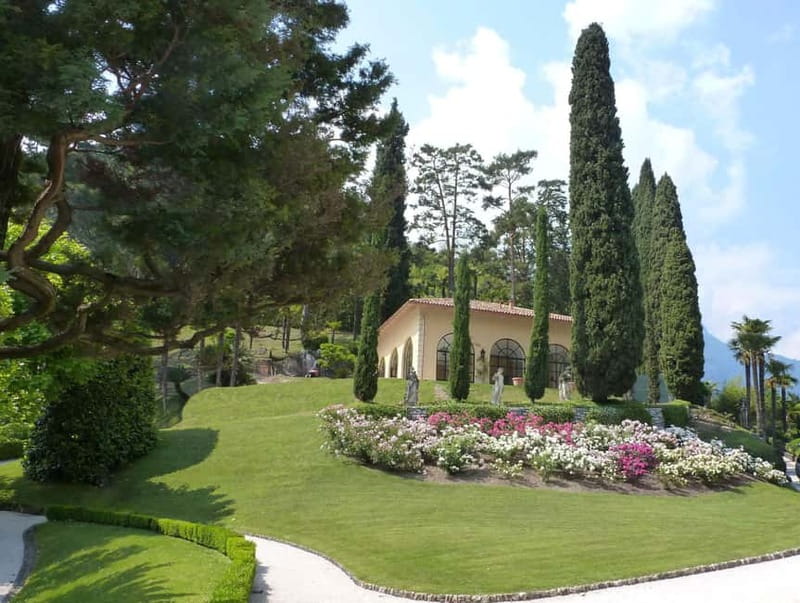
- FAI-maintained gardens with pruning lines, statues, panoramic terraces, and the 18th-century Loggia
- Optional La Velarca add-on by motorboat, including a stop to see a historic boat
Villa del Balbianello in Tremezzina: why this place feels different on Lake Como
Tremezzina might sound like just another dot along Lake Como, but Villa del Balbianello has a way of changing the mood. The villa sits on the tip of a small wooded peninsula in Lavedo, and it literally hangs above the water of central Lake Como. That setting matters because it makes the views part of the experience, not an afterthought.
And the villa’s design does something clever: it organizes that scenery into “stops.” You’re led from spaces that focus on art and personal collections, to terraces where the lake and sky take over. Even if you’re not the type to chase famous villas, the combination of dramatic location plus curated interiors is a strong draw.
There’s also a real human thread behind it. The villa’s early spark came from Cardinal Durini, a man of letters and arts patron who chose this lakeside corner in the late 18th century as a retreat for reading and literary recreation. Then, in modern times, Guido Monzino—entrepreneur, collector, and passionate traveler—reclaimed the same idea. In 1974, Monzino made history as the first Italian to reach the summit of Mount Everest, and he built his lakeside retreat around the memories and objects from that life.
This is why the guided format works so well here. You’re not only seeing a beautiful villa; you’re seeing how one place was shaped by two different eras of “retreat culture.”
You can also read our reviews of more tours and experiences in Tremezzo Italy.
Entering with a guided tour: what you actually get in the small-group format

When you choose the guided entry option, you’re signing up for a route that makes sense. The villa is full of visual details, and without a guide you can easily end up with lots of sightseeing photos but fewer connections between the objects, the rooms, and the landscape.
The tour is designed for a small group, with a live guide available in English and Italian. That matters more than you might think. Small groups tend to keep the pace human: you can hear explanations, and you’re not shoved through like a checklist.
Also, you’re asked to arrive at least 30 minutes before your start time. The reason is practical: the start time for your guided tour is announced directly at the ticket office. So don’t treat “we’ll meet somewhere” as a vague promise. If you want to avoid stress, give yourself breathing room before you line up.
From there, your guide handles the pacing—how long you linger, when you move, and which details you should notice. If you’ve ever visited a historic site where you feel you’re missing half the meaning, this is the fix.
Inside the villa: Durini’s literary retreat meets Monzino’s collector’s world
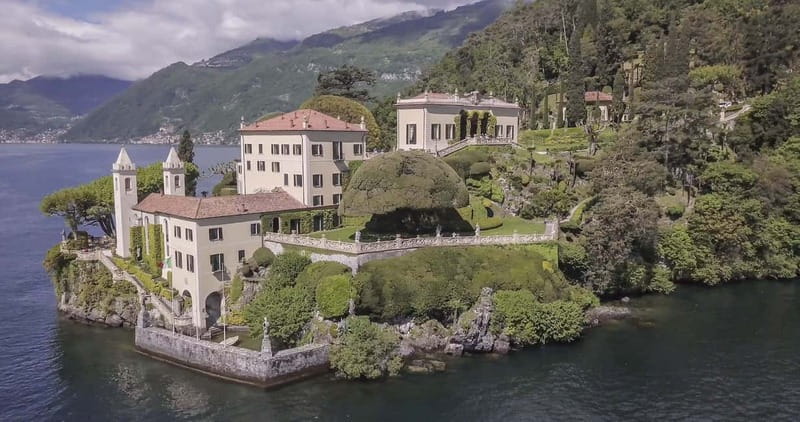
The interior side of the visit is built around a big idea: this villa is a personal collection turned public heritage. Cardinal Durini set the tone in the late 1700s, choosing the place for literary recreation—an intentional retreat from the outside world.
Then Guido Monzino recovered that vocation, but in his own way. He didn’t just decorate. He arranged daily-life traces—maps, travel instruments, books, furniture, and collections of ancient and primitive art objects—so the villa still feels like it belongs to someone who lived there with purpose.
You’ll likely notice how the villa’s interior layout helps you understand that mindset. It’s not simply a museum that tries to be neutral. It has a sense of personality. Objects and rooms are presented as part of Monzino’s order and taste, with the emphasis on how a life of travel can be preserved thoughtfully.
One of the most compelling parts of the interior story is that it’s anchored to artifacts tied to real expeditions. That makes the villa’s atmosphere more grounded than it might seem at first glance.
The Expeditions Museum: the part you’ll remember long after the photos
Monzino’s mountaineering life isn’t treated as an abstract legend here. It’s shown through tangible material in the Expeditions Museum. From the description of what’s kept on site, you can expect to see memorabilia and instruments connected to his famous exploits—things like maps and travel equipment—plus travel-related books and collections that show how he worked and documented his journey.
Why this matters for you: Everest and big-time exploration can feel distant. Here, you’re looking at the physical record—how the traveler prepared, what he used, and what he valued enough to keep. That turns a headline achievement into something you can almost picture: tools laid out, notes gathered, memories organized.
And since the villa’s collections cover both ancient/primitive art objects and travel culture, you get a neat contrast. It’s not only “mountains.” It’s also curiosity and collecting across different worlds.
Gardens and terraces on Lake Como: the FAI way of “manic perfection” (in a good way)
If the villa’s interior is personal, the garden is controlled romance. The FAI maintains the grounds with the kind of meticulous care that makes the curves and sightlines feel deliberate—described as manic perfection, which sounds funny, but the idea is accurate. The garden looks designed to be experienced in sequence.
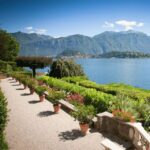
Expect bold pruning, romantic vistas, and avenues lined with statues. There are panoramic terraces filled with copious blooms, and the route naturally builds toward the villa’s crown: the 18th-century Loggia.
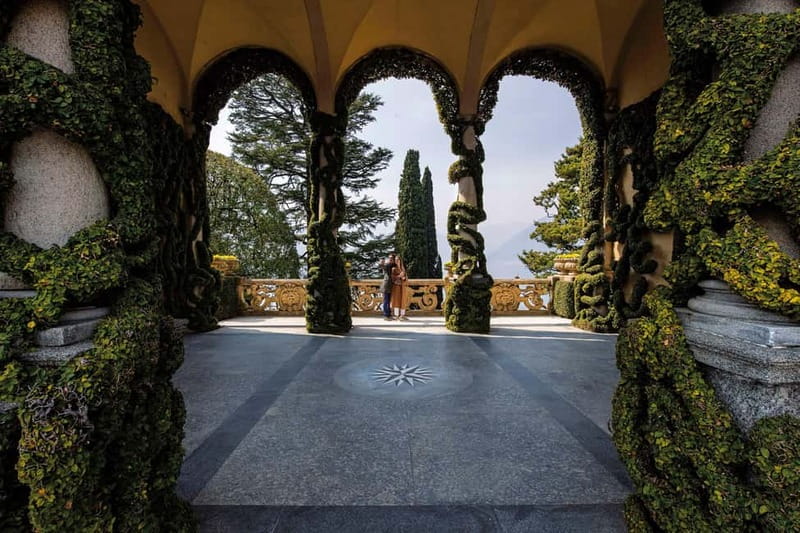
The Loggia is important because it gives you that double panorama effect. It’s an elevated point that frames the lake and surrounding scenery from above, creating an aerial feeling even though you’re still in a garden. If you like photography, this is usually where people slow down. Even if you don’t, it’s the best place to stand still long enough to let the whole setting hit you.
Practical note: because the garden is outdoors, weather matters. When the lake air is clear, the view payoff is huge. When conditions are rough, you’ll still get the story, but you may want to focus more on terraces and shaded areas.
The 18th-century Loggia: why this stop feels like the villa’s finale
The Loggia doesn’t just wrap up the experience—it acts like the finale of the villa’s visual storyline. You’ve moved from interior meaning to outdoor design, and then the Loggia gives you the big reward: the lake opened wide.
You get the sense of a “double aerial panorama,” which is a great way to describe how your perspective changes. It’s not only distance; it’s angle and layering. You see water, sky, and the wooded peninsula shape that makes Tremezzina feel like a protected stage.
This is also the moment where the villa’s modern cultural influence shows up indirectly. The villa’s beauty has made it a film-friendly setting, with famous productions using it—like Star Wars and 007. You don’t have to be a film buff to feel the cinematic quality. The site’s sightlines are simply built for it.
Arriving by water: what the motorboat adds to the Villa del Balbianello experience
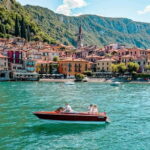
Villa del Balbianello can also be accessed by lake, and that’s not just a transport detail. The water approach changes how you perceive the place. From the lake, you see the villa’s position on the peninsula more clearly—why the views are so constant and why the terraces feel like “hangouts” above the water.
On tours that include La Velarca, motorboat travel becomes part of the itinerary. That means you’re not stuck in a single mode. You get interior and garden on land, then a smooth shift to the lake for transit and viewing.
For practical travelers, boat time also helps with pacing. It breaks up the visit, and it gives you a different viewpoint without requiring extra walking time. You do need to be comfortable being outside near water, but the reward is a more varied experience.
The combined ticket: Villa del Balbianello + La Velarca by motorboat (and the historic boat visit)
If you want more than the villa itself, there’s an option to combine Villa del Balbianello and La Velarca. The combined tour is built for about 3 hours total with a guided experience covering the entire itinerary.
Here’s the flow:
- You start at Villa del Balbianello for the interior and garden visit.
- Then you transfer to La Velarca by motorboat.
- You visit La Velarca, including a tour of its historic boat.
- Finally, you return to Villa del Balbianello by motorboat and your tour ends.
Why this add-on is worth considering: it turns a gorgeous villa visit into a broader lake story. La Velarca isn’t just extra time; it’s a different lens on the same location—how the lake connects everything, including transportation and heritage.
Also, the historic boat visit adds variety if you’re tired of purely “room and ceiling” sightseeing. Even if you’re only partially into boating history, it’s still interesting because it ties directly into the lake setting rather than feeling like a random stop.
One possible consideration: the combined tour is still time-limited. You’re getting a full package, not an all-day experience. If your goal is maximum slow travel and lingering, you might prefer the villa-only guided option.
Who should book this tour (and who should think twice)
This guided tour is a strong fit if you want:
- A clear story behind what you’re seeing, not just facts
- Time-efficient access to both interior and gardens
- Scenic Lake Como views that feel framed and intentional
- A small group format with live guide time
It’s especially good for couples and solo travelers who don’t want to spend hours figuring out the best route through a complex site.
You might think twice if:
- You need lots of unscheduled time to wander at your own speed. The guided structure is purposeful and can feel slightly brisk in a tight timeframe.
- You’re very weather-sensitive. A garden-focused experience means you’ll be outside for meaningful portions.
The good news is that the route is designed so the time feels meaningful rather than rushed. You’re guided to the key points where the setting, the collections, and the view payoff all come together.
Value check: why the guided format makes sense at this villa
Even without focusing on any exact ticket price, the value logic here is clear. Villa del Balbianello is visually rich. Without guidance, you might enjoy it but miss how the villa was shaped: Cardinal Durini’s literary retreat concept, Guido Monzino’s collector’s order and taste, and the idea that the entire estate continues under foundation management that preserves its spirit.
A live guide helps you “connect the dots” quickly:
- why specific collections matter,
- how Monzino’s mountaineering life is represented through the Expeditions Museum,
- and why the garden design feels like it’s been maintained with intention.
The optional boat add-on also increases value for the right traveler. If you love Lake Como’s water culture and want more heritage beyond the villa rooms, that motorboat + La Velarca sequence gives you additional context without turning your day into a complicated logistics puzzle.
If you want one clear decision rule: if you care about story and structure, book the guided tour. If you only care about photos and don’t want narration, you might consider self-guided options elsewhere—but for Balbianello specifically, the guided approach tends to make it click faster.
Before you go: small practical tips that improve your visit
Here are the details that make your experience smoother:
- Arrive 30 minutes early so you can find the meeting flow without stress. The start time is confirmed at the ticket office.
- Wear shoes that handle outdoor paths. Gardens and terraces can involve uneven ground.
- Bring sunglasses or a hat if the sun is strong; terraces and viewpoints are open and exposed.
- If you’re doing the combined option, assume you’ll spend meaningful time outdoors near the lake and motorboat transfer areas.
One more tip: don’t race through the interior. The power of this villa is how it shifts from personal objects to big scenery. If you rush, you’ll miss the rhythm.
Should you book the Villa del Balbianello guided tour?
Yes—if you want a high-impact Lake Como experience with a real narrative. This is one of those places where the guide changes everything. The interior is tied to Cardinal Durini’s literary retreat origins and Guido Monzino’s Everest-linked world, and the FAI-maintained gardens provide the kind of terrace-and-Loggia viewpoints that make the scenery feel curated.
I’d especially book it if you like structured visits and you appreciate small-group pacing. If you’re already planning time for boats on Lake Como, consider the La Velarca add-on too. It’s the best way to turn one iconic villa stop into a fuller lake heritage moment.
If you tell me your travel month and whether you’re choosing villa-only or the combined option, I can help you pick the smarter approach for daylight and your ideal pace.
FAQ
How long is the Villa del Balbianello guided tour?
The guided tour is about 2–3 hours. The exact start times vary, so check availability for the schedule.
What language is the live tour guide?
The live guide is available in Italian and English.
Is this tour a small group?
Yes, small group options are available.
Do I need to arrive before the tour starts?
Yes. You’re requested to arrive at least 30 minutes before the start time. The start time for the guided tour is announced at the ticket office.
What does the tour include at Villa del Balbianello?
The guided tour covers the Villa del Balbianello interior and the garden.
Is there an option to visit La Velarca as well?
Yes. You can purchase a combined Villa del Balbianello + Velarca tour.
How do you travel between Villa del Balbianello and La Velarca on the combined tour?
You transfer between them by motorboat.
What is included at La Velarca during the combined tour?
The combined tour includes a visit of the historic boat.
Who runs the experience?
The experience provider is FAI – Fondo Ambiente Italiano, and the tour includes a live guide.
Is free cancellation available?
Yes. You can cancel up to 7 days in advance for a full refund.