REVIEW · MILAN
Intensive Italian Language Course in Milan
Book on Viator →Operated by Scuola Leonardo da Vinci Milano · Bookable on Viator
Learning Italian in Milan sounds fancy. Doing it with 4 lessons a day and a small class size (max 14) makes it feel practical and fast. I love the way the school pushes you to speak Italian from day one and keeps classes interactive across mixed nationalities and ages, which helps you stop translating in your head. I also like that textbooks are included, and the staff offers real-world help like SIM cards and paperwork. One thing to consider: the course is Italian-only, so if you want a lot of English scaffolding, this may feel demanding.
The payoff is that your language practice sits inside actual Milan life. You’ll get weekday lessons Monday to Friday, plus cultural activities during the week and on weekends, so you can use what you learned before it fades. Based on the experiences shared, teachers are engaging and invested, and the location near public transport (starting at Scuola Leonardo da Vinci Milano on Corso di Porta Vigentina) makes it easy to keep a routine.
In This Review
- Key highlights you’ll care about
- Why Milan works so well for an intensive Italian course
- The 5-day rhythm: what your weekdays actually look like
- Where you’ll start each day: Corso di Porta Vigentina
- Small classes (max 14) and mixed levels that keep you progressing
- Italian-only teaching: tough love that actually builds fluency
- Textbooks included, plus extra materials that keep lessons current
- Cultural activities that make your Italian stick
- Price and value: is $365.63 fair for 5 days?
- Practical support: beyond vocabulary and verbs
- Who this course fits best
- Should you book this intensive Italian course in Milan?
- FAQ
- How long is the intensive Italian course in Milan?
- What does the intensive format include each day?
- How many students are in each class?
- Is the course taught in English or Italian?
- Are textbooks included in the price?
- Where is the meeting point?
- What is the course price?
- What languages are available for the experience?
- What levels does the school offer?
- Can I stay longer than 5 days?
- What is the cancellation policy?
Key highlights you’ll care about
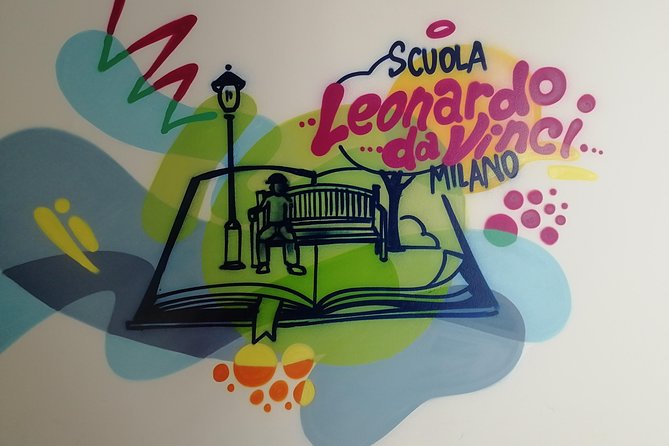
- Italian-only instruction from day one helps you build speaking habits quickly
- Small groups (up to 14) means you actually get time with your teacher
- Textbooks included removes a common extra cost and keeps you moving
- Weekday + weekend cultural activities give you low-pressure speaking practice in the city
- Support beyond class can include help with SIM cards and residency-related steps
- Flexible length options (1 to 48 weeks) let you match the course to your timeline
Why Milan works so well for an intensive Italian course
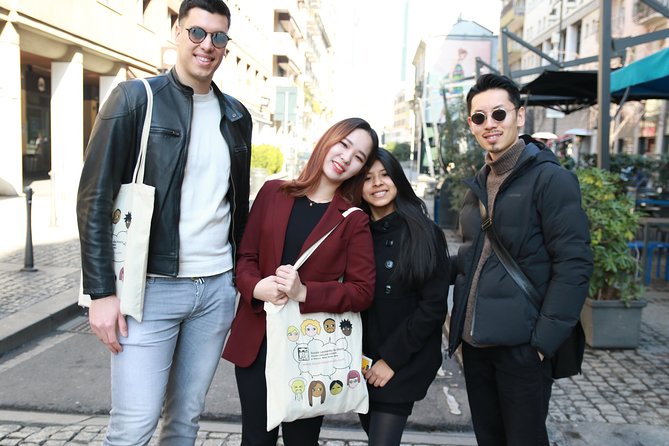
If you’re serious about learning Italian, Milan has a useful energy: it’s busy enough to hear real Italian everywhere, but still practical for walking, transit, and daily routines. This course is built for that day-to-day rhythm. You’re not studying Italian in a vacuum—you’re learning while living inside the language sounds and patterns that Italians use in shops, conversations, and street life.
What makes this program especially interesting is the structure. You get an intensive schedule with 4 lessons per day, Monday through Friday, and the approach is designed around active communication, not passive listening. The small class size matters too. When you’re sitting with up to 14 students, you’re more likely to participate, answer questions, and get feedback that helps you improve between classes.
That said, I want to be honest about the difficulty level. The school holds classes only in Italian. That’s great if you’re ready to work, but if you expect constant explanations in English, you’ll need to adjust your expectations fast.
You can also read our reviews of more tours and experiences in Milan.



The 5-day rhythm: what your weekdays actually look like
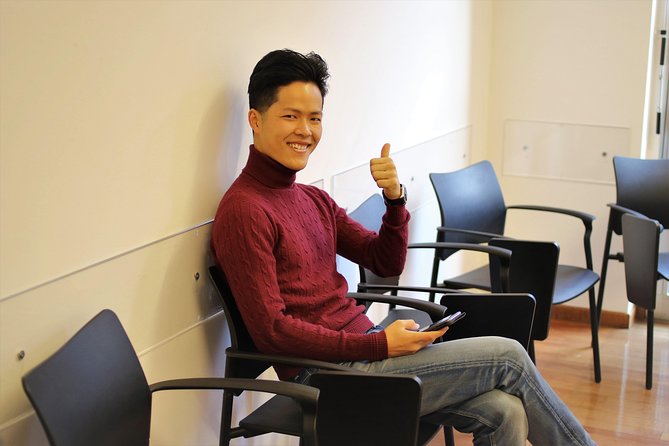
Your booking is listed as 5 days (approx.), and the course runs Monday to Friday. In practice, that usually means you’ll feel the intensity right away: you’re not just taking “a class,” you’re building a full language routine across the week.
Here’s the core pattern you can expect:
- Multiple lessons each day (4 lessons daily is the baseline for the intensive format)
- Group instruction with interaction—the class mix is international and age-diverse, which is part of the learning design
- Italian-only classroom communication, even from the start
This matters because language learning doesn’t happen only in the lesson. It happens when you repeat the same patterns and correct mistakes before they harden. The intensive format forces that correction loop. It also tends to make you more confident, because you practice more often in fewer days.
A practical note: the program says the course delivery can be subject to pandemic-related restrictions. That means you should expect some rules or formatting changes if circumstances require them. The good news is that the school clearly plans for adjustments, and the intent stays the same—keep you learning and speaking.
Where you’ll start each day: Corso di Porta Vigentina
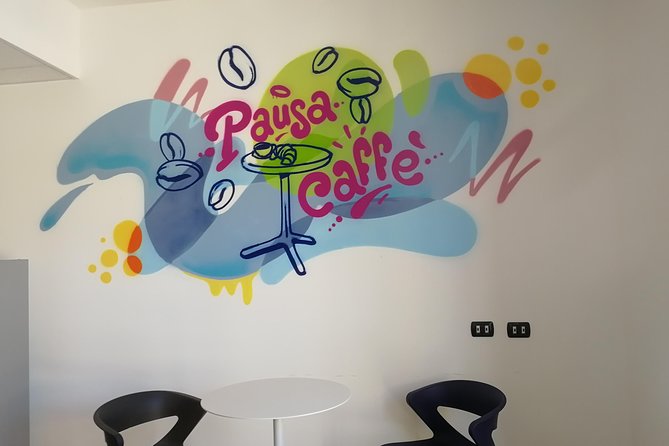
Your meeting point is Scuola Leonardo da Vinci Milano, Corso di Porta Vigentina, 35, 20122 Milano MI, Italy. Your activity ends back at the meeting point, which is a quiet but useful detail. You won’t have to solve daily pickup logistics or plan a complicated commute from a far-off corner of town.
The course location is described as near public transportation. You’ll likely appreciate that on an intensive schedule: when you’re moving daily, transit access becomes part of the learning process. It helps you show up on time and keep your evenings for practice, not for scrambling to get across town.
One review also connects the school’s area to Porta Romana, calling it a safe neighborhood. I can’t promise that’s your experience, but it’s a good hint that you’re not stuck in a hard-to-navigate location.
Small classes (max 14) and mixed levels that keep you progressing
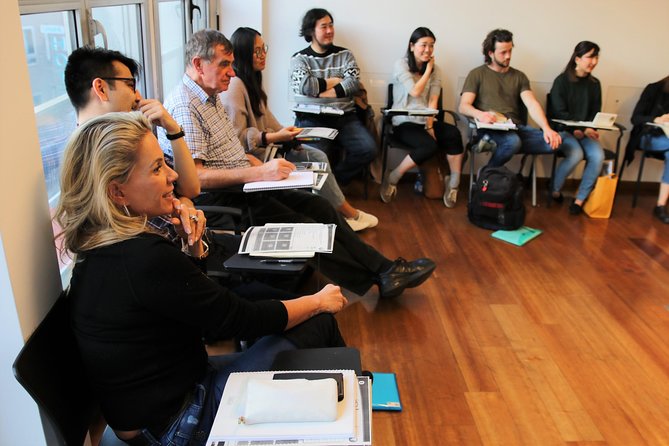
The school limits classes to up to 14 students. That’s not just a comfort detail—it directly affects learning quality. Smaller groups usually mean more speaking time, more correction, and fewer moments where you’re passively watching someone else do the work.
You also get a mix of nationalities and ages, which changes the class dynamic in a helpful way. Different learners notice different grammar problems. Different people bring different motivation. When that variety works well, the whole class becomes more active, because everyone has something to contribute.
The program also supports multiple levels, including A1, A2, B1, and beyond. That’s important for value: you shouldn’t feel “stuck” in a class that moves too slowly, or lost in a class that moves too fast. The school is also described as offering different learning intensities and letting you adjust your schedule based on your needs, which is a big plus if your starting level isn’t clear until you test it in real time.
One possible downside: because classes are Italian-only, the first days can feel like a language fire drill. If you’re brand new, you’ll rely on teacher pacing and class interaction, not English translations. Expect a learning curve in week one.
Italian-only teaching: tough love that actually builds fluency
This is one of the strongest parts of the experience. The course is held only in Italian, and from the first day you speak Italian in class. That design choice is what turns a language course into a speaking course.
Why it works: you stop using English as a crutch and start training your brain to respond directly. Even when you feel imperfect, you’re still practicing real communication. And teachers using a mix of contemporary materials can help you build understanding that matches everyday Italian, not only textbook Italian.
In the reviews, students repeatedly mention teachers who are engaging and kind, including instructors with advanced expertise in linguistics. The common theme is that instructors don’t just teach—they respond to questions, encourage participation, and make time for individuals. That’s a big deal in an Italian-only setting, because your progress depends on feedback.
If you’re worried you won’t understand: you probably will understand more than you expect by day three. The trick is to keep showing up, asking questions when you can, and repeating the language your teacher models.





Textbooks included, plus extra materials that keep lessons current
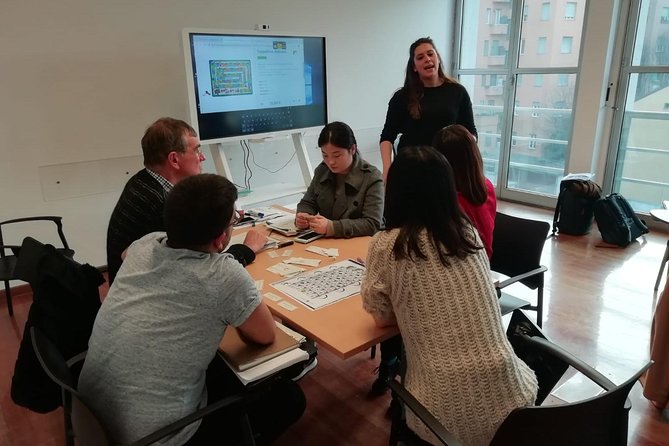
One practical win: textbooks are provided by the school and included in the course price. That reduces one of the most annoying hidden costs of language learning.
Beyond the books, teachers use additional support materials to give you practice across different forms of communication. The goal is to strengthen your ability to respond, not just memorize. You’ll likely work with speaking tasks and listening practice in ways that feel connected to modern usage.
This matters for anyone learning for real-life reasons—travel, work, or plans to live in Italy. If your course only focuses on grammar drills, you’ll feel “correct” but struggle in conversation. Here, the approach is aimed at improving your communication skills through multiple channels of practice.
Cultural activities that make your Italian stick
A language course is only half the job. The other half is using what you learned when the lesson ends. This school builds that in.
You can expect cultural activities during the week and on weekends. These aren’t just sightseeing add-ons; they’re opportunities to practice speaking and listening in real settings, with a group dynamic that makes it easier to talk.
Based on student experiences, the cultural side can include things like wine tastings and city or museum tours. Those kinds of activities help you reuse vocabulary in context—ordering, describing, asking questions, and following conversations at normal speed.
If you’re into creative learning, one review also mentions an art program arranged by the school, taught by Silvia in her art studio. The teaching style sounds modern and practice-based, focused on technique and experimentation. That’s not guaranteed for every booking, but it’s a strong sign that the school can offer more than language classes when you stay longer.
Small warning: if you’re exhausted after 4 lessons a day, the cultural activities can feel like a bonus you didn’t ask for. I’d treat them as optional practice. Even one weekend outing can give you more speaking momentum than another day of passive studying.
Price and value: is $365.63 fair for 5 days?
The listed price is $365.63 per person for the intensive course (5 days approx.). To judge value, I look at what’s actually included and how much teaching you get.
Here’s the honest math you can use:
- The intensive format is 4 lessons per day, Monday to Friday
- Over a 5-day week, that typically lines up with about 20 lessons
You’re also getting textbooks included, plus an environment designed for interaction with a small group. On top of that, you’re paying for more than class time: cultural activities are part of the weekly rhythm, and the school offers practical support for navigating Milan and handling certain real-life steps like SIM cards and residency-related processes.
Now, the trade-off: because instruction is Italian-only, you’re signing up for effort. You don’t get English explanations. If you’re willing to work, the cost starts to feel reasonable for the structure and support you receive.
If you want a bargain, the program suggests longer stays can cost less per week starting from the 5-week course. So if Italian is a real goal, you might get even better value by stretching beyond the first week.
Practical support: beyond vocabulary and verbs
A lot of language schools teach the language and stop there. This one is described as helping with real logistics.
In reviews, students mention support for:
- getting a SIM card
- navigating Milan
- assistance related to residency permits
- help with credentialing exams
That’s not just convenience. It reduces stress, and stress makes speaking harder. When you don’t have to solve paperwork alone—or guess where to go for basic setup—you can focus on using your Italian to handle daily life.
The school also communicates that confirmation is received at booking time, and the experience uses a mobile ticket. Those details matter because they reduce uncertainty right when you’re planning arrival and daily routine.
Who this course fits best
You’ll likely love this course if you:
- want fast progress through an intensive weekday schedule
- enjoy small-group learning and speaking practice
- are okay with Italian-only teaching and learning through interaction
- want language plus culture, not just classroom time
It may be less ideal if you:
- need heavy English support to understand concepts
- want a slow, beginner-friendly pace with lots of translation
- aren’t ready for the daily commitment that comes with 4 lessons a day
If your goal is to use Italian for travel, work, or a longer move, this setup makes sense. One student even describes it as part of a path toward living and working in Italy, which lines up with the school’s focus on real communication and practical support.
Should you book this intensive Italian course in Milan?
If you want a structured, high-activity way to learn Italian in a real city setting, I’d seriously consider booking. The mix of Italian-only instruction, small classes, and built-in cultural speaking practice is exactly what helps language learning feel useful instead of theoretical.
I’d book especially if you’re comfortable with effort and you’re okay with the first days feeling harder than you expect. If you’re new and anxious, plan to lean on your teacher, repeat what you hear, and show up ready to speak—even with mistakes.
Final thought: $365.63 for 5 days can be a good value when textbooks and real classroom interaction are part of the package, and when the school supports you with more than just grammar. Just go in knowing the course is in Italian, and you’ll get what you came for.
FAQ
How long is the intensive Italian course in Milan?
The experience is listed as 5 days (approx.), and the intensive course follows a Monday to Friday schedule.
What does the intensive format include each day?
The intensive course includes 4 lessons per day from Monday to Friday.
How many students are in each class?
Classes have a maximum of 14 students, to allow interaction between students and the teacher.
Is the course taught in English or Italian?
The course is held only in Italian, and from the first day of class you speak only Italian.
Are textbooks included in the price?
Yes. The school provides textbooks and includes them in the course price.
Where is the meeting point?
Start at Scuola Leonardo da Vinci Milano, Corso di Porta Vigentina, 35, 20122 Milano MI, Italy. The activity ends back at the meeting point.
What is the course price?
The price is listed as $365.63 per person.
What languages are available for the experience?
The experience is offered in English, while the classes themselves are held only in Italian.
What levels does the school offer?
The school offers multiple levels, including A1, A2, B1, and others.
Can I stay longer than 5 days?
Yes. You can book from 1 to 48 weeks, and the program states that longer stays can save money starting from the 5-week course.
What is the cancellation policy?
This experience is non-refundable and cannot be changed for any reason.