REVIEW · VARENNA
Varenna: Pasta & Tiramisu Cooking Class at a Local’s Home
Book on GetYourGuide →Operated by Cesarine · Bookable on GetYourGuide
Fresh pasta starts in someone else’s kitchen. I love the chance to roll sfoglia by hand and the laid-back aperitivo moment with prosecco before the cooking gets serious. One thing to plan for: this happens in a private home, so you get the full address after booking and the location may be in Varenna or Bellano.
This is run through Cesarine, the home-cook network that opens real family kitchens to small groups (limited to 6). In this Varenna–Bellano area, hosts like Patrizia and Luca show up again and again in the stories, and their classes tend to feel like you’re invited in, not processed through.
In This Review
- Key Highlights In Plain Terms
- Why This Varenna Home Cooking Class Feels More Local
- The 3-Hour Flow: Aperitivo, Fresh Pasta, and Tiramisu
- Starting With the Aperitivo: Prosecco and Nibbles That Actually Matter
- Rolling Sfoglia by Hand: The Skill You’ll Remember
- Two Pasta Types From Scratch: Learning the Shape Logic
- Tiramisu in a Local Kitchen: The Dessert Part That’s Actually Craft
- What You’ll Eat and Drink During the Class
- Location in Varenna or Bellano: Getting There Without Stress
- Price and Value: Is $152.93 Worth It?
- Who Should Book This Class (and Who Might Skip It)
- Should You Book This Pasta and Tiramisu Class?
- FAQ
- How long is the pasta and tiramisu cooking class?
- How many people are in the group?
- Where does the class take place?
- What will I learn to make?
- Is there an aperitivo included?
- What drinks are included during the class?
- What language is the instructor?
- Do I get to taste what I make?
- Is there free cancellation?
- Is the class wheelchair accessible?
- Can I reserve now and pay later?
Key Highlights In Plain Terms
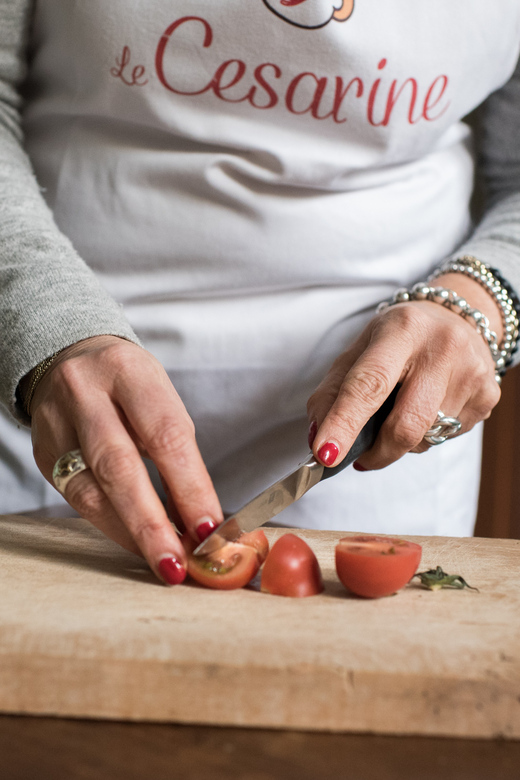
- Hand-rolled sfoglia: you practice the dough technique, not just watch it.
- Two pasta recipes from scratch: you learn how to make and shape two classic options.
- Tiramisu, done the proper way: you build the dessert as part of the same 3-hour flow.
- Italian aperitivo first: prosecco plus nibbles to start you off right.
- Small group energy: limited to 6, so you can ask questions and get help while you work.
- Lake Como setting (often): several classes happen in homes with outdoor views over the lake.
Why This Varenna Home Cooking Class Feels More Local
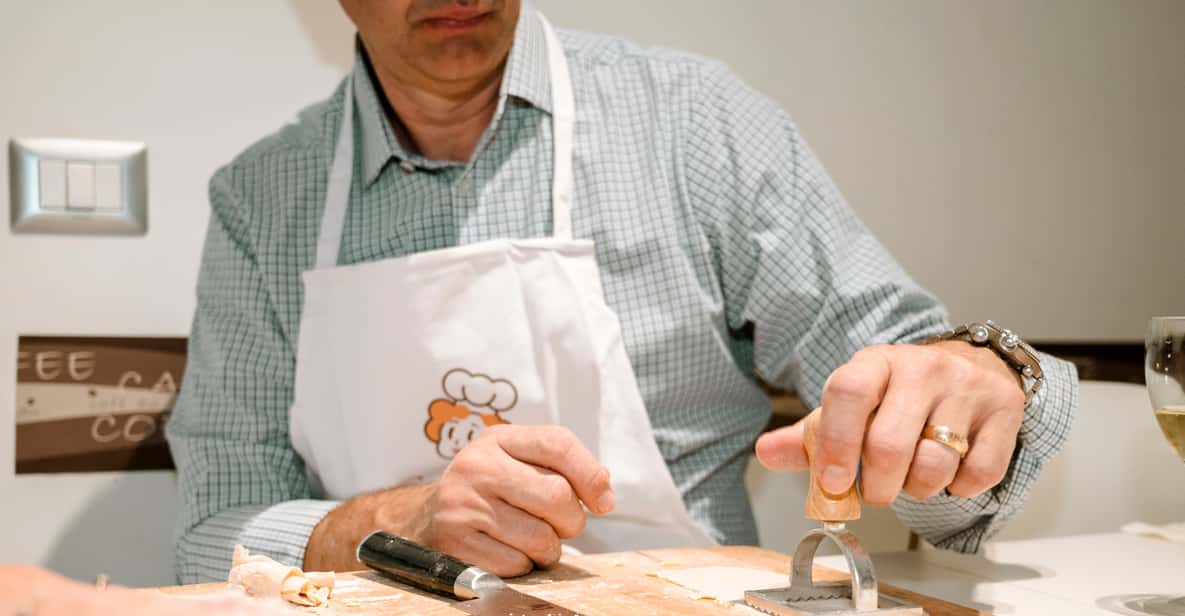
If you’ve ever eaten pasta in Italy and thought, I want to understand how this dough behaves, this class is built for that exact feeling. You’re not aiming for restaurant flash. You’re learning how Italians make the backbone of their food: fresh egg pasta, shaped with your hands, then cooked and tasted in the same evening-style rhythm.
Two things make this experience especially worth your time. First, you roll the dough yourself. That’s where the real education happens—learning how to get it thin without tearing it, and how the texture changes as you go. Second, the whole meal starts with a proper Italian warm-up: an aperitivo with prosecco and nibbles, served in a home setting rather than a loud public venue.
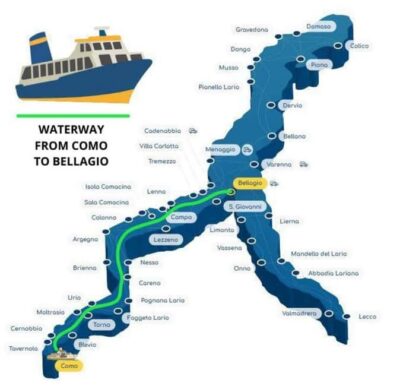
The main tradeoff is practical. Since it’s a private home, you’re dealing with real-world logistics: you get the address after booking, and the host location can be in either Varenna or nearby Bellano (about an 8-minute taxi ride). If you want zero hassle and fixed, public meeting points, this isn’t that kind of experience.
You can also read our reviews of more cooking classes in Varenna
The 3-Hour Flow: Aperitivo, Fresh Pasta, and Tiramisu
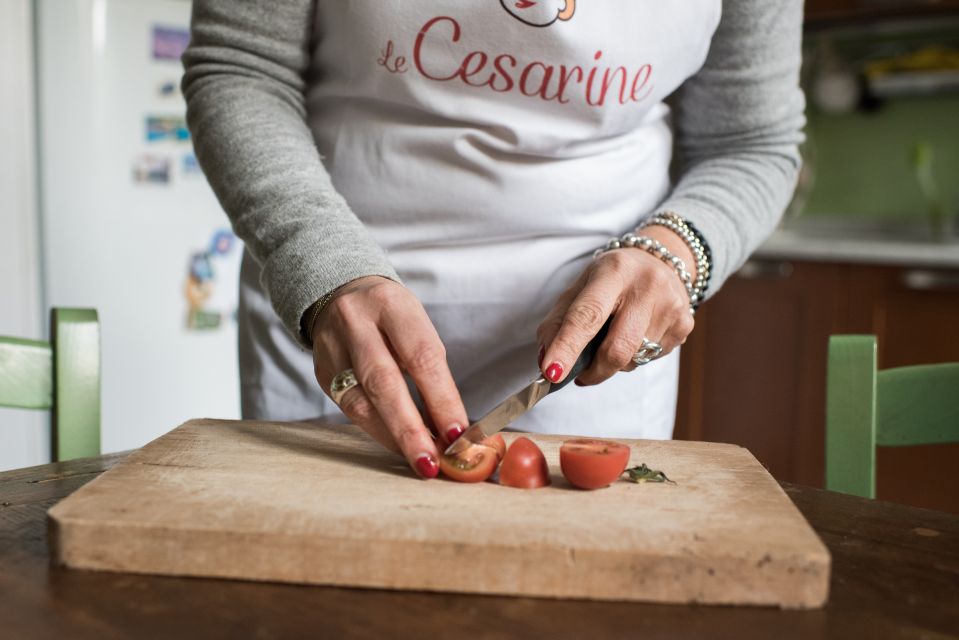
The class runs about 3 hours. While you shouldn’t expect a clockwork minute-by-minute schedule, the sequence is very clear:
You start with an Italian aperitivo: prosecco and nibbles. This isn’t just a drink stop. It’s the social bridge that helps you settle in, meet the other participants, and get comfortable asking questions before your hands are coated in flour.
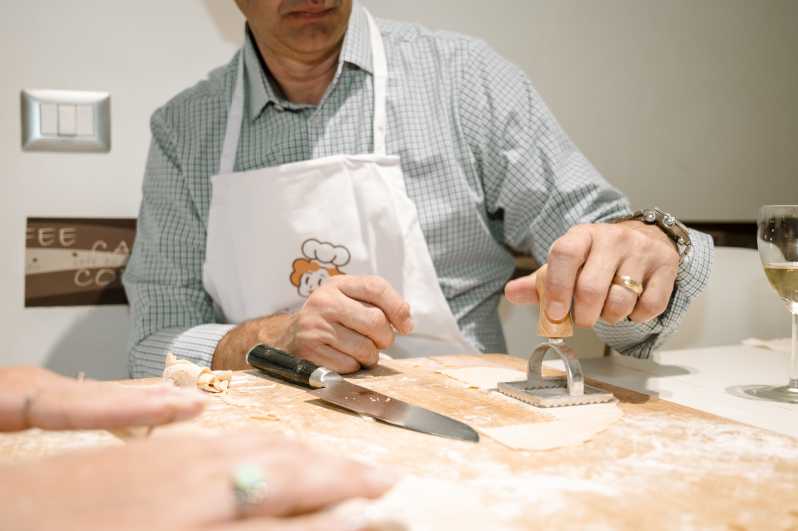
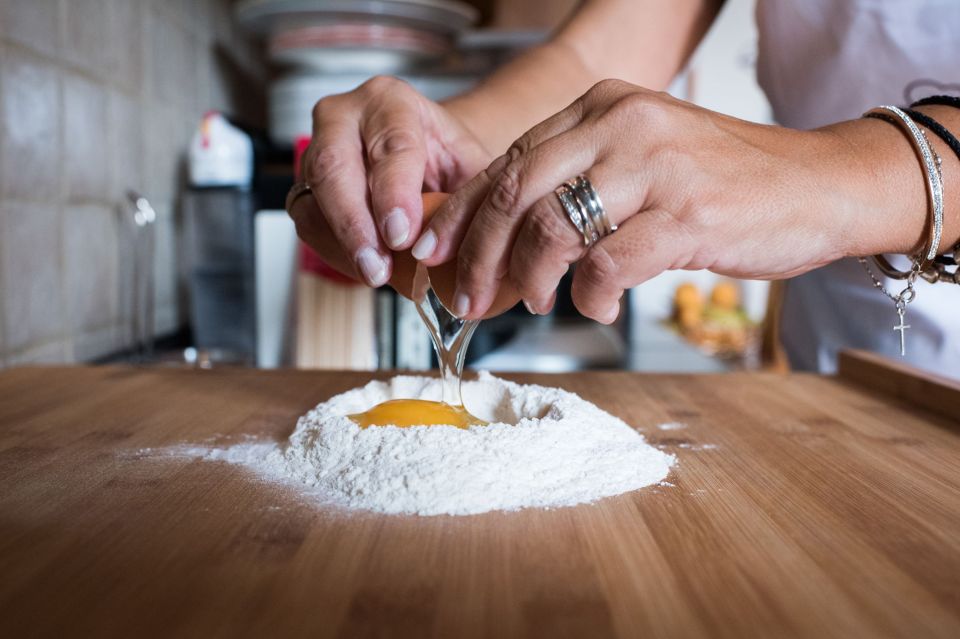
Then you move into pasta making. The core of the lesson is rolling sfoglia by hand, so you learn the dough technique directly. After that, you prepare two iconic pasta types from scratch. The teaching focus is practical: how the dough is handled, how each shape works, and what to watch for while you’re working.
Finally, you make tiramisu. This is a great end point because the dessert is hands-on but less frantic than pasta shaping. When it’s done, you taste what you made—both pasta recipes and the tiramisu—plus you’ll have beverages along the way (water, wines, and coffee).
Small group format matters here. With a limit of 6 people, you’re less likely to feel like you’re standing around. You can work at your own pace while the instructor keeps an eye on what your hands are doing.
Starting With the Aperitivo: Prosecco and Nibbles That Actually Matter
In a lot of food tours, the first drink feels like an afterthought. Here, it sets the tone. Aperitivo culture is about slowing down. You get a glass of prosecco and nibbles to warm up, then you shift from guest mode into cook mode.
This matters for two reasons. One, you’re going to be concentrating once the dough and shaping start. Two, you’re likely to be in a conversation with other guests and the home cook, and that makes the learning feel more natural. Several class stories highlight the friendly, welcoming vibe of hosts like Patrizia and Luca, where questions about technique aren’t treated like interruptions.
You’ll also drink more than just prosecco. The class includes beverages such as wines and coffee, so the whole experience feels like a real Italian evening rather than a short demo followed by leaving.
Rolling Sfoglia by Hand: The Skill You’ll Remember
Rolling fresh pasta dough is one of those tasks that sounds simple until you try it. The “by hand” part is the key. You’re not just cutting or shaping. You’re learning how to transform dough into a workable sheet.
Here’s what this skill gives you as a home cook back in your own kitchen:
- You understand how thin is thin enough.
- You learn to watch the dough as it changes under your hands.
- You get comfortable working with flour and resting dough as needed.
And because the class is in a local home, the pace feels human. Hosts are described as patient and encouraging, even when you ask basic questions. In one story, a host even offered warm slippers, which sounds small, but it fits the overall idea: you’re meant to feel relaxed in the space.
The lesson also helps you understand why Italian pasta tastes different even before it hits the water. Fresh dough has a different flavor and texture than dried pasta, and rolling is where you earn that result.
Two Pasta Types From Scratch: Learning the Shape Logic
The class teaches you two iconic pasta types. The exact menus can vary, but the emphasis is consistent: start from dough, build the filling or sauce base where needed, then shape and cook.
In real-life examples from the area, recipes such as Tortelloni with ricotta stuffing and Tagliatelle show up in class descriptions. If you get those, you’ll see two different ways Italy treats dough.
- Tagliatelle teaches you how to handle sheets and cut with confidence, then cook so the strands stay tender.
- Tortelloni (with a ricotta filling) teaches you how to portion, seal, and keep the filling intact without tearing the dough.
What I like about learning two pasta types instead of just one is that you compare techniques. You see how a change in shaping changes the eating experience. And because the group is small, you can get feedback while you’re still in the learning stage.
You should expect the class to be hands-on from start to finish. You won’t just taste pasta prepared by someone else. You’ll participate in making it, which is the difference between a foodie souvenir and a real skill.



Tiramisu in a Local Kitchen: The Dessert Part That’s Actually Craft
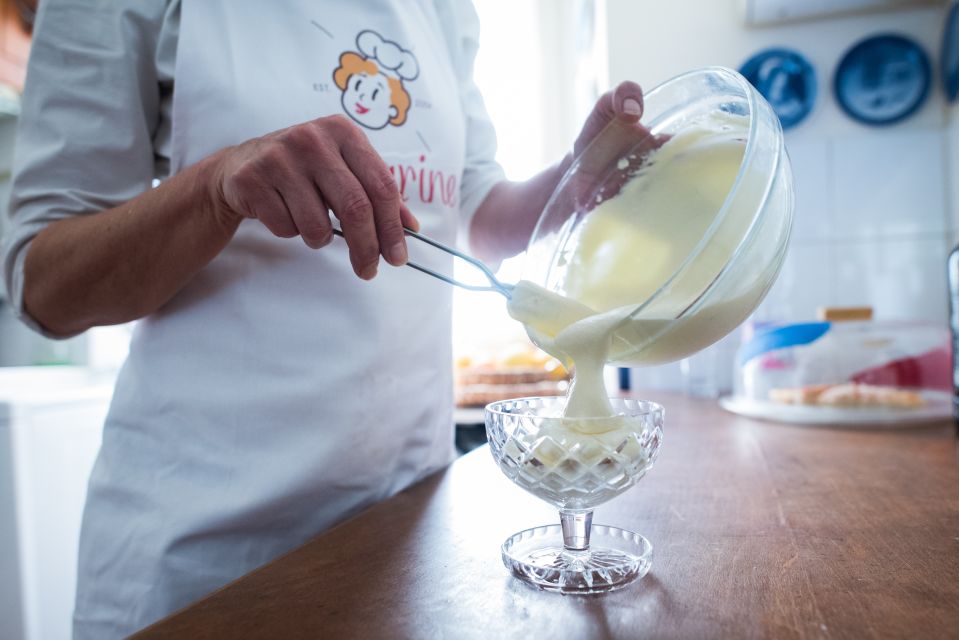
Tiramisu often gets treated like a simple assembly task. In this class, it’s taught as part of the process, not a rushed checklist. After the pasta work, you’ll switch gears and build the dessert so it sets properly and tastes right.
Why this is a smart add-on to the pasta lesson: tiramisu is an Italian classic that’s easy to reproduce at home compared with some complex regional dishes. If you want one thing you can remake later without hauling special equipment around, tiramisu is a great target.
Also, the timing works well. Since the class includes tasting of both pasta recipes and the tiramisu, you’re eating what you made while everything still feels fresh and “new.”
If you’re the type who likes to understand food beyond flavor—textures, structure, and why steps matter—this part delivers.
What You’ll Eat and Drink During the Class
Your included food and drink package is one of the better value parts of this experience. You get:
- Italian aperitivo: prosecco and nibbles
- Beverages including water, wines, and coffee
- The pasta-making class plus tasting of both pasta recipes
- Tiramisu-making class and tasting
This turns the experience into more than a cooking workshop. It’s closer to a full host-led meal, with learning built into it.
And because you’re in a home rather than a commercial kitchen, the food tends to feel seasonal and personal. Some home cooks are described as using locally sourced and farm-fresh ingredients, which is exactly what you want when you’re trying to taste Lombardy and Lake Como through everyday cooking.
Location in Varenna or Bellano: Getting There Without Stress
Most important logistics: the full address is not shared until after you book. For privacy, you get it later, and that means you should plan to coordinate your arrival.
Location can be in Varenna or Bellano, with Bellano about an 8-minute taxi ride. That matters if you’re staying in one town and assuming you’ll be walking to the meeting point. You shouldn’t count on it being a walk-up stop.
A common practical note from real-class accounts: these homes can be reached by car and the drive can involve steep hills around Varenna and Bellano. If you’re renting a car, build in time and use your directions carefully. One helpful approach is to make sure your GPS drops you onto the exact location provided after booking, not just a nearby guess.
Also note the class is not suitable for wheelchair users. This is a real-home setting, and you’ll be moving in and out of spaces that aren’t designed for accessibility equipment.
Price and Value: Is $152.93 Worth It?
At $152.93 per person, this is not a bargain class. You’re paying for three things that add up quickly:
- A private-home, small-group teaching setup (max 6), which includes instructor attention.
- Ingredient work plus tastings: you make two pastas and tiramisu and then eat them.
- Included drinks: water, wines, coffee, plus prosecco and nibbles at aperitivo time.
Compared with paying separately for a cooking workshop plus a dinner, the value often looks better—especially here, where the location and host-led hospitality are part of the product. If you’re in Lake Como for a short stretch and you want one activity that gives you a skill and a meal, this type of class can be a smart use of time.
If you’re only looking for a quick photo opportunity or a hands-off tour, then the price can feel steep. But if you want to leave with technique in your head and a dessert plan for home, it’s easier to justify.
Who Should Book This Class (and Who Might Skip It)
This class is a strong match for:
- You want a hands-on food experience in a real home kitchen.
- You like Italian classics and want to learn how they’re built.
- You’re traveling with a friend or partner and want conversation time in a small group.
- You enjoy asking questions while you cook, not after the fact.
It might be less ideal if:
- You need step-free, wheelchair-friendly access (the class isn’t suitable for wheelchair users).
- You prefer fixed, public meeting points with full address details up front.
- You want a purely sightseeing-driven afternoon with minimal time in one location.
Still, even if you’re not a confident cook, this is the kind of class where patience from the host is part of the experience. Several class stories mention hosts being especially welcoming and supportive, including helping with questions while you work.
Should You Book This Pasta and Tiramisu Class?
I think you should book it if you want one memorable Lake Como activity that’s both practical and genuinely Italian. The strongest reason is the combination: hand-rolled sfoglia, two pasta recipes, and tiramisu all taught in about three hours, followed by tasting and included drinks.
Before you hit reserve, check these things:
- Confirm how you’ll get to the home if it’s in Varenna or Bellano.
- Plan to be hands-on and willing to get flour on your sleeves.
- If you’re sensitive to mobility limits, skip it since it’s not designed for wheelchair users.
If those points work for you, this is the kind of experience that sticks. You’ll eat what you made, learn technique you can repeat, and spend time in a real kitchen with a host who treats the class like a visit rather than a transaction.
FAQ
How long is the pasta and tiramisu cooking class?
The class runs for 3 hours.
How many people are in the group?
It’s a small group limited to 6 participants.
Where does the class take place?
The experience is held in a Cesarine host’s home. The location may be in Varenna or in Bellano (about an 8-minute taxi ride). The full address is shared after booking for privacy.
What will I learn to make?
You’ll learn to roll sfoglia (fresh pasta) by hand, prepare 2 iconic pasta types from scratch, and make tiramisu.
Is there an aperitivo included?
Yes. You’ll have an Italian aperitivo with prosecco and nibbles.
What drinks are included during the class?
Included beverages are water, wines, and coffee, along with the prosecco and nibbles aperitivo.
What language is the instructor?
The instructor speaks Italian and English.
Do I get to taste what I make?
Yes. The experience includes tasting of the 2 pasta recipes and the tiramisu.
Is there free cancellation?
Yes. You can cancel up to 24 hours in advance for a full refund.
Is the class wheelchair accessible?
No. It is not suitable for wheelchair users.
Can I reserve now and pay later?
Yes. You can reserve now and pay later, keeping your travel plans flexible.